See on Scoop.it – Blogging For Business

Engaging a small group of dedicated fans, “the superfans” is key to getting other fans active. Study from Napkin Labs tracked 52 brand pages over 8 weeks.
See on www.clickz.com
See on Scoop.it – Blogging For Business
Engaging a small group of dedicated fans, “the superfans” is key to getting other fans active. Study from Napkin Labs tracked 52 brand pages over 8 weeks.
See on www.clickz.com
See on Scoop.it – Health Care Social Media Monitor
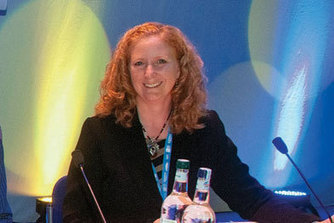
Some of the best known GPs on Twitter took part in a lively debate on the use of social media by doctors, at the RCGP‘s annual conference in Glasgow. Sharon Alcock, who chaired the discussion, highlights the key points.
See on www.gponline.com
See on Scoop.it – Health Care Social Media Monitor
A survey of more than 350 health activists on which pharmaceutical companies have used social media to engage patients earned pharmaceutical companies mixed reviews with some encouraged by the effort Big Pharma companies such as Sanofi (NYSE:SFY) …
See on medcitynews.com
See on Scoop.it – Health Care Social Media Monitor
See on electronichealthreporter.com
See on Scoop.it – Health Care Social Media Monitor
See on medcitynews.com
See on Scoop.it – Health Care Social Media Monitor
Whether you are interested in an infographic cheat sheet on healthcare social media or curious about the latest lawsuit regarding a negative physician review to…
See on mdwebpro.com
See on Scoop.it – Health Care Social Media Monitor
Social media has become mainstream in healthcare. The most successful healthcare institutions use social media as a means to an end for existing goals — not as a collection of tools. Here are 5 best practices:
See on axialexchange.com
At the end of the 19th century, French artists were hired by a toy or cigarette manufacturer to create a series of postcards which would feature the future. Most of the postcards described ordinary processes and activities, but not medicine or healthcare. There might be only one example when they tried to predict the use of a microscope and the work of microbiologists:

This series of interesting postcards show how hard predicting the future of medicine is. As we must walk on the path of evidence based medicine, it’s a real challenge to predict the next technologies and solutions in healthcare. One thing is clear though: the real medical instrument will be the same, proper communication.
Robots replacing doctors?
I’ve given hundreds of presentations and I teach at several universities about the use of social media in everyday medicine and I always highlight the importance of 1) doctor-patient relationship…
View original post 655 more words
Well worth a read if you missed it. Clearly Facebook need to react to all the “my click through rates arent good” stuff, but to be honest I know someone who uses Facebook (major international brand) for quick reach and scale, so this seems to align. Article is from Inside Facebook written by Brittany Darwell
Clicks aren’t the right metric for brand advertisers, Facebook Head of Measurement and Insights Brad Smallwood told the audience at the IAB MIXX Conference in New York today.
Smallwood shared results from recent campaign studies that indicated impressions, reach and frequency were more valuable than clicks. Specifically, 99 percent of sales came from users who saw an ad but did not interact with it. Campaigns that optimized for reach were 70 percent more effective at driving ROI, and campaigns that optimized for frequency had a 40 percent increase in ROI.
Smallwood began by outlining the history…
View original post 400 more words
Fellow genomic blogger, Jonathan Eisen, created a great video that describes what open access publishing is about. I’ve always tried to publish in open access journals.