Amidst the constant barrage of information, content creators face a daunting challenge: How can they capture and hold their audience’s attention in today’s digital landscape?
The renowned marketer, Seth Godin offers a compelling answer:
Content [should] aim to start a conversation or give your audience something to discuss.
In essence, he advocates for content that goes beyond mere dissemination of information; rather, content should spark dialogue, ignite curiosity, and invite participation.
In healthcare marketing, this philosophy translates into creating content that goes beyond the clinical facts—it sparks dialogue, kindles curiosity, and invites active participation from patients and caregivers alike. In a noisy digital environment, where broadcasting messages can feel impersonal, healthcare marketers must strive to engage their audience in meaningful conversations.
The Impact of Conversational Content
Conversational content in healthcare takes various forms, ranging from insightful articles and interactive social media posts to engaging multimedia experiences. The goal is to resonate deeply with the audience by addressing their concerns, values, and aspirations directly. By doing so, healthcare providers can establish a personal connection that fosters trust and loyalty.
One of the most powerful outcomes of conversational content is its ability to cultivate community. By encouraging dialogue and inviting feedback, healthcare marketers can create a sense of belonging among patients and caregivers. Whether through interactive online forums, live Q&A sessions, or patient testimonials, these interactions strengthen relationships and enhance the overall patient experience.
Driving Engagement and Empowerment
Beyond fostering community, conversational content enhances patient engagement by empowering individuals to take an active role in their healthcare journey. Content that solicits feedback, encourages questions, and provides personalized insights not only educates but also motivates patients to make informed decisions. This approach promotes adherence to treatment plans, encourages healthy behaviors, and ultimately improves health outcomes.
Practical Applications in Healthcare Marketing
Implementing conversational content in healthcare marketing begins with understanding the audience—knowing their preferences, concerns, and communication preferences. From there, healthcare providers can tailor their content strategy to resonate effectively with patients and caregivers alike. Whether through interactive health quizzes, informative blog posts, or social media campaigns that encourage dialogue, each initiative should aim to nurture meaningful connections and inspire positive actions.
Challenges and Best Practices
While leveraging conversational content, healthcare marketers should remain mindful of common pitfalls. These include overlooking audience preferences, maintaining an appropriate tone, and ensuring consistency across platforms. By actively listening to feedback, refining content strategies, and staying attuned to industry trends, healthcare organizations can continuously improve their engagement efforts and foster a culture of open communication.
As a conclusion, Seth Godin’s insight reminds me of the power of conversation even when that conversation is mediated by a digital screen. The more we create content that sparks dialogue and invites participation, the stronger the connections, the deeper the engagement, and the more we can inspire positive change. By creating content that sparks dialogue and invites participation, we can build stronger connections, drive deeper engagement, and inspire positive change.
In Search Engine Optimisation (SEO) keywords play an important role in attracting organic traffic. Organic traffic is traffic that comes from unpaid search results. You can, however, undermine your efforts if you make mistakes when choosing keywords.
Let’s explore some common keyword mistakes and how to avoid them.
1. Ignoring Search Intent
A healthcare SEO strategy must understand search intent, also known as user intent. The intent of a search query refers to the purpose behind it, whether it’s such as informational (e.g., symptoms of a disease), transactional (e.g., booking an appointment), or navigational (e.g., finding a hospital’s website).
Actionable Tip: Create content that directly addresses the identified intents. For example, informational content should provide comprehensive insights into medical conditions or treatment options, while transactional content should facilitate easy appointment scheduling or service inquiries.
2. Overstuffing Keywords
Keyword stuffing is a dated and potentially harmful practice. Modern search engines are skilled at detecting unnatural keyword usage, which may result in penalties. Search engines prioritize content that is high-quality, relevant, and meets the needs of users. Instead of obsessing over keyword placement, concentrate on providing comprehensive information, answering common healthcare questions, and addressing patient concerns.
Actionable Tip: Use tools like Google’s related searches or Thesaurus.com to identify synonyms and related terms relevant to your primary keywords. Incorporate these synonyms naturally throughout your content to expand your keyword reach without sacrificing readability. Monitor the performance of these variations to see which terms resonate best with your audience and adjust your content strategy accordingly.
3. Overlooking Long-Tail Keywords
Long-tail keywords cater to users who are further along in their decision-making process. For instance, someone searching for “best pediatric dentist in [your city]” is likely more ready to book an appointment compared to someone searching for just “dentist”. Long-tail keywords often reflect specific patient needs or concerns. By incorporating these keywords into your content strategy, you demonstrate relevance to potential patients who are actively seeking detailed information or specific healthcare services. Because long-tail keywords are more specific, they typically face less competition in search engine results pages (SERPs). This means healthcare providers have a better chance of ranking higher for these targeted queries.
Actionable Tip: Use keyword research tools to identify long-tail keywords relevant to your specialty or services. Look for terms that patients are likely to use when searching for specific healthcare solutions.
4. Failing to Update Keywords
SEO is not a set-it-and-forget-it strategy. User search behaviors and trends change over time. What patients search for today might differ from their queries six months ago. Staying updated with these trends ensures that your content remains relevant and visible. As your healthcare practice grows and evolves, so should your content. Updating keywords allows you to align your content with the latest treatments, services, and patient needs you offer.
Actionable Tip: Set a schedule for regular keyword research and updates, such as quarterly or bi-annually, to ensure your SEO strategy stays aligned with the latest trends and user behaviors.
5. Ignoring Local SEO
For healthcare providers, local SEO is a critical component of a successful digital marketing strategy. Many patients search for healthcare providers using location-based queries such as “dentist near me” or “pediatrician in [your city].” Ensuring your practice appears in these local searches is essential for attracting nearby patients. Optimizing for local SEO can directly drive more patients to your physical location. When potential patients find your practice easily through local search results, they are more likely to visit in person.
Actionable Tip: Claim and optimize your Google My Business profile. Complete all the fields, including business hours, services, photos, and patient reviews. Regularly update your profile to reflect any changes or new services.
6. Not Tracking Website Analytics
Ignoring website analytics is a common pitfall, but without analysing the performance of your keywords, it’s impossible to know what’s working and what’s not. By analyzing analytics data, you can identify which keywords are driving the most traffic to your website. High search volumes for specific keywords indicate potential visibility and demand among your target audience. Analytics also provide insights into user behavior on your website. You can see which pages users visit most frequently, how long they stay on each page, and where they drop off. This information helps you optimize your website for better user engagement and conversion.
Actionable Tip: Ensure Google Analytics is properly set up on your website to track key metrics. Familiarize yourself with the dashboard and reports available.
7. Ignoring Competitor Analysis
Competitor analysis is a crucial aspect of developing a robust healthcare SEO strategy. By identifying and analyzing competitors within your niche, you can gain valuable insights into their keyword strategies, content performance, and overall SEO tactics. This knowledge not only helps you understand your competitive landscape but also enables you to identify opportunities to improve your own SEO efforts.
Actionable Tip: Analyzing competitors’ content helps you identify gaps in your own content strategy. Look for topics or keywords that your competitors are ranking for but you are not. Addressing these gaps allows you to capture additional search traffic and enhance your online visibility.
Effective keyword optimization is fundamental to successful healthcare SEO. By implementing the strategies discussed in this article, you can significantly boost your website’s visibility, attract organic traffic, and ultimately achieve your healthcare practice’s goals. Understanding and targeting the right keywords tailored to patient needs and search intents ensures that your content resonates effectively, driving engagement and conversions. Stay proactive with keyword research, regularly update your strategy based on analytics insights, and leverage competitor analysis to stay ahead in the competitive healthcare landscape. By prioritizing these steps, you can establish a strong online presence, reach more patients, and foster meaningful connections within your community.
Digital marketing in healthcare is dominated by content. But it’s not just about churning out content and hoping for the best. Measuring your content marketing’s impact requires keeping an eye on the right metrics. With tons of data available, it’s key to zero in on the metrics that genuinely count.
Here are the essential metrics healthcare marketers should focus on.
EngagementMetrics
Comments and Shares: Measureshow much your content resonates with patients. High engagement often indicates valuable and relatable content.
Time on Page: Represents the average duration a user spends on a single page before navigating away. If users spend a significant amount of time on a page, it suggests that the content is engaging, relevant, or informative.
Conversion Rates
Appointment Bookings: Monitor how many visitors book appointments after consuming your content.
Form Submissions: Track the number of completed forms for consultations or further information.
Patient Acquisition Cost (PAC)
Cost per Acquisition: Calculate the cost of acquiring a new patient through your content marketing efforts. Lower PAC indicates more efficient marketing.
Content Reach and Impressions
Unique Visitors: Gauge how many unique individuals are exposed to your content, helping to understand your reach.
Impressions: Measure the number of times your content is displayed, which helps assess visibility.
SEO Performance
Organic Traffic: Track the number of visitors who find your content through search engines, indicating your SEO success.
Keyword Rankings: Monitor your ranking for targeted keywords to ensure your content remains discoverable.
Patient Retention
Repeat Visits: Measure how often patients return to your content, indicating ongoing engagement and loyalty.
Content Subscription: Track subscriptions to newsletters or updates to gauge continued interest.
Brand Awareness
Social Media Mentions: Monitor how often your healthcare brand is mentioned across social media platforms.
Backlinks: Count the number of external sites linking to your content, which boosts your credibility and visibility.
Patient Feedback
Surveys and Reviews: Collect and analyze feedback from patients regarding your content to understand its effectiveness and areas for improvement.
By focusing on these key metrics, healthcare marketers can ensure their content marketing efforts are not only reaching the right audience but also driving meaningful engagement and results
As we dive into the second quarter of 2024, the landscape of social media marketing continues to evolve at a rapid pace. With new platforms emerging, algorithms shifting, and consumer behaviours adapting, staying ahead of digital marketing requires a dynamic approach. In this guide, we’ll explore the latest trends, strategies, and tools essential for excelling in social media marketing in 2024.
1. Video-First Content
Video content continues to dominate social media. Its popularity can be attributed to its unparalleled ability to captivate audiences, convey complex messages succinctly, and evoke emotions in a way that static content often falls short.
Creating engaging videos involves a multi-faceted approach. Begin by understanding your target audience and tailoring your content to resonate with their interests, preferences, and behaviours. This might involve storytelling techniques that draw viewers into a narrative, or incorporating elements of humour, emotion, or surprise to establish a memorable connection.
Tools to Use
— Adobe Premiere Rush: An all-in-one, cross-device video editing app by Adobe designed for simple editing and sharing.
— iMovie: Apple’s user-friendly video editing software for macOS and iOS, offering basic to intermediate editing capabilities.
— Filmora: A versatile and easy-to-use video editing software with a range of creative features and effects.
— InShot: A mobile app for quick and easy video editing, including features like trimming, cutting, and adding music.
— Movavi Video Editor: An easy-to-use video editing software with a variety of tools and effects for creative video production.
— Camtasia: A screen recording and video editing software with features suitable for creating educational and tutorial content.
2. Short-Form Video
The popularity of short-form videos can be attributed to their ability to deliver information rapidly, entertain viewers in a matter of seconds, and create a sense of immediacy that resonates with today’s on-the-go audiences. Platforms like TikTok and Instagram Reels have propelled this trend to new heights, captivating audiences with bite-sized, visually appealing content.
Consider using features like duets, stitches, or interactive elements offered by platforms like TikTok to enhance engagement. Encourage user participation by inviting them to respond to your videos, share their own interpretations, or participate in challenges. Short-form videos, when used strategically, can foster a sense of community around your brand, turning passive viewers into active participants.
— TikTok: A leading short-form video platform with a user-friendly interface and a variety of creative tools, including effects, music, and duet features.
— Instagram Reels: Instagram’s short-form video feature, integrated into the platform, offering tools for editing, adding music, and engaging with trends.
— Triller: A video editing app with AI-driven features, making it easy to create professional-looking short-form videos.
— Snapchat Spotlight: Snapchat’s feature for showcasing user-generated short-form videos, providing a platform for creative expression.
— CapCut: A user-friendly video editing app with features for creating short-form videos, including adding music, effects, and transitions.
— Dubsmash: A lip-sync and short-form video app that allows users to create fun and entertaining content with a vast library of sounds and music.
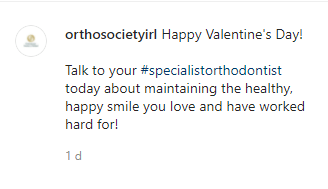
Looking for some inspiration for Valentine-themed content?
A compassionate approach is at the heart of healthcare, and it should also be reflected in your marketing efforts. Show empathy towards your audience by addressing their concerns and providing valuable, informative content.
Check out these examples from previous campaigns. I really like the way they’ve incorporated the theme but stayed nicely on brand.
With the rise of social media platforms and mobile devices, people now have access to vast amounts of information at their fingertips. This has resulted in a shift in online behaviour, as more and more people turn to online platforms for research into health conditions.
1. Harnessing the Power of Social Media
With 31% of consumers actively using social media for health-related queries, and an even more significant 29% preference among Gen Z and Millennials, understanding the dynamics of social search is paramount. Engaging with audiences on platforms like Instagram, TikTok, and Twitter can provide healthcare marketers with unique opportunities to share credible information, connect with patients, and establish thought leadership.
While social media’s influence is undeniable, search engines remain a cornerstone for healthcare information seekers. A resounding 88% of consumers consider search engines the most effective means of finding healthcare answers. Healthcare marketers must ensure that content aligns with evolving algorithms and ranking factors. Staying at the forefront of SEO trends is essential for maintaining visibility and credibility in the healthcare landscape.
With 54% of consumers primarily using their phones for health-related queries, crafting mobile-first experiences becomes a strategic imperative. For healthcare marketers, this means optimizing websites, content, and communications for seamless mobile interactions. As a deeper dive into generational habits reveals, a significant percentage of Gen Z, Millennials, and Gen X users favor mobile devices, emphasizing the need for mobile-centric strategies.
5. Tailoring Strategies to Generational Preferences
Understanding the diverse preferences of different generations is key for healthcare marketers. Tailoring strategies to align with the preferences of Gen Z, Millennials, and Gen X ensures that healthcare content and experiences resonate effectively. Leveraging social media, optimizing for mobile searches, and tailoring messaging to each generation’s unique characteristics can enhance engagement and foster meaningful connections with patients and healthcare consumers.
Content is the heartbeat of every successful social media strategy. In this article, we’ll explore some of the most popular types of social media content, and examine why they work so well.
1. Educational Posts
One of the central missions of healthcare marketing is to inform and educate the public about a wide range of health-related topics. Creating educational content serves multiple purposes in healthcare marketing, all of which contribute to building a trustworthy and reliable reputation.
Establishing Trust: When patients and the public at large feel that they are being provided with valuable, accurate information, trust in the healthcare provider or organization grows. People are more likely to seek medical advice or services from entities they trust. Educational content helps in establishing this trust by demonstrating a commitment to disseminating accurate, evidence-based information.
Empowering Patients: Informed patients tend to make better healthcare decisions. Educational content equips patients with the knowledge they need to understand their health conditions, treatment options, and preventive measures. This empowers individuals to take a more active role in their own healthcare, which can lead to better health outcomes and increased patient satisfaction.
Filling Information Gaps: In the digital age, people frequently turn to the internet for health information. Unfortunately, not all online health content is accurate or reliable. By providing educational content, healthcare providers help fill the information gap with trustworthy resources. Patients are more likely to rely on the information provided by their healthcare providers, which can help them make well-informed decisions.
Health Promotion and Prevention: Educational content can focus on topics like wellness, disease prevention, and healthy living. This proactive approach to healthcare can have a profound impact on public health.
2. Patient Testimonials
Patient testimonials can be powerful content in healthcare marketing. They offer an authentic, real-world perspective on the quality of care and services provided by healthcare practitioners or organisations.
Building Trust and Credibility: Hearing from those who have experienced positive outcomes creates a sense of reassurance. It validates the effectiveness and quality of your services, instilling confidence in potential patients that they are making the right choice by seeking care from your organisation.
Relatable Experiences: Patient testimonials allow prospective patients to find relatable experiences. These relatable narratives help potential patients envision their own healthcare journey and see the potential for positive outcomes, which can be incredibly encouraging.
Social Proof: In the age of social media and online reviews, social proof is essential. Patient testimonials are a form of social proof that can significantly influence the decision-making process of prospective patients. When people see positive feedback and firsthand accounts of successful treatment, they are more likely to choose your healthcare services over others.
Ethical Considerations: While patient testimonials can be powerful, it’s vital to handle them with ethical considerations in mind. Always obtain explicit and informed consent from the patients whose stories you wish to share. Ensure that patients understand how their testimonials will be used and the extent to which their privacy will be protected. It’s essential to respect patient confidentiality and privacy laws, such as HIPAA in the United States and GDPR in Europe.
Diverse Perspectives: Showcase a variety of patient testimonials to demonstrate the diversity of patients you serve and the wide range of conditions you can address. Different voices and experiences can resonate with different potential patients, making them feel seen and understood.
3. Live Q&As
Hosting live question-and-answer (Q&A) sessions on social media platforms not only offers a direct line of communication with the public but also serves as a platform for addressing common health concerns, providing answers to specific questions, and fostering trust and credibility.
Real-Time Engagement: Live Q&A sessions offer the unique advantage of real-time interaction. Healthcare professionals can directly engage with their audience, responding to questions and concerns as they arise. This immediate engagement can enhance the quality of the conversation and build a sense of trust.
Accessibility: Live Q&A sessions are accessible to a wide range of viewers, making them an inclusive medium for disseminating healthcare information. They break down geographical barriers, ensuring that valuable health advice and expertise can reach a global audience.
Information Dissemination: These sessions provide a platform for sharing accurate, evidence-based information on various health topics. Healthcare professionals can use live Q&A to address frequently asked questions, debunk common myths, and provide updates on emerging health concerns, treatments, or preventive measures.
Humanising Healthcare: Healthcare can be perceived as intimidating or distant. Live Q&A sessions allow healthcare professionals to humanise their practice. By appearing in a live video, answering questions, and sharing personal insights, they demonstrate empathy and a commitment to the well-being of their audience.
Trust and Credibility: When healthcare professionals engage in live Q&A sessions and provide expert answers, they establish trust and credibility. The public is more likely to trust and seek medical advice from professionals who are willing to interact directly and transparently, which can translate into increased patient loyalty.
Building an Online Community: Consistent live Q&A sessions can help build a dedicated online community around a healthcare brand. Regular viewers may come to expect and look forward to these interactions, fostering a sense of belonging and loyalty.
4. Behind-the-Scenes Content
People are often curious about what goes on behind the scenes at a healthcare facility. Share glimpses of your team in action, the latest medical equipment, or the inner workings of your practice. This type of content fosters transparency and builds trust with your audience.
Celebrating Milestones and Achievements: Behind-the-scenes (BTS) content can be used to celebrate milestones, achievements, and important moments within the healthcare organization. Whether it’s a new facility, the introduction of a new medical technology, or a healthcare professional’s significant accomplishment, sharing these behind-the-scenes glimpses can be an excellent way to showcase progress and development.
Team Spotlight: Highlighting the dedicated and skilled individuals who make up the healthcare team can boost team morale and reassure patients about the quality of care they can expect.
Quality of Care: Showing the meticulous care, preparation, and dedication that go into healthcare services can reinforce the perception of quality. It’s an opportunity to convey the attention to detail and the commitment to providing the best possible care.
Best Practices
Obtain Consent: Always ensure that you have the proper consent from both healthcare professionals and patients to feature them in BTS content. Respect patient privacy and confidentiality at all times.
5. Health Awareness Campaigns
Health awareness campaigns serve as an educational platform, helping to inform the public about specific health issues. By creating content that explains the causes, symptoms, risk factors, and prevention methods related to the targeted health concern, healthcare organizations empower individuals to make informed decisions about their health.
Best Practices for Participating in Health Awareness Campaigns
Planning and Preparation: Start planning your involvement well in advance. Identify the campaigns that align with your organization’s mission and target audience. Develop a content strategy and calendar that includes the creation of informative, engaging, and shareable content.
Collaboration: Partner with other healthcare organizations, nonprofits, or relevant stakeholders to amplify the campaign’s reach and impact. Collaborations can lead to greater community engagement and a more comprehensive educational effort.
Targeted Content: Tailor your content to meet the specific needs and questions of your audience. Address the unique concerns of your patient population and provide guidance that is practical and relevant.
6. Industry News and Medical Breakthroughs
Sharing this type of content positions you as a thought leader within the field. By curating and commenting on relevant news stories, you can showcase your expertise and your commitment to staying at the forefront of your field. Patients are more likely to trust healthcare providers who are well-informed and can provide insights into the most current and effective healthcare practices.
Types of Industry News and Updates Content in Healthcare Marketing
Medical Breakthroughs: Share news about groundbreaking medical research, innovative treatments, and promising medical technologies that have the potential to impact patient care positively.
Health Policy Updates: Inform your audience about changes in healthcare policy, including updates related to insurance coverage, government regulations, and public health initiatives.
Clinical Guidelines: Provide information about updated clinical guidelines, such as new recommendations for disease prevention, screening, or treatment options.
Healthcare Technology: Share news about cutting-edge healthcare technologies, telemedicine advancements, and the implementation of electronic health records.
Research Studies: Summarize and discuss the findings of significant research studies or clinical trials that are relevant to your target audience.
Best Practices for Sharing Industry News and Updates
Source Credibility: Ensure that the sources of your news and updates are reputable and reliable. This helps maintain your organization’s trustworthiness.
Customization: Tailor the content to your specific target audience. Consider the demographics and healthcare needs of your patients or community when selecting news and updates to share.
Engagement: Encourage engagement with your content by asking for feedback, inviting questions, and creating opportunities for discussion, such as comment sections on social media posts or blog articles.
Timeliness: Share news and updates promptly to ensure that your audience is receiving current, relevant information.
Visual content such as diagrams, charts, and infographics, simplifies complex medical information, making it more accessible and digestible for patients and the general public.
Enhancing Engagement: Visual content is inherently more engaging than text-based content. The use of images, videos, and animations can capture the audience’s attention and encourage them to spend more time on your website or social media platform, increasing the likelihood that they will absorb the information.
Increasing Retention: People tend to remember information better when it is presented visually. Visual content can significantly improve retention rates for healthcare-related information, ensuring that patients and the public retain important medical guidance and advice.
Types of Visual Content in Healthcare Marketing
Infographics: Infographics condense complex medical information into visually appealing, easy-to-understand graphics. They are useful for explaining medical conditions, procedures, and health statistics.
Videos: Healthcare organizations use videos to share patient stories, provide educational content, conduct virtual tours of facilities, and explain medical procedures. Videos can be shared on websites, social media, and video-sharing platforms.
Images: High-quality images can convey a wealth of information. Medical images, patient testimonials, and photographs of facilities and staff can humanize the healthcare provider and their services.
Animations: Animated videos and GIFs are excellent for illustrating medical processes, such as surgical procedures, the mechanism of action of medications, or the progression of diseases.
Social Media Graphics: Healthcare organizations use visually appealing graphics on social media to share health tips, awareness campaign updates, and general health information.
Best Practices for Visual Content in Healthcare Marketing
Accessibility: Make visual content accessible to all by providing alternative text for images and ensuring compatibility with screen readers and other assistive technologies.
Consistency: Maintain a consistent visual identity throughout all your content to build a recognizable brand image.
Patient Privacy: Respect patient privacy and obtain the necessary consent for sharing images or stories.
Quality: Invest in high-quality visuals to convey professionalism and enhance the visual appeal of your content.
Video content is a dynamic and highly effective medium in healthcare marketing that leverages the power of visuals, storytelling, and engagement to communicate with and educate patients, promote services, and build trust.
Engagement and Retention: Video is one of the most engaging content formats. It captivates the audience and keeps them invested in the message. This engagement translates to better retention of the information being presented. In healthcare, where understanding and remembering health advice is critical, video content excels.
Education and Explanation: Complex medical concepts, procedures, and treatment options can be simplified and explained more effectively through video. Animated or live-action videos can provide step-by-step explanations, helping patients understand what to expect during medical procedures or how to manage their health conditions.
Patient Stories and Testimonials: Video is a powerful medium for sharing patient stories and testimonials. Real-life accounts of how individuals have overcome health challenges or experienced positive outcomes can be deeply persuasive. They provide hope and reassurance to other patients facing similar situations.
Telemedicine and Telehealth: With the growth of telemedicine and telehealth services, video content is invaluable. It can be used to explain how these services work, guide patients on how to prepare for virtual visits and demonstrate the technology used in telehealth, ensuring a smooth experience for patients.
Demonstrating Medical Procedures: Videos can offer an inside look into medical procedures, surgeries, and treatment processes. These visuals can be used to show patients what to expect, reducing anxiety and answering common questions. They can also be used for training purposes within the healthcare industry.
Virtual Facility Tours: Patients often feel apprehensive about visiting a healthcare facility for the first time. Video tours of the facility, including examination rooms, surgical suites, and patient areas, can provide a sense of familiarity and comfort. This transparency can help patients feel more at ease during their visits.
Health Education: Educational videos can cover a wide range of health-related topics, from wellness and disease prevention to chronic condition management and healthy lifestyle choices. These videos empower patients to take control of their health.
Best Practices for Creating Video Content in Healthcare Marketing
Patient Consent: When featuring patient stories or testimonials, obtain proper consent and respect patient privacy by following healthcare privacy regulations.
Accessibility: Make your video content accessible to a broad audience by providing closed captions and transcripts. This is particularly important for individuals with hearing impairments.
Professional Production: Invest in professional video production to ensure high-quality visuals and audio. Professionalism enhances the credibility of your content.
Optimize for Mobile: Given the prevalence of mobile device usage, ensure that your videos are mobile-friendly, load quickly, and are easily viewable on smartphones and tablets.
Distribution Strategy: Have a clear distribution strategy. Share your video content on your website, social media platforms, and any relevant healthcare portals. Promote it via email newsletters and other marketing channels to maximize its reach.
Engagement is key on social media. Interactive content encourages active participation and engagement from the audience, allowing individuals to interact with the content rather than passively consuming it. It sustains the audience’s attention far more effectively than static content.
Interactive content can also be a highly effective tool for educating the public about complex health topics. Through quizzes, simulations, or interactive infographics, healthcare professionals can break down intricate medical concepts into digestible, engaging formats. This enhances understanding and retention, making healthcare information more accessible to the general public.
Types of Interactive Content in Healthcare Marketing
Interactive Quizzes: Healthcare organizations can create quizzes on various health topics, allowing users to test their knowledge and learn more about their health.
Interactive Infographics: These animated or clickable infographics provide a deeper dive into medical conditions, treatments, or procedures, allowing users to explore content at their own pace.
Symptom Checkers: These interactive tools can guide users through their symptoms, offering potential diagnoses or suggesting when to seek medical attention.
Health Calculators: Tools such as BMI calculators, calorie counters, and pregnancy due date calculators can be embedded in healthcare websites to help users assess various health-related factors.
Decision Aids: These interactive guides assist patients in making informed decisions about their healthcare choices, such as treatment options or surgery.
Best Practices for Creating Interactive Content in Healthcare Marketing
Accessibility: Ensure that interactive content is accessible to a wide range of users, including those with disabilities, by adhering to accessibility standards.
User-Friendly Design: Make the interactive content easy to navigate and understand, with intuitive interfaces and clear instructions.
Accuracy and Trustworthiness: Verify the accuracy of the medical information presented in the interactive content and provide references or citations where appropriate.
Mobile Optimization: Ensure that interactive content is mobile-friendly, as many users access healthcare information on smartphones and tablets.
Data Privacy: Collect user data only with their consent and in compliance with data privacy regulations. Be transparent about data collection and usage.
10. User Generated Content
User Generated Content (UGC) encompasses a wide range of content, from patient testimonials and stories to reviews, social media posts, images, and videos. Patients often turn to UGC for health information. They seek insights, advice, and shared experiences from others who have faced similar health conditions or undergone similar treatments. UGC can provide practical, relatable guidance for healthcare decision-making.
Authenticity and Trust: UGC is highly authentic and trustworthy. It reflects the real experiences and opinions of patients and individuals who have interacted with healthcare organizations. This authenticity is invaluable in a field where trust is of utmost importance.
Real-World Impact: UGC demonstrates the real-world impact of healthcare services. Patient testimonials, before-and-after photos, and personal stories showcase the transformative power of medical care and treatments, providing hope and inspiration to other patients.
Social Proof: UGC serves as a powerful form of social proof. When potential patients see positive feedback, stories of recovery, and firsthand accounts of successful treatment, they are more likely to choose your healthcare services over others. UGC provides a sense of reassurance and validation.
Types of User-Generated Content in Healthcare Marketing
Patient Testimonials: Written or video testimonials from patients who share their experiences and outcomes after receiving healthcare services.
Social Media Posts: Patients often share their healthcare experiences, recovery journeys, and interactions with healthcare providers on platforms like Facebook, Twitter, and Instagram.
Online Reviews: Patients provide feedback and reviews on healthcare provider websites, as well as on platforms like Yelp, Google Reviews, and Healthgrades.
Blogs and Articles: Some patients chronicle their healthcare journeys and recovery experiences in blogs and articles, offering valuable insights to others facing similar health challenges.
Videos and Images: Patients may create videos or images to document their healthcare experiences, procedures, and recovery progress.
Conclusion
In healthcare marketing, the type of social media content you create can have a significant impact on your engagement, trust-building, and reputation. A well-rounded content strategy should encompass educational, promotional, and interactive elements, while also maintaining patient privacy and adhering to ethical guidelines. By offering valuable information, sharing personal stories, and actively engaging with your audience, you can leverage the power of social media to create a stronger and healthier online presence in the healthcare sector.
Visually appealing content is crucial for cutting through the noise on social media and capturing target audiences’ attention. Pictures catch people’s attention more readily than text, and in today’s busy online world, images can quickly convey your marketing message through the clutter of online content.
In my latest Medium article, I’m sharing three of my favourite tips for creating eye-catching and engaging visuals.
Sprout Social, a prominent social media management and analytics platform, has been at the forefront of providing valuable insights for social media marketers. Their annual listing of the best times to post on major social media platforms is a good guide for those looking to maximize their online presence. This year, for the first time, Sprout Social has included data on TikTok in its analysis.
In the world of healthcare, we often find ourselves at the crossroads of technology and patient care. Healthcare professionals understand the importance of embracing innovation but also carry a certain degree of skepticism when it comes to adopting new technologies.
It’s a skepticism that has parallels in history.
The “Red Flag Act” of Early Automobiles
The “Red Flag Act” of 1865, enacted in the United Kingdom, mandated that self-propelled vehicles (which included early automobiles) should not exceed a maximum speed of 2 miles per hour (approximately 3.2 kilometers per hour) while traveling in cities or urban areas. One of the most distinctive features of the Red Flag Act was the requirement for a person to walk in front of the vehicle carrying a red flag. This flag bearer, often referred to as a “red flag man” or “flagman,” was meant to serve as a warning to other road users about the presence of the vehicle. The flagman had to walk at a certain distance ahead of the vehicle, further impeding its progress.
The Act was a response to concerns about the safety of early automobiles and their potential impact on pedestrians and horse-drawn carriages. It was a reflection of the skepticism and apprehension surrounding the new technology at the time. Over the years, as automotive technology improved, these restrictions were gradually eased, and eventually, the Red Flag Act was repealed in the late 19th century, making way for more modern traffic regulations.
Parallels to the Rise of Social Media
The skepticism surrounding early automobiles in the 19th century finds a modern-day counterpart in the rise of social media.
Embracing the Unknown
Just as early automobiles were new and unfamiliar, the advent of social media platforms represented a seismic shift in the way we communicate and gather information. The unfamiliarity and rapid adoption of these platforms led to skepticism and questions.
Safety and Ethical Concerns
Much like the Red Flag Act aimed to address concerns about the safety of early automobiles, social media has raised concerns about the safety and well-being of its users. In healthcare, we need to be cautious about the ethical implications of data privacy, misinformation, and maintaining the trust of our patients.
Gradual Acceptance and Adaptation
Over time, society adapted to the presence of automobiles, and they became an integral part of our lives. Similarly, social media is here to stay, and it is essential for healthcare professionals to adapt to this new era of patient engagement and information dissemination.
Navigating the Digital Era
Just like any tool, social media has its share of risks and consequences, especially when integrated into healthcare practice. Just as you would take time to understand how a new medical device or software works, it’s important to gain a deep understanding of the social media platforms you intend to use. Understanding their features, capabilities, and limitations is the first step in using them effectively and safely.
Training your staff on how to use social media platforms correctly is as important as training them on any other medical equipment or protocol. Understand and communicate the potential risks and consequences of social media use to your staff and patients. This includes the potential for misinformation, privacy breaches, online harassment, and reputational risks.
Finally, just as healthcare professionals engage in ongoing education and professional development, staying current with best practices and evolving trends in social media is vital. The digital landscape is continually changing, and staying informed is a part of responsible use.
The “Red Flag Act” of the past reminds us that change can be met with hesitation, but it is our responsibility to adapt and ensure that these technologies are harnessed for the betterment of patient care. Embracing social media with the same mindset as adopting new technology in practice ensures that its benefits are harnessed while minimizing the risks and consequences associated with its use.











 Health Care Social Media