
I really like the way the organizers of this Mayo Clinic CME conference framed the title of my presentation today. It’s not the case fo…
Source: network.socialmedia.mayoclinic.org
See on Scoop.it – Health Care Social Media Monitor
I really like the way the organizers of this Mayo Clinic CME conference framed the title of my presentation today. It’s not the case fo…
Source: network.socialmedia.mayoclinic.org
See on Scoop.it – Health Care Social Media Monitor

As a designer in health care, my goal is to ensure that the products and technologies we build engage our users – be they patients or health care providers. Design is a strategic tool, encompassing many aspects from research to concepts to prototyping. One critical aspect of this human-centered design is the approach to learning called rapid ethnography.
Source: www.healthagen.com
See on Scoop.it – Health Care Social Media Monitor

Representation of Health Conditions on Facebook: Content Analysis and Evaluation of User Engagement
Source: www.jmir.org
This research represents the first attempts to comprehensively describe publicly available health content and user engagement with health conditions on Facebook pages. Public health interventions using Facebook will need to be designed to ensure relevant information is easy to find and with an understanding that stigma associated with some health conditions may limit the users’ engagement with Facebook pages. This line of research merits further investigation as Facebook and other SNS continue to evolve over the coming years.
See on Scoop.it – Health Care Social Media Monitor

This month, Daniel Ghinn examines how Johnson & Johnson’s integrated social media channels are working to support nurses and prospective nurses. By 2020, the US will face a shortage of 800,000 nurses, according to statistics quoted by Johnson &…
Source: www.pharmaphorum.com
See on Scoop.it – Health Care Social Media Monitor
Everyone grieves differently, and that’s as true on social media as it is offline. But in the aftermath of a death of a well-known public figure, we’re reminded once again that social media makes grief more public than ever before. Social media’s ability to help us share in communal mourning…
Source: www.slate.com
Robin Williams’ death brought forth an outpouring of commentary: not of all of it helpful. This guide on how to handle death on Twitter is timely not just in the light of Williams’ death, but also to provoke a wider debate about how we handle living and dying in a digital age
See on Scoop.it – Health Care Social Media Monitor
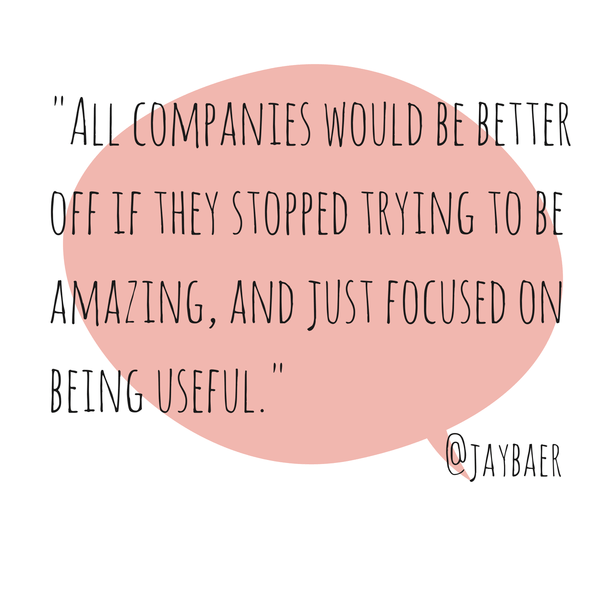

Twitter is a conversation, and just as you observe conversation etiquette in real life, when it comes to healthcare tweeting there are unwritten rules, too.
Source: linkis.com
See on Scoop.it – Health Care Social Media Monitor

It is essential that we psychiatrists align ourselves with the public and our patients both to disseminate accurate information and to educate. Social media allows us to have this public voice more than ever before.
Source: www.psychiatrictimes.com
See on Scoop.it – Health Care Social Media Monitor

How can social media change health professional education? Dr. Anne Marie Cunningham will be discussing that issue as the morning plenary speaker at ICRE’s upcoming Social Media (SoMe) Summit. A cl…
Source: icreblog.royalcollege.ca
See on Scoop.it – Health Care Social Media Monitor

Gone are the days where LinkedIn was just a social media site for finding a new job. The network has evolved into the premier social destination for
Source: www.likeable.com
See on Scoop.it – Health Care Social Media Monitor
 Health Care Social Media