Posted in #HCSM

Hashtags at 18: What They’ve Meant for Healthcare and Advocacy

Today is International Hashtag Day, and it also marks the hashtag’s 18th birthday. What began as a niche idea on Twitter in 2007 is now part of how healthcare professionals, patient advocates, and communities connect, learn, and campaign for change.

The Birth of the Hashtag

On 23 August 2007, Chris Messina suggested using the # symbol to group conversations on Twitter. Initially dismissed as “too nerdy,” the idea caught on when people began using hashtags to share updates during the San Diego wildfires later that year. By 2009, Twitter had made hashtags clickable, and soon they spread to Instagram, Facebook, LinkedIn, and TikTok.

Since then, hashtags have become cultural shorthand. They’ve carried lighthearted trends (#ThrowbackThursday), breaking news, and, importantly, social movements (#MeToo, #BlackLivesMatter).

Hashtags in Healthcare

In healthcare, hashtags have served as digital gathering places. Movements like #ILookLikeASurgeon challenged stereotypes and celebrated diversity in surgery. #MedTwitter, #CardioTwitter, and #IDTwitter have connected clinicians and patients across the world, enabling rapid sharing of evidence, insights, and professional solidarity.

Hashtags also underpin #FOAMed (Free Open Access Medical Education), where health professionals use tags to curate and share open educational resources. During the COVID-19 pandemic, hashtags provided real-time access to emerging research and peer commentary.

The Risks

As with any tool, hashtags are not without risks. They can be used performatively, with little action behind them. They can create echo chambers, exclude certain voices, or be hijacked for misinformation. Yet when used with intention, they remain a powerful part of digital health communication.

Hashtags at 18: Coming of Age in Healthcare

Eighteen often marks adulthood — a moment when identity and responsibility converge. Hashtags, too, have reached that stage. Algorithms may increasingly shape what people see, but hashtags still serve as anchors for visibility, belonging, and collective voice.

For healthcare professionals and advocates, they remain one of the simplest yet most effective tools for connecting communities, amplifying trusted information, and driving meaningful change.

So here’s a question to mark the hashtag’s 18th birthday: What hashtag has shaped you the most — whether it made you laugh, taught you something new, or gave you a sense of belonging?
Posted in #HCSM

Getting Health Messages Shared: What Really Works on Instagram

Instagram has evolved far beyond being a hub for fashion, food, and lifestyle brands. With more than 2 billion monthly users, it has become one of the most potent platforms for storytelling, education, and awareness-building. For healthcare communicators, that reach is impossible to ignore.

What makes Instagram especially effective is its ability to translate complex or sensitive health information into visual, accessible, and emotionally resonant content. Reels, carousels, and infographics allow you to distil big ideas into bite-sized, shareable moments. The platform also connects directly with younger demographics — Millennials and Gen Z — who are less likely to seek health information through traditional media or institutional websites.

But here’s the critical insight: shares matter more than likes.

  • A like signals agreement.
  • A comment shows engagement.
  • But a share extends your reach into entirely new networks — multiplying visibility and influence far beyond your existing followers.

For health messages — where the goal is often awareness, education, or behaviour change — shares are the ultimate form of amplification.

So, what makes people hit the share button? Let’s look at five proven types of content that consistently get shared.

1. Motivational or Inspirational Content

Why it works: Inspiration is universal. People share motivational content because it makes them feel uplifted, and they want others to feel the same.

Healthcare examples

  • A resilience story highlighting a patient’s recovery journey (with consent and sensitivity).
  • A reel showcasing the dedication of frontline staff during a public health campaign.
  • A quote graphic emphasising the importance of small, daily habits for long-term health.

Tip: Keep it authentic. Forced positivity rings hollow, but real, human stories resonate deeply. When possible, focus on lessons learned or a hopeful outcome, not just glossy “success.”

👉 Continue reading the full article on my Substack

Posted in #HCSM

Monday Morning Cool Tool: Ribbet

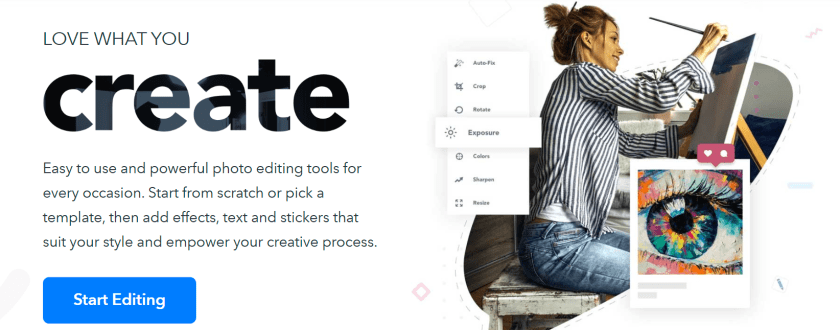
This week I’m recommending Ribbet – a user-friendly online photo editor.

Ribbet’s intuitive interface and straightforward tools make it accessible to everyone.

Here are some noteworthy features:

  • Ribbet’s interface is designed for simplicity, allowing you to crop, resize, adjust brightness, or enhance colors easily.
  • Ribbet’s extensive library of filters and effects helps you find the perfect filter to enhance your images.
  • Whether you want to add a catchy caption or a fun emoji, Ribbet makes it easy to customize your visuals.
  • Ensure your photos look their best on any platform with Ribbet’s resizing and cropping tools. Easily adjust your images to the optimal dimensions for Instagram, Facebook, X, and more.
  • Need to quickly remove a blemish, or whiten teeth? Ribbet has those tools as well.
  • Finally, if you are looking for a quick start, Ribbet has many templates that allow you to easily create content.

What I like best about Ribbet is how user-friendly it is. Its intuitive interface and social media-ready tools make it a great choice for anyone looking to elevate their graphics. And the best part? It’s totally free. So, ditch the complicated software and give Ribbet a try.