Posted in Cool Tool

Monday Morning Cool Tool: ClipChamp

This week’s cool tool recommendation is Clipchamp a free video editor.

Here are some of the things you can do with Clipchamp

  • Edit your videos: Trim, split, and combine video clips, add transitions, and adjust the speed and volume.  
  • Enhance your videos: Add text, filters, effects, and music to your videos.  
  • Create videos from scratch: Use Clipchamp’s library of templates to create professional-looking videos quickly.  
  • Record your screen and webcam: Create video tutorials, presentations, or record yourself speaking directly to your audience.  
  • Use Clipchamp with Microsoft 365: If you have a Microsoft 365 subscription, you get access to even more features in Clipchamp, like premium filters and effects, and 1 TB of OneDrive cloud storage.  

Key Benefits of Clipchamp

  • Easy to use: The interface is simple and intuitive, so you can start editing videos right away.  
  • Free: Clipchamp is free to use, with no watermarks on your exported videos.  
  • Cloud-based: You can access your videos and edit them from any device with an internet connection.
  • Integrated with Windows 11: Clipchamp is built into Windows 11, so you can easily access it from the Start menu or search bar.  

Posted in #HCSM

Which Social Media Channels Offer the Best ROI in Healthcare?

With so many social media options available, it can be challenging to identify which platforms deliver the most impact for healthcare brands. In this context, ROI (Return on Investment) measures how effectively your social media efforts are generating value—such as increased patient engagement, service inquiries, or brand awareness—relative to your investment in time and resources.

Why Social Media ROI Matters in Healthcare

In healthcare, ROI goes beyond basic engagement metrics. Demonstrating the tangible value of social media initiatives to leadership, patients, and stakeholders is crucial for justifying budgets and optimizing marketing strategies. Measuring and analyzing ROI provides data-driven insights that allow you to focus your budget on the most effective channels, ensuring that you maximize the reach and influence of your healthcare organization.

How to Calculate Social Media ROI for Healthcare

Calculating ROI in healthcare marketing involves aligning your social media activities with measurable goals. Here’s a step-by-step approach:

  1. Define Your Objectives: Determine what you want to achieve, such as improving patient education, increasing appointment bookings, or driving awareness of new services.
  2. Track Key Metrics: Identify the key performance indicators (KPIs) most relevant to your goals, such as website traffic, form completions, patient inquiries, engagement rate, and reach.
  3. Account for Investment: Include all costs related to social media efforts—ad spend, content creation, patient engagement tools, and staff hours.
  4. Calculate Your Return: Assess the tangible results from your social media activities. In healthcare, this may include tracking appointment requests, sign-ups for wellness programs, or the number of patient interactions influenced by social media.

There are different ROI formulas, but a basic one is:

ROI = (Net Profit / Total Investment) x 100

  • Net Profit = Value gained (e.g., revenue) — Total Investment
  • Total Investment = Direct and indirect costs

Example: Suppose you invest $500 in a Facebook ad campaign and $200 in staff time for a total of $700. If this campaign brings in $1,000 worth of new patient appointments, your net profit is $300, giving a 42.9% ROI.


Which Social Media Channels Offer the Best ROI in Healthcare?

1. YouTube
According to HubSpot’s 2024 Social Media Trends Report, YouTube ranks highest for ROI, making it a valuable platform for healthcare. With over 2.5 billion active users, YouTube offers a tremendous opportunity to connect with a broad audience through educational and patient-friendly video content. In healthcare, video content can demystify complex medical information, enhance patient trust, and educate audiences about treatments, conditions, and wellness practices.

Top Tip: Use a mix of long-form educational videos and short, patient-centered clips to engage diverse viewer groups and maximize both reach and engagement.

Check Out This Tool to Transform Your Long Videos into Shorts with AI!

2. Facebook
Facebook remains a strong channel for healthcare organizations, especially those seeking precise audience targeting. While organic reach has declined, Facebook’s advertising tools enable you to reach specific demographics, making it ideal for local healthcare providers and specialty clinics aiming to connect with target patient groups.

Top Tip: Focus on high-engagement posts that can be “boosted” to expand reach cost-effectively, helping you get the most out of your advertising budget.

10 Ways to Improve Your Facebook Organic Marketing 

3. Instagram
With 2 billion active users, Instagram provides a unique way for healthcare brands to build an engaged community. Visuals and Stories are perfect for sharing patient success stories, showcasing wellness tips, or promoting health-related events.

Top Tip: Use interactive stickers in Stories to increase engagement. Try adding a Q&A or poll to answer common patient questions and build a stronger connection with your audience.

Master the Art of Instagram Stories With These Expert Tips

4. TikTok
With over 1.5 billion monthly active users and rising, TikTok offers an exciting platform for healthcare brands targeting younger audiences. Educational, health-related videos can go viral, making TikTok an ideal space for short, impactful content that raises awareness or dispels myths about healthcare topics.

Top Tip: Engage with trends on TikTok to boost visibility. Whether it’s using popular music, hashtags, or participating in healthcare-related challenges, joining trends increases discoverability and helps your content resonate with users.


Final Considerations for Healthcare Social Media ROI

  1. Attribution Challenges: Directly attributing appointments or outcomes to social media can be complex. Utilize tracking tools, such as unique links or patient intake forms, to estimate impact accurately.
  2. Long-Term ROI: Not all healthcare ROI is immediate; some efforts, like building trust and educating patients, contribute to long-term engagement and loyalty.
  3. Big-Picture Value: Remember that while campaign-specific ROI is helpful, the overall value of your social media presence in building trust and enhancing patient relationships is also significant.
Posted in #HCSM

Boost Your Healthcare SEO with ChatGPT

Search engine optimization (SEO) is the key to getting your healthcare content noticed online. However, keeping up can feel overwhelming with constant algorithm updates and increasing competition for online visibility. With ChatGPT, you can simplify and enhance your SEO efforts across multiple fronts, from keyword research to content optimization.

Here are ten ways you can use ChatGPT to boost your healthcare SEO strategy.

1. Keyword Research

Keyword research is the foundation of SEO. ChatGPT lets you quickly generate relevant keyword ideas by entering prompts related to your topic. For example, a prompt like “Suggest primary and long-tail keywords for [topic]” will yield a list of potential keywords. Plus, it can generate keywords that appeal to different levels of user intent, helping you build a comprehensive strategy.

Example Prompt

“Suggest primary and long-tail keywords for healthy eating.”

ChatGPT Output

Primary Keywords

  1. Healthy eating
  2. Balanced diet
  3. Nutritional meals
  4. Clean eating
  5. Healthy recipes

Long-Tail Keywords

  1. Benefits of healthy eating for weight loss
  2. Easy healthy recipes for beginners
  3. How to start a balanced diet
  4. Nutritional meals for busy professionals
  5. Affordable healthy eating on a budget
  6. Foods to avoid for a clean eating lifestyle
  7. Healthy eating tips for families
  8. Meal prep ideas for a balanced diet
  9. Plant-based healthy eating guide
  10. Simple healthy snacks for work

Using Different Levels of User Intent

Search intent, also called user intent, is the purpose behind a user’s specific query in a search engine. It reflects the user’s goal, whether it’s to find information, locate a specific website, make a purchase, or investigate a topic.

Example Prompt

“Suggest keywords with different levels of search intent for healthy eating.”

Informational Keywords (users seeking information):

  • “What are the basics of healthy eating?”
  • “Healthy eating tips for beginners”
  • “Benefits of a balanced diet”

Navigational Keywords (users searching for specific sites or brands):

  • “Harvard healthy eating plate”
  • “CDC guidelines for healthy eating”
  • “American Heart Association diet recommendations”

Transactional Keywords (users ready to make a purchase or take action):

  • “Healthy eating meal prep service”
  • “Buy healthy eating cookbooks”
  • “Order healthy snacks online”

Further Reading: Avoid These Keyword Mistakes to Boost Your SEO Strategy

2. Generating Topic Ideas

Content marketing thrives on fresh, engaging topics. By feeding ChatGPT a general theme or area of interest, you can receive a variety of unique topic ideas. Prompts like “List 10 unique article ideas about [topic]” make brainstorming sessions faster and more productive.

Example Prompt

“List 10 unique article ideas about mental wellness.”

ChatGPT Output

  • “The Science Behind How Nature Affects Mental Wellness”
    Exploring the psychological and physiological benefits of spending time in nature and how it impacts mental health.
  • “10 Simple Daily Habits to Boost Mental Wellness”
    A listicle of easy-to-implement daily habits that contribute to improved mental well-being.
  • “Understanding the Link Between Sleep and Mental Health”
    Examining the role of quality sleep in maintaining mental wellness, plus tips for better sleep hygiene.

3. Creating Content Outlines

After you’ve selected your topic, you need to structure your content effectively. ChatGPT can help create a clear and logical outline by prompting it with something like “Outline a blog post on [topic].” This approach helps you map out sections, identify subtopics, and ensure a smooth flow in your articles, enhancing the overall readability and SEO potential.

Example Prompt

“Outline a blog post on ‘The Benefits of Mindfulness for Stress Management.’”

ChatGPT Output

Title: The Benefits of Mindfulness for Stress Management

Introduction

  • Brief overview of the impact of stress in modern life
  • Introduction to mindfulness as an effective tool for stress reduction
  • Thesis statement: Mindfulness offers powerful benefits for managing stress by enhancing awareness, promoting relaxation, and improving overall mental health

Section 1: Understanding Mindfulness

  • Definition of mindfulness
  • Brief history and origins of mindfulness practices
  • Explanation of how mindfulness works on a cognitive level to reduce stress

Section 2: The Science Behind Mindfulness and Stress Management

  • Overview of scientific studies supporting mindfulness for stress relief
  • Explanation of the impact of mindfulness on the brain, including the amygdala and prefrontal cortex
  • Benefits for both short-term stress relief and long-term resilience

Section 3: Key Benefits of Mindfulness for Stress Reduction

  • Improved Focus and Concentration: Mindfulness helps reduce distraction, which can alleviate feelings of overwhelm
  • Enhanced Emotional Regulation: Promotes emotional balance and reduces reactivity to stressful situations
  • Better Physical Health: Lowers blood pressure, reduces muscle tension, and improves sleep quality
  • Increased Self-Awareness: Helps individuals recognize stress triggers and patterns

Section 4: Simple Mindfulness Techniques for Managing Stress

  • Mindful Breathing: Explanation of technique and its benefits
  • Body Scan Meditation: Step-by-step guide for releasing physical tension
  • Mindful Walking: How this practice combines movement with mindfulness
  • Progressive Muscle Relaxation: Steps for reducing bodily stress

Section 5: Tips for Integrating Mindfulness into Daily Life

  • Suggestions for starting small, such as incorporating mindfulness into a morning routine
  • Tips for overcoming common challenges, like maintaining consistency
  • Encouragement to use mindfulness apps or join a local class

Conclusion:

  • Recap of mindfulness as an accessible, science-backed approach to managing stress.
  • Final thoughts on the importance of adopting mindfulness for mental and physical well-being.
  • Call to action: Try a mindfulness practice today to begin reaping its stress-reducing benefits.

4. Writing High-Quality Content

Using AI for content creation can save time, but it’s important to maintain quality. ChatGPT can help write portions of your content based on the outline you’ve created. Try asking for specific sections, such as “Write a 200-word introduction on [topic].” However, always review and edit to ensure accuracy and readability.

Further Reading: The Authenticity Advantage: Why You Should Prioritize Quality Over Quantity in Content Creation

5. Enhancing Readability and Engagement

Readability directly impacts SEO performance. ChatGPT can suggest simplified language, bulleted lists, or even analogies to make complex topics more approachable. You could prompt, “Rewrite this paragraph to be more conversational” or “Break this information down into bullet points.”

Click here to continue reading

Posted in Cool Tool

Monday Morning Cool Tool: Content Row Headline Generator

This week’s cool tool recommendation is a headline generator from Content Row.

An effective headline has the power to captivate readers and encourage them to delve deeper into your content. In addition to engaging readers, headlines play a crucial role in search engine optimization (SEO). Search engines rely on headlines to understand the essence of your content, and a well-crafted headline can contribute to increasing your content’s ranking in search results.

How it works

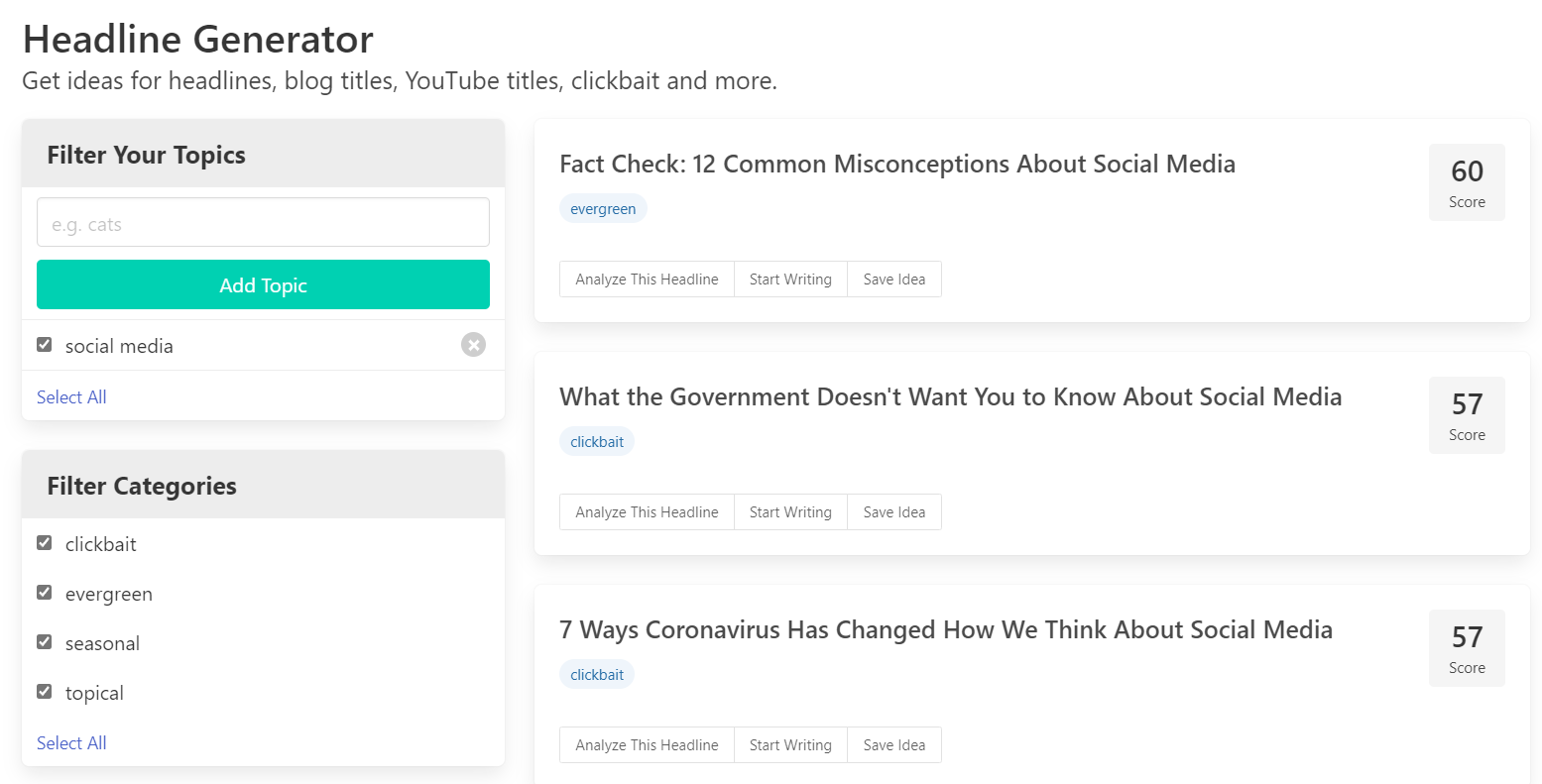
Using the term “social media” the tool provides the following suggested headlines for me. Keep in mind that as it’s an AI tool results are not an exact science, so it’s advisable to disregard clickbait titles. Once you’re logged in as a user, you have the option to filter out clickbait in your search.

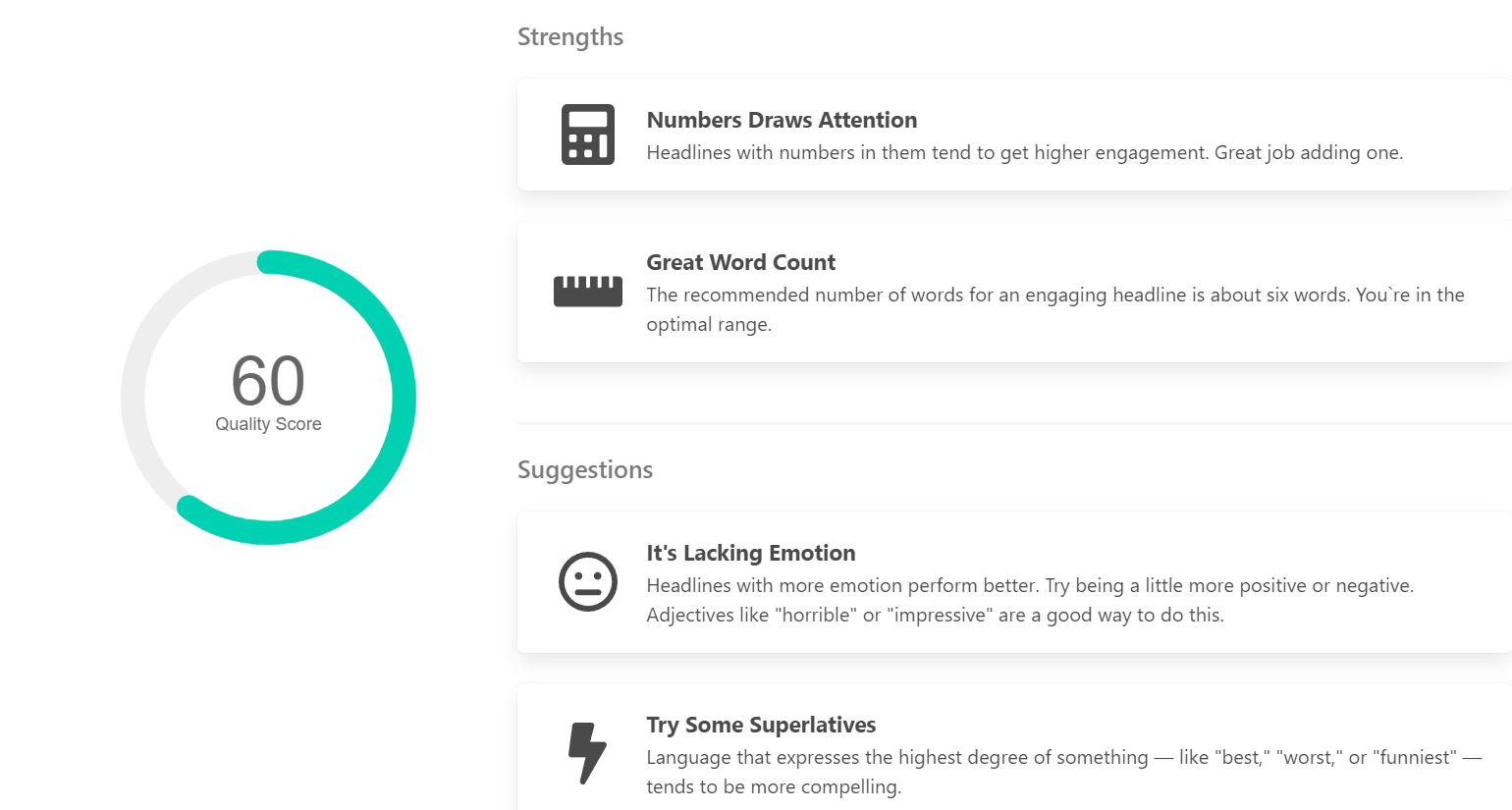
Each headline is given a score, and you can click on the option to analyze it, which is a nice feature as it gives you some suggestions on how to improve it.

While these tools aren’t perfect, they can kickstart the creative thinking process when it comes to writing headlines. 

You might also like to read:

Posted in AI, Cool Tool

Monday Morning Cool Tool: Runway

This week’s tool cool recommendation is AI text-to-video generator – Runway.

Runway AI streamlines video editing with features ranging from basic trimming, cropping, and resizing to advanced functionalities like adding music, voiceovers, sound effects, colour adjustments, and even automatic background replacement.

Top Features:

  1. Generative AI Tools: Runway ML’s collection of over 30 AI Magic Tools facilitates the creation of diverse content, including videos, images, and more.
  2. Text to Video Generation (Gen-2): This feature allows you to generate videos directly from text prompts, bringing your ideas to life with ease.
  3. Noise Reduction and Image Stabilization: Noise reduction enhances the clarity of noisy or grainy photos, while image stabilization smooths out shaky videos. These features work in tandem to refine and polish your content.
  4. Research and Innovation: Runway ML’s commitment to generative AI research ensures that users have access to the latest and most groundbreaking advancements in the field, constantly pushing the boundaries of what’s possible.

Pricing:

  • Basic: Free
  • Standard: $15 per user per month
  • Pro: $35 per user per month
  • Unlimited: $95 per user per month
  • Enterprise: Custom

Posted in #HCSM

Essential AI Terminology for Healthcare Professionals

Artificial intelligence (AI) is rapidly transforming the healthcare landscape, offering the potential to revolutionize diagnosis, treatment, and patient care. From AI-powered diagnostic tools to personalized treatment plans, the applications of this technology in healthcare are vast and promising.

However, the complex terminology surrounding AI can be a barrier for healthcare professionals seeking to understand and embrace these advancements. This glossary is designed to provide a clear and concise introduction to key AI terms. By familiarizing yourself with these essential concepts, you can gain a deeper understanding of the AI landscape and its implications for your practice.

  • Algorithm: A set of instructions or rules followed by a computer to perform a specific task or solve a problem.
  • Artificial Intelligence (AI): A broad field encompassing the development of computer systems capable of performing tasks that typically require human intelligence, such as learning, problem-solving, decision-making, and language understanding.  
  • AI Bias: Systematic errors in AI models that lead to unfair or inaccurate predictions, often due to biased training data or algorithmic design.
  • Clinical Decision Support (CDS): AI tools that assist healthcare professionals in making informed decisions about patient care by providing relevant information and recommendations.
  • Data Privacy and Security: The protection of sensitive patient information from unauthorized access or misuse, crucial in the context of AI applications in healthcare.
  • Deep Learning: A type of ML that utilizes artificial neural networks with multiple layers to analyze complex patterns in large datasets, often used for image and speech recognition.
  • Ethical Considerations: The responsible and ethical development and deployment of AI in healthcare, ensuring patient safety, privacy, and fairness.
  • Explainable AI (XAI): The ability to understand and interpret the reasoning behind an AI model’s decisions, crucial for building trust and ensuring transparency in healthcare.
  • Machine Learning (ML): A subset of AI that focuses on algorithms enabling systems to learn from data and improve their performance on specific tasks without being explicitly programmed.
  • Model: An AI system trained on data to perform a specific task, such as diagnosing diseases or predicting patient outcomes.
  • Natural Language Processing (NLP): A field focusing on the interaction between computers and human language, enabling tasks like text analysis, translation, and chatbots.
  • Neural Network: A computing model inspired by the human brain, composed of interconnected nodes (neurons) that process and transmit information, enabling pattern recognition and learning.
  • Precision Medicine: The tailoring of medical treatment to individual patients based on their genetic, environmental, and lifestyle factors, often aided by AI analysis of large datasets.
  • Predictive Analytics: The use of AI to analyze patient data and predict future events, such as disease progression or readmission risk.
  • Training Data: The dataset used to teach an AI model to recognize patterns and make predictions.
  • AI-Enabled Medical Devices: Devices that incorporate AI algorithms to enhance their functionality, such as diagnostic imaging equipment or wearable health monitors.

You may also be interested in reading this publication which I co-authored.

Charting the future of patient care: A strategic leadership guide to harnessing the potential of artificial intelligence

Posted in AI, Cool Tool

Monday Morning Cool Fliki

This week’s tool cool recommendation is Fliki – an AI text-to-video generator.

Key Features

Extensive Stock Media Library: Fliki offers an extensive collection of images, video clips, and audio tracks, equipping users with a wealth of materials to elevate their video projects.

Over 2000 Lifelike Text-to-Speech Voices in 75+ Languages: Fliki provides a cost-effective alternative to expensive voice samples and recording equipment, enabling the conversion of text into natural-sounding speech across a wide range of languages and accents.

AI Voiceovers: Fliki utilizes AI Voiceovers to transform text into genuine-sounding AI-generated voices, adding a human touch to videos and avoiding a robotic tone.

Text to Video Conversion: Fliki’s Text to Video tool allows users to effortlessly transform written content into videos, enriched with AI-created soundscapes and an extensive library of media assets.

Cost

Both free and paid versions are available. Fliki’s free plan imposes usage limitations, potentially necessitating larger projects or prolific creators to consider a paid subscription.

Posted in AI, Cool Tool

Monday Morning Cool Tool: Invideo AI

This week’s tool cool recommendation is AI video generator – Invideo AI.

Invideo AI operates on a simple yet powerful premise: turning your ideas into compelling visual narratives. This is achieved through the use of text prompts. You simply describe your video concept, optionally adding details like video length, and preferred platform.

Features

Text-to-Video: The core of Invideo AI lies in its ability to convert text prompts into videos. This eliminates the need for complex video editing skills, making video creation accessible to everyone.

Vast Stock Library: Access to a massive repository of over 16 million stock photos and videos allows you to enrich your videos with high-quality visuals.

AI-Powered Script Generation: Invideo AI’s script generation feature comes to the rescue, generating scripts that align with your video concept.

Affordable Voiceover Options: Add a professional touch to your videos with AI-generated voiceovers in a variety of accents.

Pricing

Invideo AI caters to a range of budgets and needs with its flexible pricing plans:

  • Free Plan: Ideal for beginners and those experimenting with AI video generation.
  • Plus Plan: Offers enhanced features and increased video creation capabilities.
  • Max Plan: Unlocks the full potential of Invideo AI for professional video creators.

Posted in #HCSM, SEO

What’s the Optimal Content-Length for Healthcare SEO?

SEO encompasses a range of strategies and techniques aimed at improving a website’s ranking in search engine results pages (SERPs) like Google. In essence, it’s about making your website more discoverable when users search for information related to your products, services, or industry. Content length, the focus of this article, is one of the many factors that can influence your SEO performance.

The Myth of a One-Size-Fits-All Solution

The notion that a specific word count is the key to SEO success is a misconception. The ideal content length varies based on multiple factors, including:

  • Medical Specialty and Topic Complexity: Complex medical procedures, treatments, or conditions often necessitate longer, more in-depth content to adequately educate patients, address their concerns, and build trust. Simpler health topics might be effectively covered in shorter formats.
  • Target Audience and Search Intent: Understanding your audience’s needs and the intent behind their searches is crucial. If users are seeking quick answers about symptoms or basic health information, concise content may suffice. However, if they are researching a specific condition, treatment options, or seeking expert advice, longer, more comprehensive articles may be preferred.
  • Competition: Analyze your competitors’ content to understand the prevailing content length and depth in your healthcare niche. Strive to provide something unique and valuable that sets you apart.
  • Platform and Format: Adapt your content length to different platforms and formats. Social media posts might be best suited for brief health tips or awareness campaigns, while blog posts and articles allow for in-depth discussions of medical topics.

The Sweet Spot: A General Guideline

While no hard and fast rule exists, research indicates that content within the 2,000 to 3,000-word range often performs well in search engine rankings. This range offers enough space to delve into topics comprehensively, address user queries thoroughly, and incorporate relevant keywords naturally. However, it’s important to remember that this is just a guideline. The optimal length ultimately depends on the factors discussed earlier. Prioritizing quality and relevance remains paramount.

Long Vs Short Term Content

Long-form content (1,000+ words) is ideal for detailed articles, guides, and white papers, allowing you to explore complex subjects, share valuable insights, and demonstrate expertise. The extended format provides ample opportunity to incorporate keywords organically and establish topical authority, boosting your search engine visibility.

Short-form content (300–600 words) is perfect for social media posts, concise blog updates, and email newsletters. Its brevity ensures quick, impactful communication and encourages sharing.

The ideal content length depends on your goals and platform. Long-form content builds authority and educates, while short-form content engages quickly and is highly shareable. However, rather than focusing on word count, focus on delivering in-depth, valuable content that thoroughly covers your chosen topic. Aim to become the go-to resource for users seeking information in your niche. Answer potential questions, provide actionable insights, and showcase your expertise.

Keyword Optimization: A Balancing Act

Incorporating relevant medical keywords is essential for healthcare SEO. Include your primary target keywords and related terms naturally throughout your content to signal its relevance to search engines.

However, avoid keyword stuffing, which can negatively impact user experience and harm your SEO efforts. Strive for a balance between keyword optimization and readability. Ensure your content is clear, informative, and empathetic towards patient concerns.

Further Reading: Avoid These Keyword Mistakes to Boost Your SEO Strategy

Quality Trumps Quantity in Healthcare Content

In healthcare marketing, providing accurate, reliable, and compassionate information is critical. Create engaging, informative content that resonates with your audience and addresses their health concerns.

  • Focus on Patient Education: Empower patients with knowledge about their conditions, treatment options, and preventive measures. Use clear language and avoid medical jargon.
  • Build Trust and Credibility: Establish yourself as a trusted healthcare resource by providing evidence-based information and showcasing your expertise. Use patient testimonials, case studies, and certifications to build credibility.
  • Show Empathy and Compassion: Acknowledge the emotional aspect of health issues and express empathy towards your audience. Offer support and encouragement throughout their healthcare journey.

Key Takeaway

In healthcare marketing, prioritize creating high-quality, informative, and empathetic content that aligns with your audience’s needs and search intent. Focus on providing value, building trust, and establishing your authority as a reliable healthcare resource. Content length is just one tool to achieve these goals; quality, relevance, and user satisfaction are the ultimate indicators of success.