Twitter’s simplicity of functional design, speed of delivery and ability to connect two or more people around the world provides a powerful means of communication, idea-sharing and collaboration. There’s potency in the ability to burst out 140 characters, including a shortened URI. Could this power have any use in healthcare? After all, for example, doctors and nurses share medical information, often as short bursts of data (lab values, conditions, orders, etc.).
Marie Ennis-O’Connor‘s insight:
Mega list from Phil Bauman on how Twitter may be used for healthcare
Mobile Health Applications for the Most Prevalent Conditions by the World Health Organization: Review and Analysis
Marie Ennis-O’Connor‘s insight:
New possibilities for mHealth have arisen by means of the latest advances in mobile communications and technologies. With more than 1 billion smartphones and 100 million tablets around the world, these devices can be a valuable tool in health care management. Every aid for health care is welcome and necessary as shown by the more than 50 million estimated deaths caused by illnesses or health
Objective To qualitatively evaluate the content of communication in Facebook communities dedicated to preterm infants.
Marie Ennis-O’Connor‘s insight:
Facebook groups related to preterm birth have become a popular tool for fundraising and awareness-raising. However, most group members use these forums for information sharing and interpersonal support. Given their popularity and reach, further research is warranted to understand the motivations, implications and risks of dynamic online communication among parents of preterm infants.
Now in its third year, this unique event, brilliantly orchestrated by the indefatigable Denise Silber of Basil Strategies, brings together doctors, patients, healthcare innovators, industry and payers in a truly participatory event to share and learn from each other.
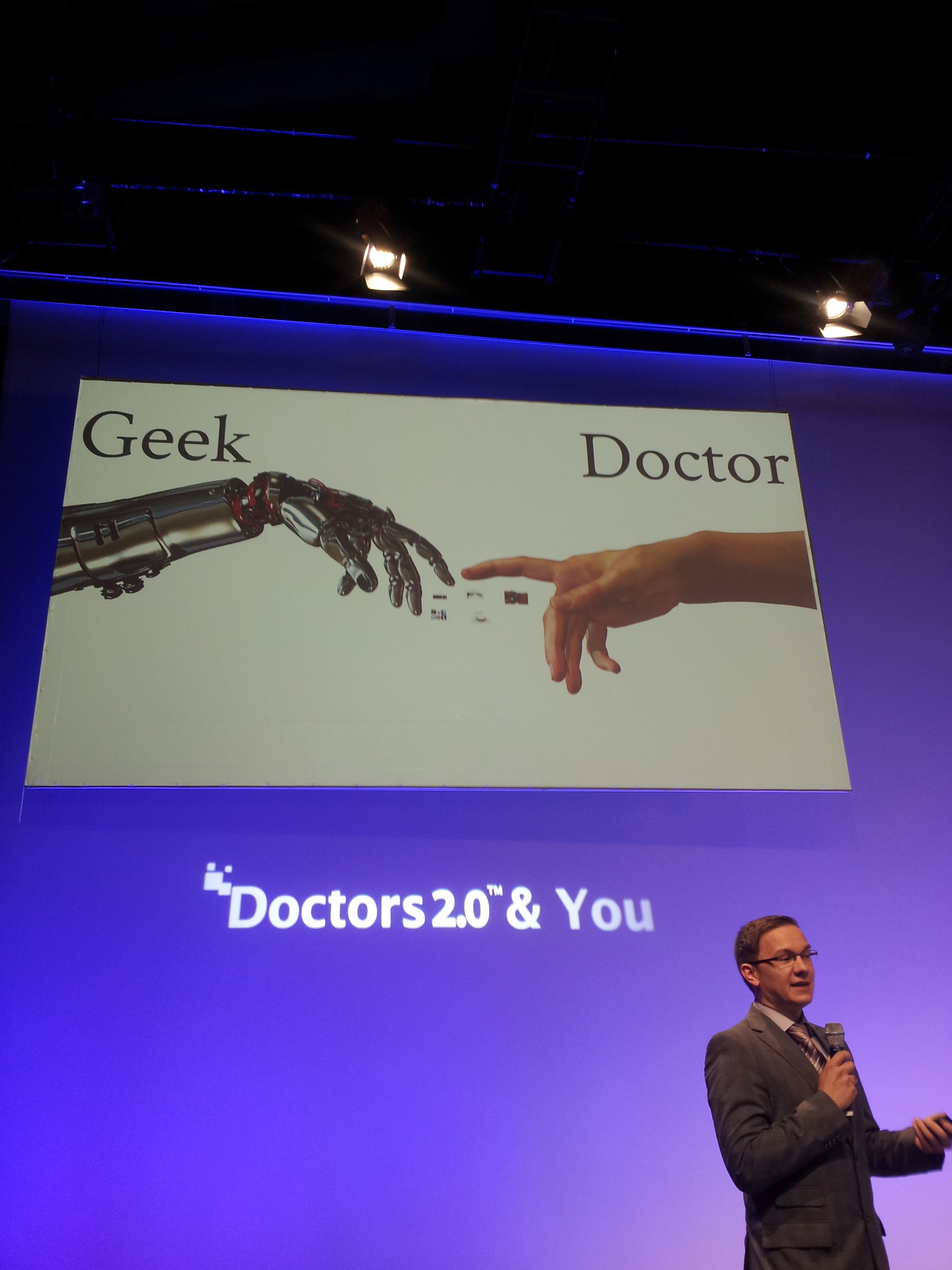
Dr. Berci Mesko delivers his keynote address on the future of medicine 2.0
The Doctors 2.0 agenda addresses the role of new technology in healthcare from healthcare social media best practice to innovative web 2.0 tools and mobile apps – crucially from both the doctor and patient perspective.
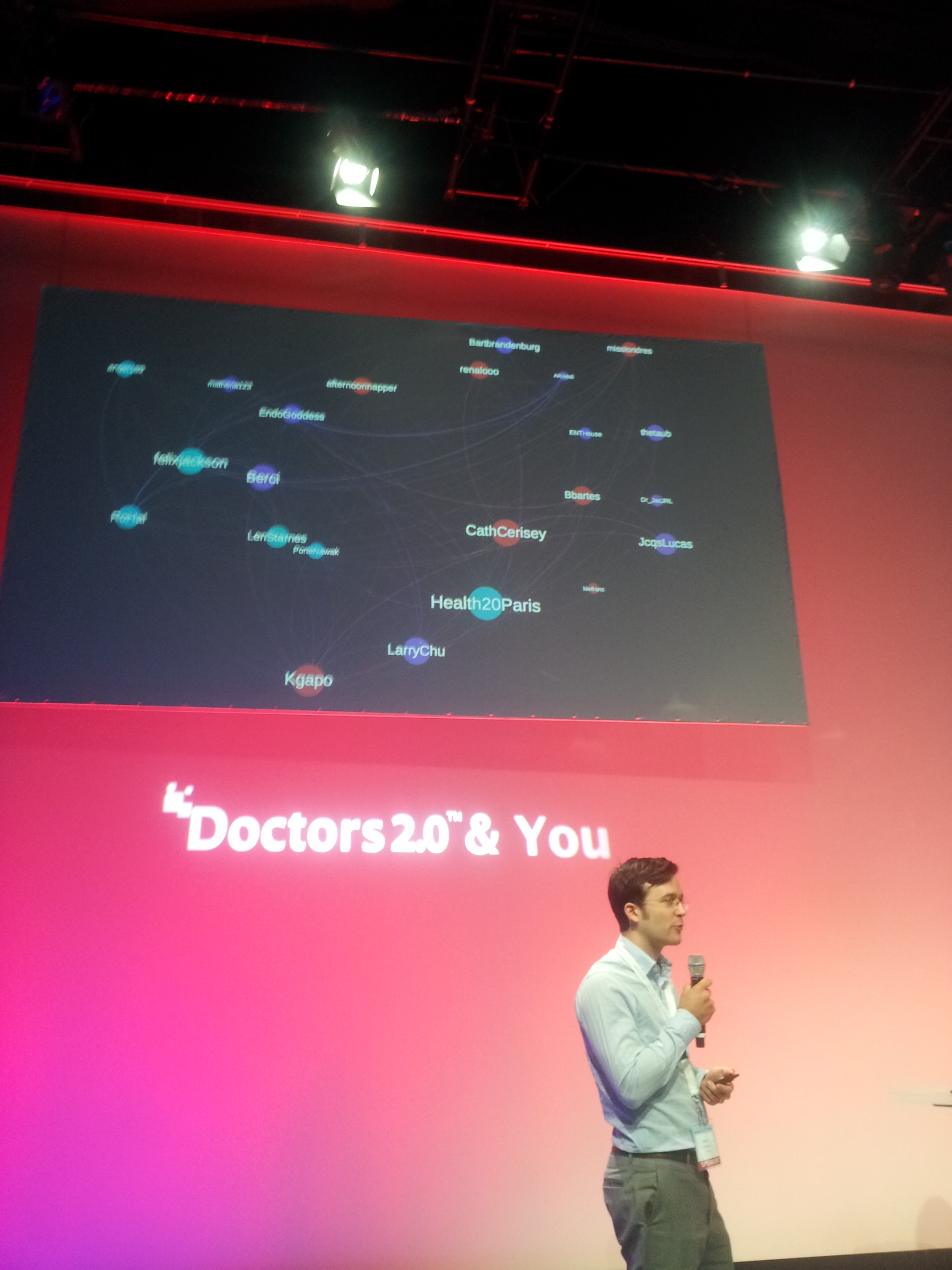
Audun Utengen presented findings on the healthcare hashtag project curated by Symplur
I was honored to be invited to speak on both days of the conference on the proof of healthcare social media (in the form of patient blogs and tweet chats) from the patient perspective.
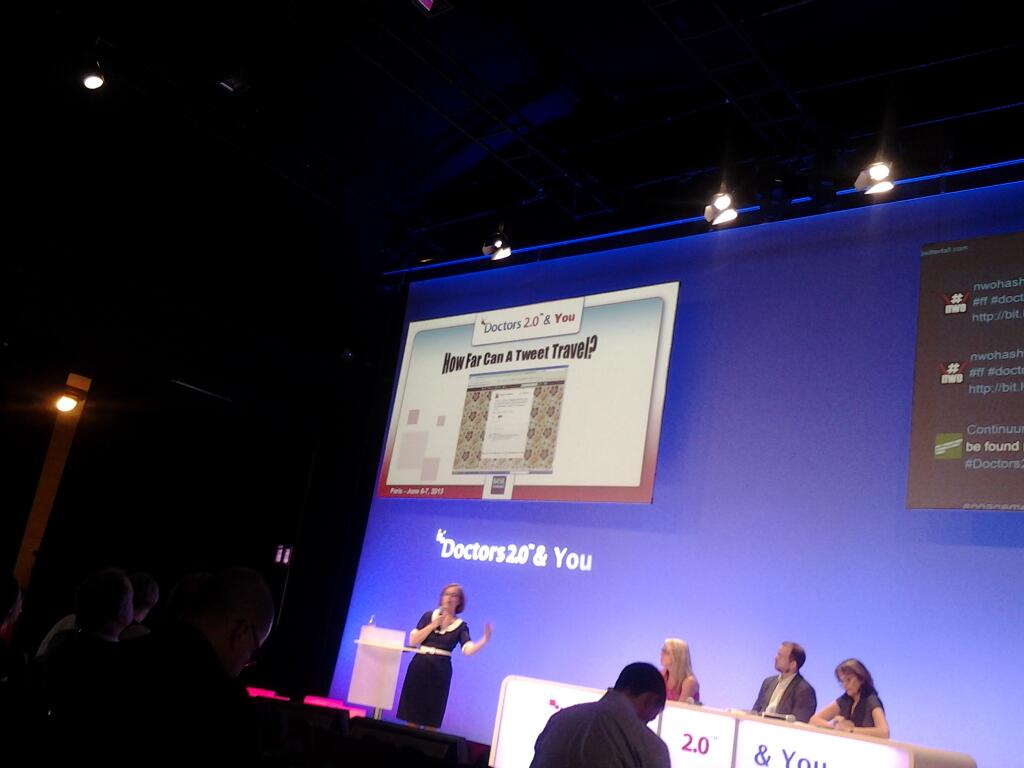
My plenary session on the power of healthcare Twitter chats
This was my first Doctors 2.0 & You experience and it truly surpassed all my expectations. It is so more than a conference – it is about the exchange of stimulating ideas, the spark of creativity and the illumination of inspiration, and above all the delightful coming together of old friends and the exciting creation of new partnerships. It is Doctors 2.o & You – the must-attend event of the year and an event you really shouldn’t miss.
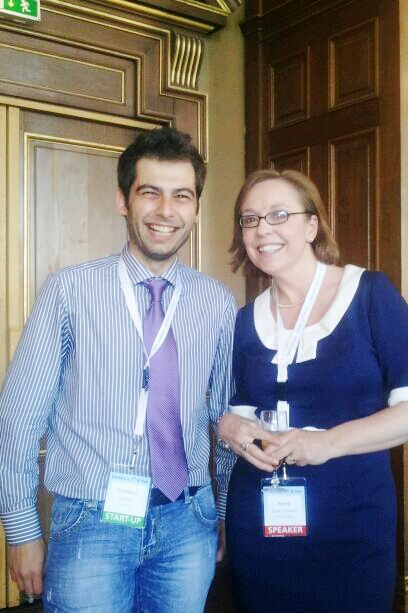
Making friends. With Dr Harris Lygidakis, GP and Co-founder of Lumos!, the online platform for medical collaborative studies
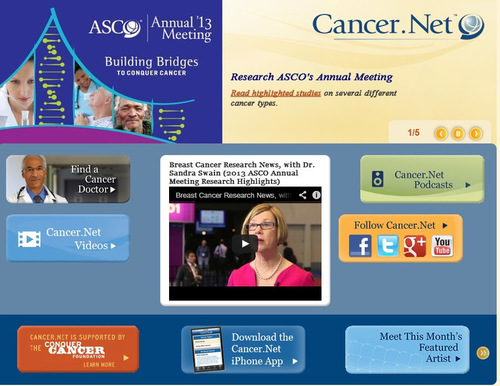
For those who have been actively tweeting during the 2013 American Society of Clinical Oncology (ASCO) Annual Meeting, Twitter may have made their 2013 ASCO experience a little different–researchers who did not know each other quickly started a conversation online, oncologists who missed a session found key data through a simple Twitter search, journalists realized it was so much easier to track down a spokesperson by sending a tweet, pharma companies were thrilled that resources dedicated to maintaining an active Twitter presence earned significant impressions.
Recently, a 26-year-old woman from Georgia came to my clinic to discuss her treatment options for her relapsed Hodgkin lymphoma. At the end of the visit, she said, “and by the way, I follow you on Twitter.” The clinic nurse and the medical oncology fellow were a bit surprised. Last week, another new patient came for a second opinion to discuss clinical trials for his refractory diffuse large cell lymphoma. His wife spoke with admiration of how they heard about me through social media, and how they became followers of my tweets (@DrAnasYounes) and medical posts on my facebook page (https://www.facebook. com/pages/Anas-Younes-MD). It is now well established that more than 60% of Americans get their health information online. Patients and their families read about their disease, learn about disease prognosis and standard treatment, search for physician, and research clinical trials. Patients and caregivers also exchange information on disease-related experiences, including treatment outcome, with others using a variety of social media outlets.
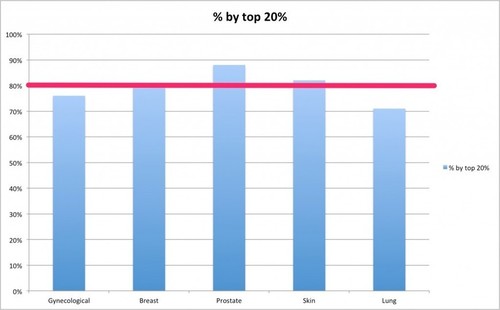
One of the key findings of the Social Oncology Report was that cancer conversations have become increasingly fragmented, specific and sophisticated.
Marie Ennis-O’Connor‘s insight:
This is the second in a series of 4 posts on the subject, which will hone in on conversations about breast cancer, gynecological cancers, prostate cancer, skin cancer, and lung cancer.
Finding reliable healthcare information on the Internet can be a real challenge. Much of the information I read online is oversimplified. On occasion, this information can be misleading or completely inaccurate.






 Health Care Social Media