Posted in #HCSM

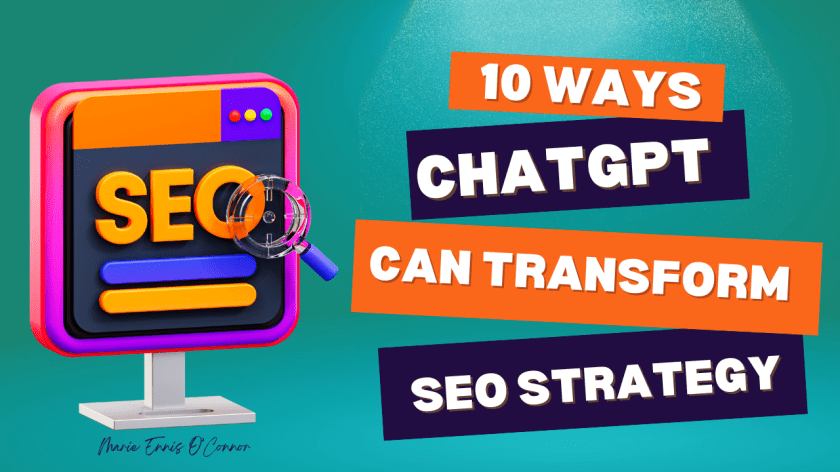
Boost Your Healthcare SEO with ChatGPT

Search engine optimization (SEO) is the key to getting your healthcare content noticed online. However, keeping up can feel overwhelming with constant algorithm updates and increasing competition for online visibility. With ChatGPT, you can simplify and enhance your SEO efforts across multiple fronts, from keyword research to content optimization.

Here are ten ways you can use ChatGPT to boost your healthcare SEO strategy.

1. Keyword Research

Keyword research is the foundation of SEO. ChatGPT lets you quickly generate relevant keyword ideas by entering prompts related to your topic. For example, a prompt like “Suggest primary and long-tail keywords for [topic]” will yield a list of potential keywords. Plus, it can generate keywords that appeal to different levels of user intent, helping you build a comprehensive strategy.

Example Prompt

“Suggest primary and long-tail keywords for healthy eating.”

ChatGPT Output

Primary Keywords

  1. Healthy eating
  2. Balanced diet
  3. Nutritional meals
  4. Clean eating
  5. Healthy recipes

Long-Tail Keywords

  1. Benefits of healthy eating for weight loss
  2. Easy healthy recipes for beginners
  3. How to start a balanced diet
  4. Nutritional meals for busy professionals
  5. Affordable healthy eating on a budget
  6. Foods to avoid for a clean eating lifestyle
  7. Healthy eating tips for families
  8. Meal prep ideas for a balanced diet
  9. Plant-based healthy eating guide
  10. Simple healthy snacks for work

Using Different Levels of User Intent

Search intent, also called user intent, is the purpose behind a user’s specific query in a search engine. It reflects the user’s goal, whether it’s to find information, locate a specific website, make a purchase, or investigate a topic.

Example Prompt

“Suggest keywords with different levels of search intent for healthy eating.”

Informational Keywords (users seeking information):

  • “What are the basics of healthy eating?”
  • “Healthy eating tips for beginners”
  • “Benefits of a balanced diet”

Navigational Keywords (users searching for specific sites or brands):

  • “Harvard healthy eating plate”
  • “CDC guidelines for healthy eating”
  • “American Heart Association diet recommendations”

Transactional Keywords (users ready to make a purchase or take action):

  • “Healthy eating meal prep service”
  • “Buy healthy eating cookbooks”
  • “Order healthy snacks online”

Further Reading: Avoid These Keyword Mistakes to Boost Your SEO Strategy

2. Generating Topic Ideas

Content marketing thrives on fresh, engaging topics. By feeding ChatGPT a general theme or area of interest, you can receive a variety of unique topic ideas. Prompts like “List 10 unique article ideas about [topic]” make brainstorming sessions faster and more productive.

Example Prompt

“List 10 unique article ideas about mental wellness.”

ChatGPT Output

  • “The Science Behind How Nature Affects Mental Wellness”
    Exploring the psychological and physiological benefits of spending time in nature and how it impacts mental health.
  • “10 Simple Daily Habits to Boost Mental Wellness”
    A listicle of easy-to-implement daily habits that contribute to improved mental well-being.
  • “Understanding the Link Between Sleep and Mental Health”
    Examining the role of quality sleep in maintaining mental wellness, plus tips for better sleep hygiene.

3. Creating Content Outlines

After you’ve selected your topic, you need to structure your content effectively. ChatGPT can help create a clear and logical outline by prompting it with something like “Outline a blog post on [topic].” This approach helps you map out sections, identify subtopics, and ensure a smooth flow in your articles, enhancing the overall readability and SEO potential.

Example Prompt

“Outline a blog post on ‘The Benefits of Mindfulness for Stress Management.’”

ChatGPT Output

Title: The Benefits of Mindfulness for Stress Management

Introduction

  • Brief overview of the impact of stress in modern life
  • Introduction to mindfulness as an effective tool for stress reduction
  • Thesis statement: Mindfulness offers powerful benefits for managing stress by enhancing awareness, promoting relaxation, and improving overall mental health

Section 1: Understanding Mindfulness

  • Definition of mindfulness
  • Brief history and origins of mindfulness practices
  • Explanation of how mindfulness works on a cognitive level to reduce stress

Section 2: The Science Behind Mindfulness and Stress Management

  • Overview of scientific studies supporting mindfulness for stress relief
  • Explanation of the impact of mindfulness on the brain, including the amygdala and prefrontal cortex
  • Benefits for both short-term stress relief and long-term resilience

Section 3: Key Benefits of Mindfulness for Stress Reduction

  • Improved Focus and Concentration: Mindfulness helps reduce distraction, which can alleviate feelings of overwhelm
  • Enhanced Emotional Regulation: Promotes emotional balance and reduces reactivity to stressful situations
  • Better Physical Health: Lowers blood pressure, reduces muscle tension, and improves sleep quality
  • Increased Self-Awareness: Helps individuals recognize stress triggers and patterns

Section 4: Simple Mindfulness Techniques for Managing Stress

  • Mindful Breathing: Explanation of technique and its benefits
  • Body Scan Meditation: Step-by-step guide for releasing physical tension
  • Mindful Walking: How this practice combines movement with mindfulness
  • Progressive Muscle Relaxation: Steps for reducing bodily stress

Section 5: Tips for Integrating Mindfulness into Daily Life

  • Suggestions for starting small, such as incorporating mindfulness into a morning routine
  • Tips for overcoming common challenges, like maintaining consistency
  • Encouragement to use mindfulness apps or join a local class

Conclusion:

  • Recap of mindfulness as an accessible, science-backed approach to managing stress.
  • Final thoughts on the importance of adopting mindfulness for mental and physical well-being.
  • Call to action: Try a mindfulness practice today to begin reaping its stress-reducing benefits.

4. Writing High-Quality Content

Using AI for content creation can save time, but it’s important to maintain quality. ChatGPT can help write portions of your content based on the outline you’ve created. Try asking for specific sections, such as “Write a 200-word introduction on [topic].” However, always review and edit to ensure accuracy and readability.

Further Reading: The Authenticity Advantage: Why You Should Prioritize Quality Over Quantity in Content Creation

5. Enhancing Readability and Engagement

Readability directly impacts SEO performance. ChatGPT can suggest simplified language, bulleted lists, or even analogies to make complex topics more approachable. You could prompt, “Rewrite this paragraph to be more conversational” or “Break this information down into bullet points.”

Click here to continue reading

Posted in #HCSM

Essential AI Terminology for Healthcare Professionals

Artificial intelligence (AI) is rapidly transforming the healthcare landscape, offering the potential to revolutionize diagnosis, treatment, and patient care. From AI-powered diagnostic tools to personalized treatment plans, the applications of this technology in healthcare are vast and promising.

However, the complex terminology surrounding AI can be a barrier for healthcare professionals seeking to understand and embrace these advancements. This glossary is designed to provide a clear and concise introduction to key AI terms. By familiarizing yourself with these essential concepts, you can gain a deeper understanding of the AI landscape and its implications for your practice.

  • Algorithm: A set of instructions or rules followed by a computer to perform a specific task or solve a problem.
  • Artificial Intelligence (AI): A broad field encompassing the development of computer systems capable of performing tasks that typically require human intelligence, such as learning, problem-solving, decision-making, and language understanding.  
  • AI Bias: Systematic errors in AI models that lead to unfair or inaccurate predictions, often due to biased training data or algorithmic design.
  • Clinical Decision Support (CDS): AI tools that assist healthcare professionals in making informed decisions about patient care by providing relevant information and recommendations.
  • Data Privacy and Security: The protection of sensitive patient information from unauthorized access or misuse, crucial in the context of AI applications in healthcare.
  • Deep Learning: A type of ML that utilizes artificial neural networks with multiple layers to analyze complex patterns in large datasets, often used for image and speech recognition.
  • Ethical Considerations: The responsible and ethical development and deployment of AI in healthcare, ensuring patient safety, privacy, and fairness.
  • Explainable AI (XAI): The ability to understand and interpret the reasoning behind an AI model’s decisions, crucial for building trust and ensuring transparency in healthcare.
  • Machine Learning (ML): A subset of AI that focuses on algorithms enabling systems to learn from data and improve their performance on specific tasks without being explicitly programmed.
  • Model: An AI system trained on data to perform a specific task, such as diagnosing diseases or predicting patient outcomes.
  • Natural Language Processing (NLP): A field focusing on the interaction between computers and human language, enabling tasks like text analysis, translation, and chatbots.
  • Neural Network: A computing model inspired by the human brain, composed of interconnected nodes (neurons) that process and transmit information, enabling pattern recognition and learning.
  • Precision Medicine: The tailoring of medical treatment to individual patients based on their genetic, environmental, and lifestyle factors, often aided by AI analysis of large datasets.
  • Predictive Analytics: The use of AI to analyze patient data and predict future events, such as disease progression or readmission risk.
  • Training Data: The dataset used to teach an AI model to recognize patterns and make predictions.
  • AI-Enabled Medical Devices: Devices that incorporate AI algorithms to enhance their functionality, such as diagnostic imaging equipment or wearable health monitors.

You may also be interested in reading this publication which I co-authored.

Charting the future of patient care: A strategic leadership guide to harnessing the potential of artificial intelligence

Posted in #HCSM, SEO

What’s the Optimal Content-Length for Healthcare SEO?

SEO encompasses a range of strategies and techniques aimed at improving a website’s ranking in search engine results pages (SERPs) like Google. In essence, it’s about making your website more discoverable when users search for information related to your products, services, or industry. Content length, the focus of this article, is one of the many factors that can influence your SEO performance.

The Myth of a One-Size-Fits-All Solution

The notion that a specific word count is the key to SEO success is a misconception. The ideal content length varies based on multiple factors, including:

  • Medical Specialty and Topic Complexity: Complex medical procedures, treatments, or conditions often necessitate longer, more in-depth content to adequately educate patients, address their concerns, and build trust. Simpler health topics might be effectively covered in shorter formats.
  • Target Audience and Search Intent: Understanding your audience’s needs and the intent behind their searches is crucial. If users are seeking quick answers about symptoms or basic health information, concise content may suffice. However, if they are researching a specific condition, treatment options, or seeking expert advice, longer, more comprehensive articles may be preferred.
  • Competition: Analyze your competitors’ content to understand the prevailing content length and depth in your healthcare niche. Strive to provide something unique and valuable that sets you apart.
  • Platform and Format: Adapt your content length to different platforms and formats. Social media posts might be best suited for brief health tips or awareness campaigns, while blog posts and articles allow for in-depth discussions of medical topics.

The Sweet Spot: A General Guideline

While no hard and fast rule exists, research indicates that content within the 2,000 to 3,000-word range often performs well in search engine rankings. This range offers enough space to delve into topics comprehensively, address user queries thoroughly, and incorporate relevant keywords naturally. However, it’s important to remember that this is just a guideline. The optimal length ultimately depends on the factors discussed earlier. Prioritizing quality and relevance remains paramount.

Long Vs Short Term Content

Long-form content (1,000+ words) is ideal for detailed articles, guides, and white papers, allowing you to explore complex subjects, share valuable insights, and demonstrate expertise. The extended format provides ample opportunity to incorporate keywords organically and establish topical authority, boosting your search engine visibility.

Short-form content (300–600 words) is perfect for social media posts, concise blog updates, and email newsletters. Its brevity ensures quick, impactful communication and encourages sharing.

The ideal content length depends on your goals and platform. Long-form content builds authority and educates, while short-form content engages quickly and is highly shareable. However, rather than focusing on word count, focus on delivering in-depth, valuable content that thoroughly covers your chosen topic. Aim to become the go-to resource for users seeking information in your niche. Answer potential questions, provide actionable insights, and showcase your expertise.

Keyword Optimization: A Balancing Act

Incorporating relevant medical keywords is essential for healthcare SEO. Include your primary target keywords and related terms naturally throughout your content to signal its relevance to search engines.

However, avoid keyword stuffing, which can negatively impact user experience and harm your SEO efforts. Strive for a balance between keyword optimization and readability. Ensure your content is clear, informative, and empathetic towards patient concerns.

Further Reading: Avoid These Keyword Mistakes to Boost Your SEO Strategy

Quality Trumps Quantity in Healthcare Content

In healthcare marketing, providing accurate, reliable, and compassionate information is critical. Create engaging, informative content that resonates with your audience and addresses their health concerns.

  • Focus on Patient Education: Empower patients with knowledge about their conditions, treatment options, and preventive measures. Use clear language and avoid medical jargon.
  • Build Trust and Credibility: Establish yourself as a trusted healthcare resource by providing evidence-based information and showcasing your expertise. Use patient testimonials, case studies, and certifications to build credibility.
  • Show Empathy and Compassion: Acknowledge the emotional aspect of health issues and express empathy towards your audience. Offer support and encouragement throughout their healthcare journey.

Key Takeaway

In healthcare marketing, prioritize creating high-quality, informative, and empathetic content that aligns with your audience’s needs and search intent. Focus on providing value, building trust, and establishing your authority as a reliable healthcare resource. Content length is just one tool to achieve these goals; quality, relevance, and user satisfaction are the ultimate indicators of success.

Posted in #HCSM

How To Create an Email Marketing Welcome Sequence For Your Healthcare Practice

Welcome back to Part 3 of this series on email marketing for your healthcare practice. In Part 1, we explored why email marketing is an excellent tool for patient engagement and communication, and we discussed the key factors to consider when choosing your email marketing platform. In Part 2, we discussed how to build an email list that is robust and engaging. The third part of our series will look at how email marketing can help you build relationships with your patients, specifically focusing on creating an email marketing welcome sequence.

Understanding the Power of the Welcome Sequence

A welcome sequence is a series of automated emails triggered when a new patient joins your email list. This is your first opportunity to make a positive impression on new patients, set the tone for future communication, and lay the foundation for a trusting and loyal relationship.

Here are some ideas for the welcome sequence of emails:

  • Express gratitude: Thank the patient for choosing your practice.
  • Introduce your practice and team: Showcase your values, mission, and the faces behind your care.
  • Provide essential information: Share contact details, location, hours, and insurance/billing procedures.
  • Educate and engage: Offer valuable health tips, highlight services, and encourage further interaction.

How to Create an Effective Welcome Sequence

A well-structured welcome sequence typically consists of 3-5 emails, strategically spaced out over a few days or weeks.

Here’s a breakdown of key elements for each email:

  • Email 1: The Warm Welcome
    • Express your gratitude for their trust.
    • Briefly introduce your practice and its mission.
    • Set expectations for future communication.
  • Email 2: Getting to Know You
    • Provide essential practice information.
    • Guide patients on accessing the patient portal (if applicable).
    • Address frequently asked questions.
  • Email 3: Showcasing Your Expertise
    • Share valuable health tips or educational content.
    • Highlight your key services and specialties.
    • Introduce your team members.

Key Considerations for Success

To maximize the impact of your welcome sequence, keep these points in mind:

  • Personalization: Address patients by name and tailor content to their interests or needs whenever possible.
  • Visually appealing design: Use clean layouts, high-quality images, and consistent branding.
  • Mobile-friendliness: Ensure your emails look great on all devices.
  • Clear calls to action: Each email should have a clear and concise call to action (e.g., “Book an Appointment,” “Learn More”).
  • Testing and optimization: Analyze open rates, click-through rates, and conversions to refine your sequence over time.

Stay tuned for Part 4 of this series, where we’ll explore how to leverage email for effective patient education and engagement.

Be sure to subscribe to our mailing list so you don’t miss Part 4 of our series and the valuable insights it holds for your healthcare email marketing success!

Posted in #HCSM

Healthcare Blogging: A 10-Point Checklist for Success

Blogging has become a uniquely effective tool in healthcare marketing. By offering valuable information and addressing common concerns, healthcare organizations can build lasting relationships with their audience. Additionally, the SEO benefits of blogging enhance online visibility, ensuring that your message reaches those actively seeking answers and solutions.

This 10-point checklist will guide you in creating engaging and impactful blogs that drive success.

1. Research Keywords

Keywords act as the bridge between your content and the patients seeking information. By understanding and incorporating the right keywords, you ensure your blog posts appear in search results when potential patients are looking for healthcare solutions.

  • Start with Seed Keywords: These are broad terms that define your healthcare niche (e.g., “pediatric care,” “diabetes management,” “mental health resources”).
  • Use Keyword Research Tools: Tools like Google Keyword Planner, Ahrefs, or SEMrush help uncover specific terms patients use (e.g., “best pediatrician near me,” “symptoms of diabetes,” “anxiety coping mechanisms”).
  • Assess Search Volume and Competition: Target keywords with reasonable search volume and manageable competition.
  • Analyze Competitor Keywords: See what terms other healthcare providers are targeting for insights.
  • Refine Your List: Choose keywords that align with your services and have a good balance of search volume and competition.
  • Keyword Integration: Seamlessly incorporate keywords into your content, prioritizing a natural flow and helpful information.

Further Reading: Avoid These Keyword Mistakes to Boost Your SEO Strategy

2. Optimize for Search Engines

Search Engine Optimization (SEO) is about making your blog discoverable by search engines and potential patients. The higher your content ranks, the more likely patients will find you when they need your services.

  • Meta Titles: Craft clear, keyword-rich titles that entice clicks in search results (e.g., “5 Tips for Managing Childhood Asthma”).
  • Meta Descriptions: Write concise summaries that accurately reflect your content and encourage clicks.
  • Internal Linking: Connect related blog posts to guide readers and demonstrate expertise.
  • Quality Content: Focus on providing valuable, evidence-based information that addresses patient needs.
  • Mobile Optimization: Ensure your blog looks and functions well on all devices for a positive user experience.

Further Reading: Boost Your SEO and Readability with This Free Tool

3. Create Compelling Headlines

Your blog’s headline is the first thing readers see, whether in search results, social media shares, or email newsletters. Think of your headline as a hook — it needs to pique curiosity, promise value, and compel readers to want to read your content.

  • Grab attention: Use strong verbs and compelling language.
  • Promise value: Clearly indicate what the reader will gain.
  • Incorporate keywords: Help readers find your content in search results.
  • Keep it concise: Aim for clarity and impact.

Bonus Tip: Use a tool like the Headline Analyzer From CoSchedule to help you craft your headlines. It analyzes various factors and gives you a score, making it easier to create headlines that resonate with your audience.

Further Reading: 10 Proven Tips for Creating Irresistible Headlines

4. Guide Readers with Subheadings

Subheadings are like signposts within your blog post. They break down your content into digestible chunks, making it easier for readers to scan and navigate. Not only do they enhance readability, but they’re also important for SEO. Search engines use subheadings to understand your content’s structure and relevance.

How To Incorporate Subheads

  • Content Outline: Start by creating an outline of your blog post. Identify the main sections and key points you want to cover. This will serve as the foundation for your subheads.
  • Informative and Descriptive: Subheads should be informative and descriptive, providing a clear indication of the content that follows. Use keywords relevant to the section to improve SEO.
  • Hierarchy: Organize your subheads in a logical hierarchy. Use different levels of headings (H1, H2, H3, etc.) to denote primary and secondary sections, helping readers understand the content’s structure.

5. Enhance Clarity and Accessibility

Bloggers write for diverse audiences, including people with different reading levels. The Flesch Reading Ease Score is a helpful tool to gauge if your content is easy to understand. This score measures the complexity of your writing based on sentence length and word difficulty. Scores range from 0 to 100, with higher scores being easier to read.

– 90–100: Very easy to read (e.g., 8th-grade level and below).
– 60–70: Standard readability (e.g., high school level).
– 30–50: Fairly difficult (e.g., college level).
– 0–30: Very difficult (e.g., graduate school level).

If your score is low, simplify your writing. Use shorter sentences, simpler words, and clear sentence structure. This helps ensure everyone can enjoy your blog.

6. Use Proper Formatting

Proper formatting, which includes elements such as bullet points, lists, and heading tags, is more than just aesthetics; it’s an essential aspect of enhancing the readability and accessibility of your blog content.

Elements of Proper Formatting

  • Bullet Points: Bullet points are excellent for breaking down complex information into digestible chunks. They allow you to list items, ideas, or steps in a clear and organized manner.
  • Numbered Lists: Numbered lists are effective for conveying sequences or providing instructions. They help readers follow a logical progression of ideas.
  • Heading Tags: Incorporate heading tags to provide structure and hierarchy to your content. Use H1 for the main title, H2 for subsections, and so on.

7. Add Visual Appeal

Visual content, including images, graphics, and videos, adds an extra layer of engagement to your blog posts. Visuals break up the monotony of text, making your content more scannable and engaging. Moreover, content that includes eye-catching visuals tends to be shared more frequently on social media platforms, extending your blog’s reach and influence.

Types of Visual Content

  • Images: High-quality photos, illustrations, or infographics enhance your blog’s visual appeal.
  • Infographics: Present data, statistics, or complex information in a visually engaging way.
  • Videos: Embedded or hosted videos offer a dynamic and interactive experience.
  • Graphics: Charts, graphs, icons, and illustrations enhance visual storytelling.

Steps for Incorporating Visual Content

  • Graphics: Identify Visual Opportunities: Determine where visuals can enhance your blog.
  • Create or Source Visuals: Design them yourself, hire a designer, or use royalty-free options.
  • Optimize Visuals: Resize and compress images for faster loading.
  • Add Alt Text: Describe images for accessibility and SEO. Be specific, not generic.
  • Integrate Visuals: Place them strategically to break up text and highlight points.
  • Attribution and Licensing: Follow guidelines for any visuals requiring attribution or licensing.

Further Reading: Social Media Graphics: 3 Ways To Make Them Pop!

8. Always Proofread

Proofreading is the final essential step before publishing your blog post. Here’s how to ensure your writing is error-free.

  • Print It Out: Reading on paper can help you spot errors you might miss on screen.
  • Read Aloud: Catch awkward phrasing and grammatical issues.
  • Focus on One Issue at a Time: Tackle spelling, grammar, and punctuation separately.
  • Use Online Tools: Grammarly and similar tools can catch common mistakes.
  • Check for Consistency: Ensure spelling, formatting, and style are consistent throughout.
  • Pay Attention to Punctuation: Commas, periods, semicolons — they all matter.
  • Address Grammar: Subject-verb agreement, tenses, sentence structure.
  • Watch for Homophones: “Their,” “there,” and “they’re” are not interchangeable.
  • Verify Facts and Data: Double-check any statistics or information you include.
  • Test Links: Make sure all hyperlinks lead to the correct pages.

9. Promotion and Distribution Strategies

Even the best blog posts need promotion to reach their audience. Here are some effective strategies to ensure your blog gets seen.

  • Social Media: Share posts on platforms your target audience uses. Use catchy captions, relevant hashtags, and encourage sharing.
  • Email Marketing: Send newsletters to subscribers with links to your latest posts. Personalize emails and use compelling subject lines.
  • Content Syndication: Republish posts on platforms like Medium or LinkedIn to reach a wider audience.
  • Guest Blogging: Write for other healthcare blogs to expand your reach.
  • Paid Advertising: Consider targeted ads on social media to reach specific audiences.
  • Content Updates: Refresh and republish older posts to keep them relevant.

10. Measuring Your Blog’s Success

Analytics and performance tracking are essential for understanding what’s working on your blog and what needs improvement.

  • Setting Up Analytics Tools: Use tools like Google Analytics to collect data.
  • Defining Key Performance Indicators (KPIs): Determine the metrics most important for your goals (e.g., traffic, bounce rate, conversions).
  • Regular Reporting: Schedule weekly or monthly reports to analyze data and spot trends.
  • A/B Testing: Experiment with different elements to see what works best.
  • Referral Tracking: Identify your traffic sources to optimize promotion efforts.

Further Reading: Content Marketing Metrics You Should Actually Care About


If you enjoyed reading this article or have any additional questions or experiences to share, I’d love to hear from you! Please leave a comment below and let me know what resonated most with you or if there are any specific topics you’d like me to cover in future articles.

Posted in #HCSM

Building Your Healthcare Email List – The Foundation of Your Email Marketing Success

Welcome back to Part 2 of this series on email marketing for healthcare practices. In Part 1, we explored why email marketing is an excellent tool for patient engagement and communication, and we discussed the key factors to consider when choosing your email marketing platform. Now that you’ve laid the groundwork, it’s time to focus on the next step of your email marketing strategy – building a robust and engaged email list.

In this post, we’ll share practical strategies for attracting and converting potential patients into loyal subscribers. You’ll learn how to leverage your existing patient base, optimize your website for lead generation, and harness the power of social media to expand your reach. We’ll also cover the importance of compliance with data privacy regulations like HIPAA and GDPR to ensure your email marketing efforts are both effective and ethical.

1. Engage Your Existing Patients

Your current patients are your most valuable asset when it comes to building an engaged email audience. They already know and trust your practice, making them prime candidates for becoming loyal subscribers. While digital strategies are essential, don’t underestimate the power of in-person interactions to build your email list.

Strategic Placement of Sign-Up Sheets

Waiting Room: Position sign-up sheets on tables or clipboards in your waiting room. Make them eye-catching with a clear headline like “Sign Up for Our Email Newsletter for Exclusive Health Tips!”

Reception Desk: Place a sign-up sheet at the reception desk and encourage staff to offer it to patients while checking in or out.

Exam Rooms: If appropriate, consider having a sign-up sheet or a tablet with a digital form available in exam rooms.

Tips

Keep it Simple: The sign-up sheet should be easy to read and fill out quickly. Only ask for essential information (name and email).

QR Codes: Add a QR code to your sign-up sheet that links directly to your online sign-up form for those who prefer to subscribe digitally.

Track Results: Keep track of how many sign-ups you receive from each location to identify the most effective spots.

2. Turn Website Visitors into Subscribers

Your website is a powerful tool for attracting new patients and growing your email list. Add a sign up form to encourage more subscribers.

Keep it Simple: As previously stated, ask for only the essential information – typically just name and email address. The fewer fields, the less friction for the user.

Clear Headline: Use a concise headline that communicates the value of subscribing (e.g., “Get Free Health Tips,” “Stay Informed About the Latest Medical News”).

Compelling Call to Action (CTA): Use strong verbs and persuasive language to encourage sign-ups (e.g., “Sign Me Up,” “Yes, I Want Health Tips!”).

Visually Appealing: Use contrasting colors and clean design to make the form stand out.

Mobile-Friendly: Ensure the form is easy to use on mobile devices, as many visitors will be accessing your site from their phones.

Privacy Assurance: Briefly mention your commitment to privacy (e.g., “We respect your privacy”) to alleviate concerns.

Where to Place Sign-Up Forms

Blog Sidebar or Below Posts: If you have a blog, include a sign-up form within the sidebar or at the end of each post to capture engaged readers.

Website Homepage: Feature a sign-up form prominently “above the fold” (the visible area without scrolling) to ensure immediate visibility. Consider using a pop-up or slide-in form for added emphasis.

Website Footer: The footer is a consistent location across your website, making it an ideal spot for a subtle yet accessible sign-up form.

3. Create Compelling Lead Magnets

One of the best ways to build your list of subscribers is to offer something of value upfront related to the value of your offering. This email incentive known as an opt-in offer or a lead magnet is something you are willing to give away for free, requiring people to provide an email address to download. These free resources serve as a “hook” to capture contact information, specifically email addresses, while delivering immediate value to your audience.

Types of Lead Magnets

  • eBooks: Offer comprehensive guides on specific health conditions, treatment options, or preventive care strategies.
  • Checklists: Provide step-by-step checklists for managing chronic conditions, preparing for appointments, or maintaining a healthy lifestyle.
  • Webinars: Host live or recorded webinars on relevant health topics, featuring expert insights and Q&A sessions.
  • Templates or Worksheets: Create downloadable templates for tracking health data, meal planning, or exercise routines.
  • Discounts or Free Consultations: Offer a limited-time discount on a specific service or a free consultation to new patients who sign up.

3. Promoting Your Lead Magnets

Once you’ve created your lead magnet, you will want to promote it.

Pop-Ups: Use website pop-ups to capture the attention of visitors and promote your lead magnet. Consider exit-intent pop-ups that appear when visitors are about to leave your site.

Banners: Place eye-catching banners on your homepage or relevant landing pages that link directly to your lead magnet.

Facebook: A Facebook sign-up tab is a dedicated section on your Facebook business page where visitors can easily subscribe to your email list. If you don’t already have one, select an email marketing platform that offers Facebook integration. Many providers offer free plans for smaller lists. Follow your email provider’s instructions to connect the landing page or form to your Facebook business page. This usually involves copying and pasting a code snippet.

X (Twitter): Your Twitter bio is one of the most visible elements of your profile. Including a direct link to your lead magnet in your bio creates an immediate opportunity for potential patients to engage with your practice and join your email list. Also, consider pinning a tweet containing your lead magnet. A pinned tweet is a tweet that you manually select to stay at the top of your Twitter profile’s timeline. This prominent positioning ensures that it’s the first tweet visitors see, making it an ideal spot to showcase your lead magnet.

Instagram: Like your Twitter bio, your Instagram bio serves as prime real estate for attracting potential patients. While Instagram only allows one clickable link in the bio, it’s a crucial opportunity to direct traffic and grow your email list. By strategically incorporating your lead magnet link, you can turn profile visitors into subscribers and, ultimately, patients.

LinkedIn: LinkedIn is the premier platform for professional networking and a valuable space to attract potential patients. While LinkedIn doesn’t offer a direct link in the profile like Twitter and Instagram, you can pin a post or article that prominently features your lead magnet and includes a call-to-action (CTA) with a clickable link.

4. Compliance is Key

As a healthcare provider, adhering to data privacy regulations like HIPAA and GDPR is crucial. Ensure your email marketing practices are compliant by:

Obtaining Explicit Consent: Always get explicit consent from individuals before adding them to your email list. Make it clear how you will use their data and allow them to opt out easily.

Protecting Patient Data: Store email addresses and personal information securely and only use them for the purposes stated in your privacy policy.

Transparency and Control: Provide subscribers with clear instructions on how to manage their email preferences and unsubscribe from your list.

Crafting Engaging Healthcare Emails That Get Results (Part 3)

In our next installment, we’ll explore:

  • The Power of Subject Lines: Discover how to write subject lines that entice recipients to open your emails.
  • Compelling Content Creation: Learn the secrets to crafting informative, relevant, and valuable content that keeps your audience engaged.
  • Visual Storytelling: Explore the use of images, videos, and infographics to make your emails visually appealing and shareable.
  • Calls to Action that Convert: Master the art of crafting clear and persuasive calls to action that drive clicks and appointments.
  • Personalization & Segmentation: Discover how to tailor your emails to specific segments of your audience for maximum impact.

Don’t miss Part 3 of this essential series, where we’ll unlock the full potential of your healthcare email marketing strategy. Your journey towards stronger patient relationships and a thriving practice continues!

Be sure to subscribe to our mailing list so you don’t miss Part 3 of our series and the valuable insights it holds for your healthcare email marketing success!

Posted in #HCSM

How To Get Started with Email Marketing For Your Healthcare Practice

Welcome to my new blog series dedicated to the power of email marketing for your healthcare practice. Over the next several installments, we’ll look at strategies, tactics, and best practices that can transform your email list into a powerful engine for patient engagement, loyalty, and growth.

In this first installment, we’ll explore why email is such a valuable tool for healthcare providers, and walk you through the initial steps to build a foundation for success.

Why Email Marketing Matters for Healthcare

  • Owned and Controlled: Unlike social media algorithms or search engine rankings, you own your email list. These are your contacts, and they’ve given you permission to reach them directly.
  • Builds Trust: Regular, informative emails position your practice as a trusted source of health expertise, a critical factor in the healthcare industry.
  • Personalized Connection: Email allows for tailored communication, addressing individual patient needs and interests.
  • Drives Engagement: Targeted campaigns can motivate patients to schedule appointments, participate in screenings, or access educational resources.
  • Extends Word-of-Mouth: If you were asked where most of your new patients come from, you’d likely say “word-of-mouth.” Effective email marketing can amplify this word-of-mouth, encouraging satisfied patients to share your messages and refer friends and family.
  • Stays Top-of-Mind: Consistent, valuable emails keep your practice at the forefront of patients’ minds, so when they or someone they know needs your specific type of care, you’re the first provider they think of.

Choose Your Platform

Selecting the right email marketing platform is a key first step in your email marketing Your chosen platform will serve as the backbone of your communication efforts, so it’s important to choose one that aligns with your specific needs and budget.

Key Factors to Consider

1. HIPAA and GDPR Compliance

Your chosen platform must adhere to both HIPAA (for US patient data) and GDPR (for EU patient data) regulations. Look for platforms that offer:

  • Explicit Consent: Tools for obtaining clear and unambiguous consent from individuals before adding them to your email list.
  • Data Processing Agreements (DPAs): Contracts with your email service provider outlining their responsibilities regarding data protection.
  • Right to Access and Erasure: Easy mechanisms for individuals to access their data or request its deletion.

2. Ease of Use

You don’t need to be a tech whiz to create effective email campaigns. Opt for a platform with an intuitive interface and drag-and-drop editors that simplify the process of designing and sending emails.

3. Features and Functionality

Consider the features that are most important to your practice. Do you need advanced automation capabilities, robust analytics, or the ability to create personalized landing pages? Different platforms offer varying levels of functionality, so choose one that aligns with your goals and budget.

4. Scalability

If you anticipate your email list growing significantly, choose a platform that can accommodate that growth without a major increase in cost or complexity.

5. Pricing

Email marketing platforms come with various pricing structures, often based on the size of your email list or the features you select. Determine your budget and compare pricing plans from different providers to find the best value for your needs.

6. Customer Support

Technical issues can arise, even with the most user-friendly platforms. Ensure the provider you choose offers reliable customer support through email, phone, or live chat, so you can quickly get assistance when needed.

Popular Email Marketing Platforms for Healthcare Providers

  • Mailchimp: A widely used platform with a free plan for smaller lists and a range of features for growing practices.
  • Brevo (formerly Sendinblue): A cloud-based marketing platform particularly well-suited for small to medium-sized businesses.
  • MailerLite: A popular email marketing platform known for its simplicity and affordability.
  • ActiveCampaign: A comprehensive marketing automation platform that offers a wide range of features beyond email marketing, including CRM (Customer Relationship Management), marketing automation, and lead scoring.
  • Constant Contact: Known for its user-friendly interface, robust email templates, and strong customer support.
  • Paubox: Specializes in HIPAA-compliant email marketing for healthcare providers, offering seamless encryption and secure communication.

Choosing the Best Option for Your Practice

The best email marketing platform for your practice will depend on your specific needs, budget, and technical expertise. Take the time to research different providers, compare features and pricing, and consider trying out free trials to get a feel for the interface and functionality.

Building Your Healthcare Email List – The Foundation of Your Email Marketing Success (Part 2)

In our next post, we’ll uncover effective strategies for gathering email addresses from a variety of sources, including:

  • Your Existing Patients: Discover creative ways to encourage current patients to sign up for your emails, both online and in-person.
  • Website Visitors: Learn how to optimize your website to capture leads and convert casual visitors into subscribers.
  • Social Media Followers: Leverage the power of social media to promote your email list and attract new subscribers.

We’ll also share tips for creating enticing lead magnets, designing compelling sign-up forms, and ensuring your list-building practices comply with HIPAA and GDPR regulations.

Be sure to subscribe to our mailing list so you don’t miss Part 2 of our series and the valuable insights it holds for your healthcare email marketing success!

Posted in #HCSM

Motivations for Seeking Online Health Information: Insights from Uses and Gratifications Theory

Millions of people turn to the web daily to research symptoms, understand medical conditions, and seek support from online communities. But what drives this behavior? The Uses and Gratifications Theory provides us with some insights into why individuals seek online health information and the benefits they derive from it.

What Is The Uses and Gratifications Theory?

The Uses and Gratifications Theory (UGT) is a communication theory that focuses on how and why people actively seek out specific media to satisfy their needs and wants. Unlike traditional theories that view audiences as passive recipients of media messages, UGT emphasizes the active role of individuals in selecting and using media content.

In the context of online health information, UGT suggests that people are not passive recipients of information, but rather active seekers driven by various motivations, aiming to fulfill specific gratifications. This approach underscores the importance of understanding individual motivations and the diverse ways people interact with online health resources.

Motivations for Seeking Online Health Information

Information Seeking
Information seeking is the most common motivation for individuals turning to the internet for health-related content. People often seek online health information to better understand their own health concerns or those of loved ones. They may want to learn about symptoms, diagnoses, treatment options, or simply gain a broader understanding of a medical issue. This motivation is driven by the desire for clarity and knowledge, which can be crucial in making informed health decisions.

Social Support
Online platforms, such as forums and social media groups, offer a sense of community and belonging for those facing health challenges. Individuals can connect with others who have similar experiences, share stories, offer advice, and receive emotional support. This virtual support network can be invaluable, particularly for those who may not have access to in-person support groups.

Convenience
The internet provides quick and easy access to a vast amount of health information, making it more convenient than scheduling doctor’s appointments or visiting libraries. With just a few clicks, individuals can access a wide range of resources at any time of day, fitting into their busy schedules without the need for travel or waiting times.

Privacy and Anonymity
The internet allows individuals to explore sensitive health topics without the fear of judgment or stigma. They can ask questions and seek information anonymously, which can be especially appealing for those dealing with embarrassing or personal health issues. This sense of privacy encourages more open exploration and inquiry, enabling individuals to address concerns they might otherwise avoid.

Second Opinions
Online resources can offer different perspectives and treatment options, allowing individuals to compare information and make more informed decisions about their healthcare. This is particularly beneficial when considering complex or serious medical conditions, as it empowers patients to explore alternatives and seek a broader range of expert opinions.

Gratifications from Seeking Online Health Information

Increased Understanding and Empowerment
Learning about health issues can alleviate anxiety, reduce uncertainty, and empower individuals to take control of their health. By gaining a deeper understanding of their conditions, individuals feel more confident in communicating with healthcare professionals and participating actively in their treatment plans.

Emotional Support and Connection
Connecting with others who are experiencing similar health challenges can provide comfort, empathy, and a sense of solidarity. These connections help reduce feelings of isolation and offer emotional reassurance, which is essential for mental well-being during challenging health journeys.

Practical Guidance
Online information can help individuals make informed decisions about their healthcare, including choosing providers, managing symptoms, and coping with treatment side effects. This practical guidance equips individuals with actionable steps, helping them navigate the complexities of healthcare systems and personal health management.

Cost and Time Savings
Accessing information online can save time and money compared to traditional methods of seeking health information. By reducing the need for multiple medical consultations or expensive resource materials, individuals can allocate their time and resources more efficiently while still obtaining quality information.

The Future of Online Health Information

As technology continues to evolve, so too will the ways in which people access and utilize health information online. Emerging technologies such as artificial intelligence, virtual reality, and personalized health platforms have the potential to revolutionize how we seek and receive health information. AI can provide personalized recommendations and predictive analyses, virtual reality can offer immersive health education experiences, and personalized health platforms can tailor information to individual needs and preferences.

By understanding the motivations behind why people seek online health information, healthcare providers, educators, and policymakers can develop more effective strategies to meet the diverse needs and preferences of individuals. This understanding can lead to the creation of user-friendly digital health tools, the enhancement of online support communities, and the implementation of educational initiatives that empower individuals to take charge of their health, ultimately leading to better health outcomes.

Posted in #HCSM

Maximizing Patient Engagement: Key Social Media Tips for Healthcare Providers

When used strategically, social media can improve communication, enhance reputation, build trust, and raise public health awareness. In this post we’ll explore some key strategies to help healthcare professionals maximize their social media presence and patient engagement.

Key Strategies for Social Media Engagement

Choose the Right Platforms

  • Facebook: Broad reach for general health information, community building, and live Q&A sessions.
  • X (Twitter): Concise updates, sharing news articles, and quick responses to patient questions.
  • LinkedIn: Professional networking, connecting with colleagues, and sharing industry insights.
  • Instagram: Visual platform for showcasing success stories, behind-the-scenes glimpses, and health tips.
  • YouTube: Educational videos, patient testimonials, and procedure demonstrations.

Share Valuable Content

  • Educational Posts: Explain health conditions, treatment options, or preventive measures.
  • Patient Stories: Share inspiring stories (with consent) to highlight positive outcomes.
  • Interactive Content: Polls, quizzes, and Q&A sessions to encourage participation.
  • Behind-the-Scenes: Share glimpses of your practice or hospital to humanize your brand.

Prioritize Consistency

  • Develop a content calendar to plan and schedule posts in advance.
  • Post regularly to maintain visibility and keep your audience engaged.

Engage in Conversations:

  • Respond promptly to comments, questions, and direct messages.
  • Participate in relevant discussions and hashtags.
  • Use a friendly, approachable tone.

Maintain Professionalism

  • Adhere to privacy regulations (HIPAA, GDPR) and avoid sharing any identifiable patient information.
  • Be mindful of the boundaries between personal and professional content.
  • Avoid controversial topics or expressing personal opinions.

Use Visuals

  • Eye-catching images, infographics, and videos can increase engagement.
  • Use high-quality photos and ensure they’re properly licensed.

Measure and Analyze

  • Track engagement metrics (likes, shares, comments) to gauge the effectiveness of your content.
  • Use social media analytics tools to gain insights into your audience and adjust your strategy accordingly.

Additional Tips:

  • Partner with Influencers: Collaborate with relevant health bloggers or patient advocates to expand your reach.
  • Run Targeted Ads: Use paid advertising to promote specific content or reach a wider audience.
  • Stay Informed: Keep up with the latest social media trends and algorithm changes.

Important Considerations

  • Always prioritize patient privacy and confidentiality.
  • Obtain consent before sharing any patient-related content.
  • Consult with legal and compliance experts to ensure you adhere to all relevant regulations.

I hope you’ve enjoyed reading this post! How do you think healthcare providers can further leverage social media to enhance patient engagement and satisfaction?

Posted in #HCSM

The Power of Conversational Content in Healthcare Marketing

Amidst the constant barrage of information, content creators face a daunting challenge: How can they capture and hold their audience’s attention in today’s digital landscape?

The renowned marketer, Seth Godin offers a compelling answer:

Content [should] aim to start a conversation or give your audience something to discuss.

In essence, he advocates for content that goes beyond mere dissemination of information; rather, content should spark dialogue, ignite curiosity, and invite participation.

In healthcare marketing, this philosophy translates into creating content that goes beyond the clinical facts—it sparks dialogue, kindles curiosity, and invites active participation from patients and caregivers alike. In a noisy digital environment, where broadcasting messages can feel impersonal, healthcare marketers must strive to engage their audience in meaningful conversations.

The Impact of Conversational Content

Conversational content in healthcare takes various forms, ranging from insightful articles and interactive social media posts to engaging multimedia experiences. The goal is to resonate deeply with the audience by addressing their concerns, values, and aspirations directly. By doing so, healthcare providers can establish a personal connection that fosters trust and loyalty.

One of the most powerful outcomes of conversational content is its ability to cultivate community. By encouraging dialogue and inviting feedback, healthcare marketers can create a sense of belonging among patients and caregivers. Whether through interactive online forums, live Q&A sessions, or patient testimonials, these interactions strengthen relationships and enhance the overall patient experience.

Driving Engagement and Empowerment

Beyond fostering community, conversational content enhances patient engagement by empowering individuals to take an active role in their healthcare journey. Content that solicits feedback, encourages questions, and provides personalized insights not only educates but also motivates patients to make informed decisions. This approach promotes adherence to treatment plans, encourages healthy behaviors, and ultimately improves health outcomes.

Practical Applications in Healthcare Marketing

Implementing conversational content in healthcare marketing begins with understanding the audience—knowing their preferences, concerns, and communication preferences. From there, healthcare providers can tailor their content strategy to resonate effectively with patients and caregivers alike. Whether through interactive health quizzes, informative blog posts, or social media campaigns that encourage dialogue, each initiative should aim to nurture meaningful connections and inspire positive actions.

Challenges and Best Practices

While leveraging conversational content, healthcare marketers should remain mindful of common pitfalls. These include overlooking audience preferences, maintaining an appropriate tone, and ensuring consistency across platforms. By actively listening to feedback, refining content strategies, and staying attuned to industry trends, healthcare organizations can continuously improve their engagement efforts and foster a culture of open communication.


As a conclusion, Seth Godin’s insight reminds me of the power of conversation even when that conversation is mediated by a digital screen. The more we create content that sparks dialogue and invites participation, the stronger the connections, the deeper the engagement, and the more we can inspire positive change. By creating content that sparks dialogue and invites participation, we can build stronger connections, drive deeper engagement, and inspire positive change.