See on Scoop.it – Health Care Social Media Monitor

Patient Engagement has been referred to as the “Blockbuster Drug of the Century” for its tremendous impact on health outcomes.
See on www.forbes.com
See on Scoop.it – Health Care Social Media Monitor
Patient Engagement has been referred to as the “Blockbuster Drug of the Century” for its tremendous impact on health outcomes.
See on www.forbes.com
See on Scoop.it – Health Care Social Media Monitor
A complete guide to finding a doctor online and researching your physician on the Internet.
See on www.kevinmd.com
See on Scoop.it – Health Care Social Media Monitor
Twitter allows real-time interactions. Hashtags allow you to classify tweets, so that they can reach certain audiences. It also permits tweetups, online meetups that can discuss pertinent issues. #bcsm has done this superbly and is enriching for the participating patients, advocates, caregivers, and providers.
See on connection.asco.org
See on Scoop.it – Blogging For Business
Online health communities that include providers as well as patients can improve patient engagement and offer other benefits to both groups, says study.
See on www.informationweek.co.uk
See on Scoop.it – Health Care Social Media Monitor
72% of US internet users have looked online for health information in the past year.
See on healthworkscollective.com
See on Scoop.it – Health Care Social Media Monitor
How about a Snopes.com for medicine? We could call it … Stetho-Snopes. There’s certainly enough interest in the subject. Gimme My DaM Data!
See on mightycasey.com
See on Scoop.it – Health Care Social Media Monitor
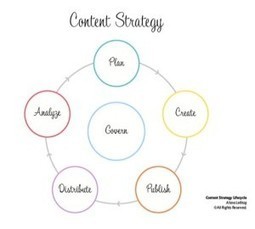
A post on how to leverage Google Analytics to help in all phases of the content writing process.
See on www.fathomdelivers.com
See on Scoop.it – Health Care Social Media Monitor
Online health communities that include providers as well as patients can improve patient engagement and offer other benefits to both groups, says study.
A new approach to using social media in healthcare is being pioneered in the Netherlands, according to a study in the Journal of Medical Internet Research. Focused on chronic disease care, this strategy breaks down the boundaries between online communities for doctors and patients to promote better care and empower patients to take better care of themselves.
See on www.informationweek.co.uk

With dueling stories hitting Newsweek and the New York Times this afternoon, the digital health corner of the world has noticed mainstream media hitting on one of our favorite topics: Quantified Health. The feature piece from Newsweek is their technical cover story, and NYT turned to one of its own technology big guns in David Pogue to author their story.
The coverage of the devices is on par with what we usually see in this topic: wearables, tracking sleep, movement, activity, with apps that can help you get an overall picture of the story.
We’d consider ourselves pretty close to the topic of quantified self, as we’ve watched throughout the year as this topic has continued to rise in media and consumer tech circles. One thing I can say, from observation, is that the value proposition for tracking health is most often positioned as a positive one. Tracking your activity guides…
View original post 196 more words
See on Scoop.it – Health Care Social Media Monitor
According to a 2012 California Healthcare Foundation and Pew Internet study, nearly 60 percent of adults looked online for health information within the previous year. Today’s social media platforms offer a new avenue of information and dialogue, creating a comfortable (and sometimes anonymous) environment for information exchanges. For pharmaceutical companies, this opens up new opportunities to connect with consumers, to communicate the value proposition throughout a product’s lifecycle, and to improve health delivery and outcomes. It sets the foundation to mine information and apply behavioral principles to understand how and why consumers make buying decisions and specific health/lifestyle choices. Even as companies await further clarity from the FDA, there is a way they can get plugged into the social world by sharing the content of their websites and drug- or brand-specific portals.
See on blogs.computerworld.com