Posted in Cool Tool

Monday Morning Cool Tool: YouTubeToWav

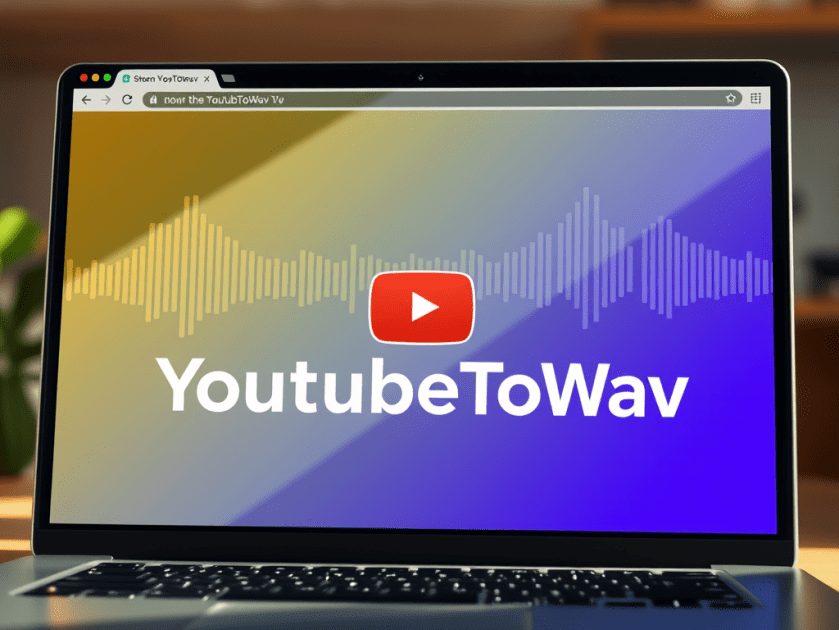
This week’s cool tool recommendation is YouTubeToWav, a free, browser-based converter that lets you paste a YouTube link and download the audio in WAV format (or other formats like MP3, FLAC, OGG, and M4A).

What are WAV files?

If you’ve ever worked with audio, you’ve probably come across WAV files. They’re one of the oldest digital audio formats around. WAV remains a gold standard when you need sound that’s crystal-clear and uncompressed.

WAV (short for Waveform Audio File Format) was created by Microsoft and IBM back in the 1990s. Unlike MP3 or AAC, which shrink audio down by compressing it, WAV keeps every detail intact, making it ideal for recording, mixing, or mastering. This makes it perfect for preserving original sound files without worrying about future degradation.

Common Uses

  • Podcasters grabbing background clips (with permission).
  • Educators saving lecture snippets for offline use.
  • Anyone wanting a higher-quality copy of audio to work with.

Why Use

  • Quick and simple: No registration, no software download.
  • High quality: Offers up to 1536 kbps for clarity.
  • Flexible: Works on desktop or mobile with all major browsers.

⚠️ Copyright Compliance: Downloading audio from YouTube may infringe on copyrights—ensure you have the right to do so.


Bottom line: WAV isn’t the format you’ll use for everyday playlists (unless you have unlimited storage), but when quality matters, it’s the format you want in your toolbox. And if you need an easy way to get started, YouTubeToWav is a lightweight, no-fuss option.

Posted in Cool Tool

Monday Morning Cool Tool: ReadyScriptPro

This week’s cool tool recommendation is ReadyScriptPro — an AI-powered script generator designed to help content creators develop polished scripts for short films, TikToks, YouTube videos, and more.

If you’ve ever struggled with writer’s block, inconsistent dialogue, or finding the right pacing for a short-form video, ReadyScriptPro is like having a creative partner on demand.

The platform streamlines the creative process by:

  • Generating complete scripts from simple prompts.
  • Offering a “script doctor” feature to improve pacing, tone, or clarity.
  • Suggesting scene directions and dialogue flow.
  • Helping creators produce professional-sounding content faster.

The tool works in a browser, with a clean dashboard that makes drafting, editing, and exporting scripts straightforward.

Tool Snapshot

FeatureWhat It Does
Script GeneratorCreates full scripts from simple text prompts
Script DoctorImproves pacing, tone, and dialogue
Creative suggestionsOffers alternative lines, plot turns, or dialogue choices
Freemium modelFree to start, with advanced features possibly in premium plans

Pricing

ReadyScriptPro follows a freemium model. You can get started for free with basic script generation, making it easy to experiment without upfront cost. A paid tier with premium features (such as longer scripts, advanced editing, and expanded creative suggestions) is expected, though official pricing details have not yet been fully published.

Posted in Cool Tool

Monday Morning Cool Tool: Text Optimizer

This week’s cool tool recommendation is Text Optimizer – a tool to help you optimize your content to rank better on SERPs (Search Engine Results Pages)

Text Optimizer extracts terms and concepts from search engine results pages (SERPs) and analyzes their semantics to generate a list of questions for inclusion in your articles.

Choose the search engine you wish to optimize for, input the desired search terms, select a target location, and either paste your text or provide a link to your existing content.

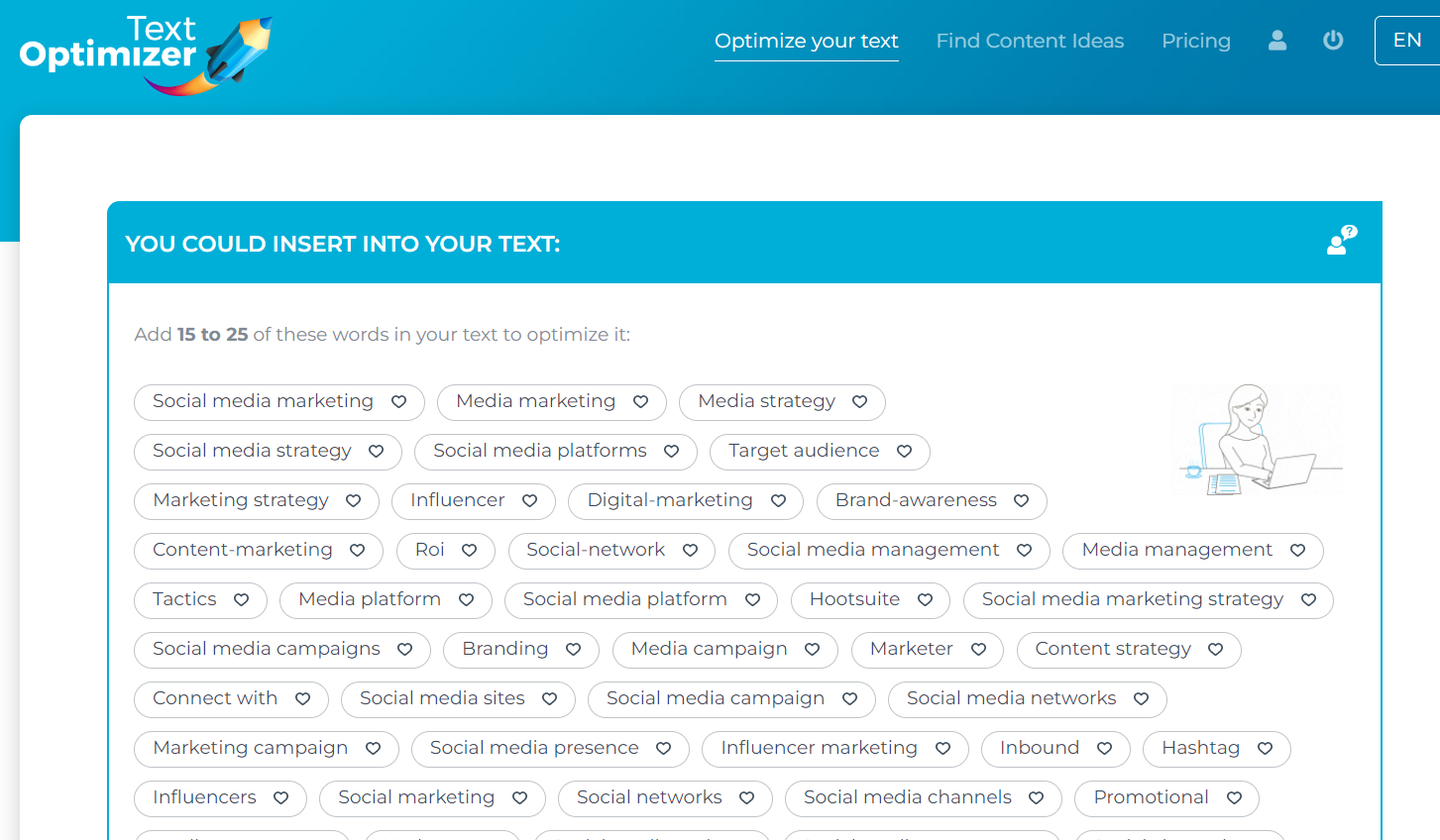
And here are just some of my results – the tool returns many more suggestions.

You can use the tool to compare your existing text to the snippets Google returns for that query if you already have a page you want to rank. After scoring your text, it will suggest adding some of those suggested terms to your content.

Why this tool is a valuable addition to your online content strategy

Google generates its search snippets based on which sentences from ranked pages best answer the query. In other words, the search snippets are Google’s best (in its opinion) summary of the topic of the query. The semantic analysis of these snippets and the extraction of related terms and topics will give you a better understanding of what you need to include in your content.

Posted in #HCSM

Why Listicles Still Work In Healthcare Communication 

In health communication, clarity isn’t just helpful; it’s essential. That’s why one of the most enduring formats in digital communication remains the listicle.

Yes, the listicle. It may carry associations with lifestyle blogs or clickbait headlines, but when done well, it’s an effective tool for building understanding, trust, and engagement across audiences in healthcare.

What Is a Listicle?

A listicle is a structured article built around a numbered or ordered list—typically with subheadings, explanations, or visuals. It offers a clear roadmap through a topic, making it easier to scan, digest, and act on.

You’ve likely used or encountered them before:

  • “5 Signs of a Stroke Everyone Should Know”
  • “10 Things to Ask at Your Next GP Appointment”
  • “7 Lessons from Running a National Health Campaign”

They’re concise, focused, and—when crafted with care—highly effective in reaching busy, distracted, or overwhelmed audiences.

Why Listicles Work in Health Communication

1. They Provide Cognitive Closure

A title like “6 Questions to Ask Before Starting a New Medication” gives readers a straightforward task. It sets expectations and satisfies them. That sense of completion can increase comprehension and retention.

2. They Reduce Information Overload

Especially for patients navigating new diagnoses or caregivers juggling multiple responsibilities, dense paragraphs are daunting. A list offers a manageable way in.

3. They Match Digital Behaviour

Most people don’t read health content from start to finish. They scan for relevance. Listicles cater to that pattern, offering defined entry points that support better engagement.

4. They Support Accessibility

With short sections, bold headings, and bullet points, listicles are easier to navigate, especially on mobile devices or for readers with cognitive or visual impairments.

5. They’re Discoverable and Shareable

Listicles often perform well in search and on social media. Their clear structure is favoured by SEO algorithms and lends itself to being bookmarked, shared, or quoted in other content.

Examples in Healthcare Comms

Patient Education

“7 Questions to Ask Before Elective Surgery”
Used in clinic brochures or hospital blogs, this format empowers patients to participate more actively in their care—and improves shared decision-making.

Public Awareness Campaigns

“6 Myths About Vaccines—Debunked”
Structured myth-busting content can be shared across platforms, from Instagram carousels to printed factsheets. Each point reinforces public trust through clear, evidence-based language.

Internal Communications or Training

“5 Things to Know About the New Referral Process”
Listicles can help clinical staff or administrative teams quickly absorb policy updates without needing to read a full SOP document.

Advocacy and Engagement

“10 Ways to Support People Living with Epilepsy”
Ideal for NGOs or awareness days, these lists can drive real-world action, reinforce respectful language, and make allyship more tangible.

Writing Listicles That Inform—Not Oversimplify

There’s a misconception that listicles are shallow. But in healthcare, the best list-based content doesn’t dilute—it distils. The goal isn’t to reduce nuance but to make key messages more usable.

Here are a few guidelines:

  • Be specific. “7 Tips for Mental Health” is vague. “7 Ways to Cope with Post-Surgical Anxiety” is useful.
  • Don’t overinflate the count. If you have four strong points, stick with four. Padding the list undermines trust.
  • Layer in links or next steps. A good listicle can serve as a gateway to more detailed resources or actions.
  • Design with accessibility in mind. Use bold text, short sentences, and consider screen reader compatibility.
  • Tailor tone to audience. A patient-facing list needs a different voice than one written for policymakers or funders.

Have you used listicles in your work—successfully or otherwise?
I’d love to hear how they’ve worked (or fallen flat) in your campaigns, publications, or patient materials.

Posted in Cool Tool

Monday Morning Cool Tool: Keyword Surfer

This week I’m recommending Keyword Surfer –  a free Chrome extension that gives you keyword search volume in Google search results.

This intuitive tool seamlessly integrates with Google Search, providing real-time data without disrupting the user’s workflow. By simply typing a query, users can instantly access estimated monthly search volumes, so you can instantly check if a keyword is a good fit.

Key Features and Benefits

  • Real-time Search Volume Data: Keyword Surfer displays estimated search volumes directly within Google Search results, eliminating the need for separate keyword research tools.
  • Related Keyword Suggestions: The extension provides a list of related keywords with corresponding search volumes, enabling users to discover new content opportunities and expand their keyword portfolio.
  • Traffic Estimates for Top-Ranking Pages: Keyword Surfer offers insights into the estimated organic traffic of high-ranking pages, allowing users to gauge potential content performance and set realistic goals.
  • Content Optimization Guidelines: By analyzing top-ranking content, Keyword Surfer provides data-driven recommendations on optimal word count, keyword density, and related keyword integration, enhancing on-page optimization efforts.
  • Global Data Coverage: With support for 70 countries, Keyword Surfer facilitates international SEO strategies by providing location-specific keyword data.7

Considerations

While Keyword Surfer offers valuable insights, it is essential to acknowledge that the data provided are estimates. For comprehensive analysis and competitive intelligence, utilizing additional keyword research tools is recommended.

Watch the short video below to learn more.


Posted in #HCSM

Boost Your Healthcare SEO with ChatGPT

Search engine optimization (SEO) is the key to getting your healthcare content noticed online. However, keeping up can feel overwhelming with constant algorithm updates and increasing competition for online visibility. With ChatGPT, you can simplify and enhance your SEO efforts across multiple fronts, from keyword research to content optimization.

Here are ten ways you can use ChatGPT to boost your healthcare SEO strategy.

1. Keyword Research

Keyword research is the foundation of SEO. ChatGPT lets you quickly generate relevant keyword ideas by entering prompts related to your topic. For example, a prompt like “Suggest primary and long-tail keywords for [topic]” will yield a list of potential keywords. Plus, it can generate keywords that appeal to different levels of user intent, helping you build a comprehensive strategy.

Example Prompt

“Suggest primary and long-tail keywords for healthy eating.”

ChatGPT Output

Primary Keywords

  1. Healthy eating
  2. Balanced diet
  3. Nutritional meals
  4. Clean eating
  5. Healthy recipes

Long-Tail Keywords

  1. Benefits of healthy eating for weight loss
  2. Easy healthy recipes for beginners
  3. How to start a balanced diet
  4. Nutritional meals for busy professionals
  5. Affordable healthy eating on a budget
  6. Foods to avoid for a clean eating lifestyle
  7. Healthy eating tips for families
  8. Meal prep ideas for a balanced diet
  9. Plant-based healthy eating guide
  10. Simple healthy snacks for work

Using Different Levels of User Intent

Search intent, also called user intent, is the purpose behind a user’s specific query in a search engine. It reflects the user’s goal, whether it’s to find information, locate a specific website, make a purchase, or investigate a topic.

Example Prompt

“Suggest keywords with different levels of search intent for healthy eating.”

Informational Keywords (users seeking information):

  • “What are the basics of healthy eating?”
  • “Healthy eating tips for beginners”
  • “Benefits of a balanced diet”

Navigational Keywords (users searching for specific sites or brands):

  • “Harvard healthy eating plate”
  • “CDC guidelines for healthy eating”
  • “American Heart Association diet recommendations”

Transactional Keywords (users ready to make a purchase or take action):

  • “Healthy eating meal prep service”
  • “Buy healthy eating cookbooks”
  • “Order healthy snacks online”

Further Reading: Avoid These Keyword Mistakes to Boost Your SEO Strategy

2. Generating Topic Ideas

Content marketing thrives on fresh, engaging topics. By feeding ChatGPT a general theme or area of interest, you can receive a variety of unique topic ideas. Prompts like “List 10 unique article ideas about [topic]” make brainstorming sessions faster and more productive.

Example Prompt

“List 10 unique article ideas about mental wellness.”

ChatGPT Output

  • “The Science Behind How Nature Affects Mental Wellness”
    Exploring the psychological and physiological benefits of spending time in nature and how it impacts mental health.
  • “10 Simple Daily Habits to Boost Mental Wellness”
    A listicle of easy-to-implement daily habits that contribute to improved mental well-being.
  • “Understanding the Link Between Sleep and Mental Health”
    Examining the role of quality sleep in maintaining mental wellness, plus tips for better sleep hygiene.

3. Creating Content Outlines

After you’ve selected your topic, you need to structure your content effectively. ChatGPT can help create a clear and logical outline by prompting it with something like “Outline a blog post on [topic].” This approach helps you map out sections, identify subtopics, and ensure a smooth flow in your articles, enhancing the overall readability and SEO potential.

Example Prompt

“Outline a blog post on ‘The Benefits of Mindfulness for Stress Management.’”

ChatGPT Output

Title: The Benefits of Mindfulness for Stress Management

Introduction

  • Brief overview of the impact of stress in modern life
  • Introduction to mindfulness as an effective tool for stress reduction
  • Thesis statement: Mindfulness offers powerful benefits for managing stress by enhancing awareness, promoting relaxation, and improving overall mental health

Section 1: Understanding Mindfulness

  • Definition of mindfulness
  • Brief history and origins of mindfulness practices
  • Explanation of how mindfulness works on a cognitive level to reduce stress

Section 2: The Science Behind Mindfulness and Stress Management

  • Overview of scientific studies supporting mindfulness for stress relief
  • Explanation of the impact of mindfulness on the brain, including the amygdala and prefrontal cortex
  • Benefits for both short-term stress relief and long-term resilience

Section 3: Key Benefits of Mindfulness for Stress Reduction

  • Improved Focus and Concentration: Mindfulness helps reduce distraction, which can alleviate feelings of overwhelm
  • Enhanced Emotional Regulation: Promotes emotional balance and reduces reactivity to stressful situations
  • Better Physical Health: Lowers blood pressure, reduces muscle tension, and improves sleep quality
  • Increased Self-Awareness: Helps individuals recognize stress triggers and patterns

Section 4: Simple Mindfulness Techniques for Managing Stress

  • Mindful Breathing: Explanation of technique and its benefits
  • Body Scan Meditation: Step-by-step guide for releasing physical tension
  • Mindful Walking: How this practice combines movement with mindfulness
  • Progressive Muscle Relaxation: Steps for reducing bodily stress

Section 5: Tips for Integrating Mindfulness into Daily Life

  • Suggestions for starting small, such as incorporating mindfulness into a morning routine
  • Tips for overcoming common challenges, like maintaining consistency
  • Encouragement to use mindfulness apps or join a local class

Conclusion:

  • Recap of mindfulness as an accessible, science-backed approach to managing stress.
  • Final thoughts on the importance of adopting mindfulness for mental and physical well-being.
  • Call to action: Try a mindfulness practice today to begin reaping its stress-reducing benefits.

4. Writing High-Quality Content

Using AI for content creation can save time, but it’s important to maintain quality. ChatGPT can help write portions of your content based on the outline you’ve created. Try asking for specific sections, such as “Write a 200-word introduction on [topic].” However, always review and edit to ensure accuracy and readability.

Further Reading: The Authenticity Advantage: Why You Should Prioritize Quality Over Quantity in Content Creation

5. Enhancing Readability and Engagement

Readability directly impacts SEO performance. ChatGPT can suggest simplified language, bulleted lists, or even analogies to make complex topics more approachable. You could prompt, “Rewrite this paragraph to be more conversational” or “Break this information down into bullet points.”

Click here to continue reading

Posted in Cool Tool

Monday Morning Cool Tool: Content Row Headline Generator

This week’s cool tool recommendation is a headline generator from Content Row.

An effective headline has the power to captivate readers and encourage them to delve deeper into your content. In addition to engaging readers, headlines play a crucial role in search engine optimization (SEO). Search engines rely on headlines to understand the essence of your content, and a well-crafted headline can contribute to increasing your content’s ranking in search results.

How it works

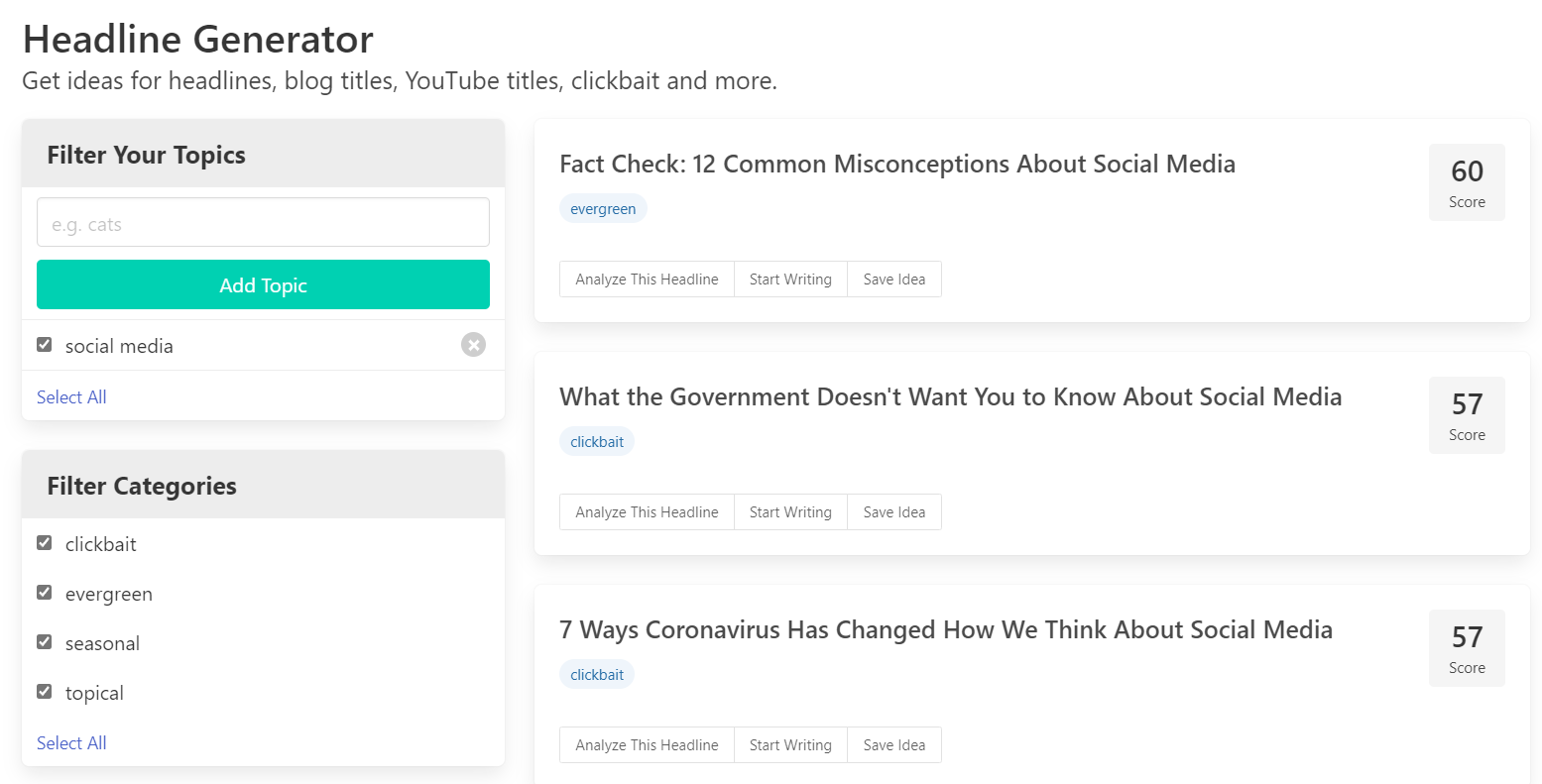
Using the term “social media” the tool provides the following suggested headlines for me. Keep in mind that as it’s an AI tool results are not an exact science, so it’s advisable to disregard clickbait titles. Once you’re logged in as a user, you have the option to filter out clickbait in your search.

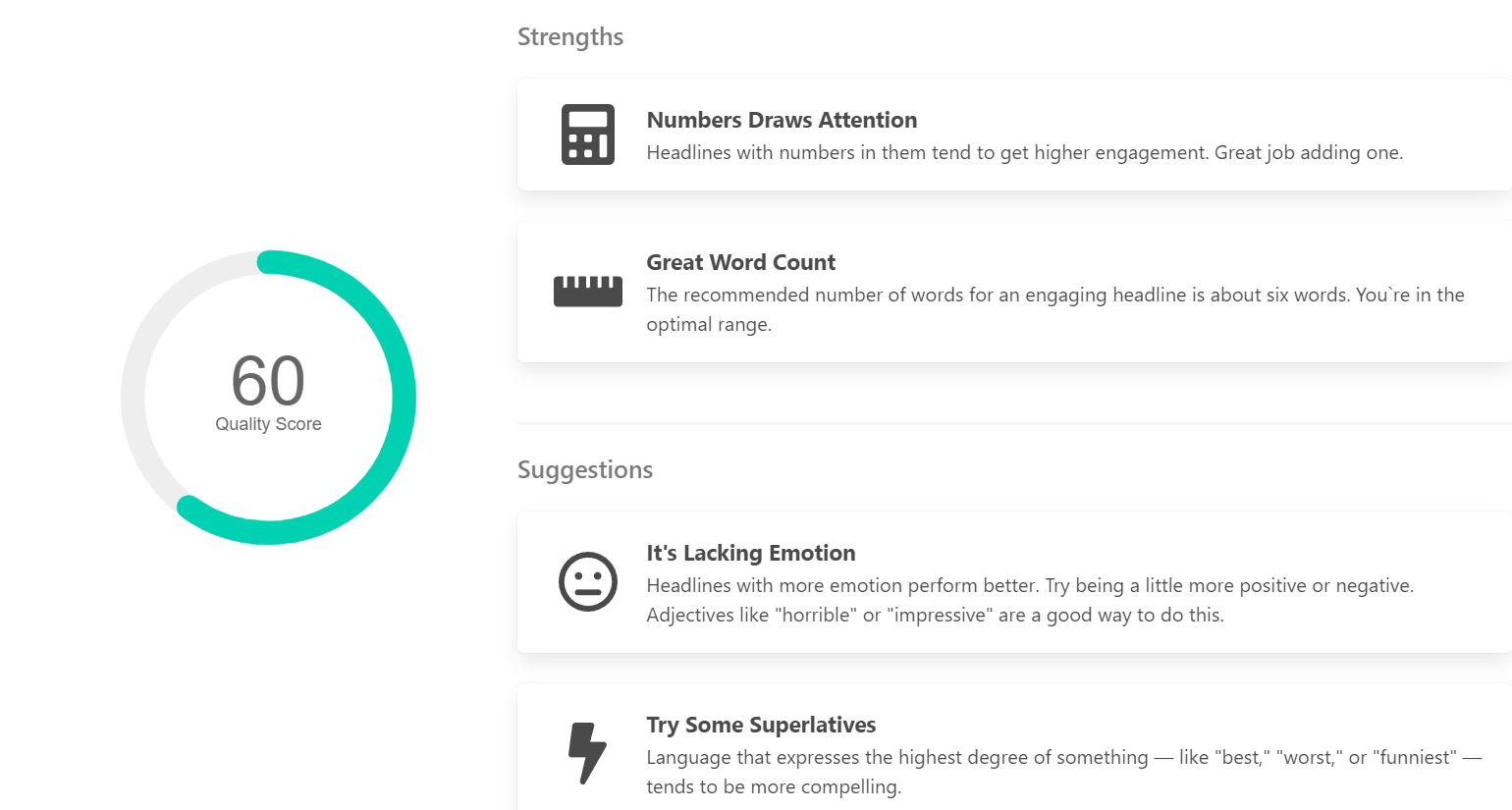
Each headline is given a score, and you can click on the option to analyze it, which is a nice feature as it gives you some suggestions on how to improve it.

While these tools aren’t perfect, they can kickstart the creative thinking process when it comes to writing headlines. 

You might also like to read:

Posted in #HCSM, SEO

What’s the Optimal Content-Length for Healthcare SEO?

SEO encompasses a range of strategies and techniques aimed at improving a website’s ranking in search engine results pages (SERPs) like Google. In essence, it’s about making your website more discoverable when users search for information related to your products, services, or industry. Content length, the focus of this article, is one of the many factors that can influence your SEO performance.

The Myth of a One-Size-Fits-All Solution

The notion that a specific word count is the key to SEO success is a misconception. The ideal content length varies based on multiple factors, including:

  • Medical Specialty and Topic Complexity: Complex medical procedures, treatments, or conditions often necessitate longer, more in-depth content to adequately educate patients, address their concerns, and build trust. Simpler health topics might be effectively covered in shorter formats.
  • Target Audience and Search Intent: Understanding your audience’s needs and the intent behind their searches is crucial. If users are seeking quick answers about symptoms or basic health information, concise content may suffice. However, if they are researching a specific condition, treatment options, or seeking expert advice, longer, more comprehensive articles may be preferred.
  • Competition: Analyze your competitors’ content to understand the prevailing content length and depth in your healthcare niche. Strive to provide something unique and valuable that sets you apart.
  • Platform and Format: Adapt your content length to different platforms and formats. Social media posts might be best suited for brief health tips or awareness campaigns, while blog posts and articles allow for in-depth discussions of medical topics.

The Sweet Spot: A General Guideline

While no hard and fast rule exists, research indicates that content within the 2,000 to 3,000-word range often performs well in search engine rankings. This range offers enough space to delve into topics comprehensively, address user queries thoroughly, and incorporate relevant keywords naturally. However, it’s important to remember that this is just a guideline. The optimal length ultimately depends on the factors discussed earlier. Prioritizing quality and relevance remains paramount.

Long Vs Short Term Content

Long-form content (1,000+ words) is ideal for detailed articles, guides, and white papers, allowing you to explore complex subjects, share valuable insights, and demonstrate expertise. The extended format provides ample opportunity to incorporate keywords organically and establish topical authority, boosting your search engine visibility.

Short-form content (300–600 words) is perfect for social media posts, concise blog updates, and email newsletters. Its brevity ensures quick, impactful communication and encourages sharing.

The ideal content length depends on your goals and platform. Long-form content builds authority and educates, while short-form content engages quickly and is highly shareable. However, rather than focusing on word count, focus on delivering in-depth, valuable content that thoroughly covers your chosen topic. Aim to become the go-to resource for users seeking information in your niche. Answer potential questions, provide actionable insights, and showcase your expertise.

Keyword Optimization: A Balancing Act

Incorporating relevant medical keywords is essential for healthcare SEO. Include your primary target keywords and related terms naturally throughout your content to signal its relevance to search engines.

However, avoid keyword stuffing, which can negatively impact user experience and harm your SEO efforts. Strive for a balance between keyword optimization and readability. Ensure your content is clear, informative, and empathetic towards patient concerns.

Further Reading: Avoid These Keyword Mistakes to Boost Your SEO Strategy

Quality Trumps Quantity in Healthcare Content

In healthcare marketing, providing accurate, reliable, and compassionate information is critical. Create engaging, informative content that resonates with your audience and addresses their health concerns.

  • Focus on Patient Education: Empower patients with knowledge about their conditions, treatment options, and preventive measures. Use clear language and avoid medical jargon.
  • Build Trust and Credibility: Establish yourself as a trusted healthcare resource by providing evidence-based information and showcasing your expertise. Use patient testimonials, case studies, and certifications to build credibility.
  • Show Empathy and Compassion: Acknowledge the emotional aspect of health issues and express empathy towards your audience. Offer support and encouragement throughout their healthcare journey.

Key Takeaway

In healthcare marketing, prioritize creating high-quality, informative, and empathetic content that aligns with your audience’s needs and search intent. Focus on providing value, building trust, and establishing your authority as a reliable healthcare resource. Content length is just one tool to achieve these goals; quality, relevance, and user satisfaction are the ultimate indicators of success.

Posted in #HCSM

Healthcare Blogging: A 10-Point Checklist for Success

Blogging has become a uniquely effective tool in healthcare marketing. By offering valuable information and addressing common concerns, healthcare organizations can build lasting relationships with their audience. Additionally, the SEO benefits of blogging enhance online visibility, ensuring that your message reaches those actively seeking answers and solutions.

This 10-point checklist will guide you in creating engaging and impactful blogs that drive success.

1. Research Keywords

Keywords act as the bridge between your content and the patients seeking information. By understanding and incorporating the right keywords, you ensure your blog posts appear in search results when potential patients are looking for healthcare solutions.

  • Start with Seed Keywords: These are broad terms that define your healthcare niche (e.g., “pediatric care,” “diabetes management,” “mental health resources”).
  • Use Keyword Research Tools: Tools like Google Keyword Planner, Ahrefs, or SEMrush help uncover specific terms patients use (e.g., “best pediatrician near me,” “symptoms of diabetes,” “anxiety coping mechanisms”).
  • Assess Search Volume and Competition: Target keywords with reasonable search volume and manageable competition.
  • Analyze Competitor Keywords: See what terms other healthcare providers are targeting for insights.
  • Refine Your List: Choose keywords that align with your services and have a good balance of search volume and competition.
  • Keyword Integration: Seamlessly incorporate keywords into your content, prioritizing a natural flow and helpful information.

Further Reading: Avoid These Keyword Mistakes to Boost Your SEO Strategy

2. Optimize for Search Engines

Search Engine Optimization (SEO) is about making your blog discoverable by search engines and potential patients. The higher your content ranks, the more likely patients will find you when they need your services.

  • Meta Titles: Craft clear, keyword-rich titles that entice clicks in search results (e.g., “5 Tips for Managing Childhood Asthma”).
  • Meta Descriptions: Write concise summaries that accurately reflect your content and encourage clicks.
  • Internal Linking: Connect related blog posts to guide readers and demonstrate expertise.
  • Quality Content: Focus on providing valuable, evidence-based information that addresses patient needs.
  • Mobile Optimization: Ensure your blog looks and functions well on all devices for a positive user experience.

Further Reading: Boost Your SEO and Readability with This Free Tool

3. Create Compelling Headlines

Your blog’s headline is the first thing readers see, whether in search results, social media shares, or email newsletters. Think of your headline as a hook — it needs to pique curiosity, promise value, and compel readers to want to read your content.

  • Grab attention: Use strong verbs and compelling language.
  • Promise value: Clearly indicate what the reader will gain.
  • Incorporate keywords: Help readers find your content in search results.
  • Keep it concise: Aim for clarity and impact.

Bonus Tip: Use a tool like the Headline Analyzer From CoSchedule to help you craft your headlines. It analyzes various factors and gives you a score, making it easier to create headlines that resonate with your audience.

Further Reading: 10 Proven Tips for Creating Irresistible Headlines

4. Guide Readers with Subheadings

Subheadings are like signposts within your blog post. They break down your content into digestible chunks, making it easier for readers to scan and navigate. Not only do they enhance readability, but they’re also important for SEO. Search engines use subheadings to understand your content’s structure and relevance.

How To Incorporate Subheads

  • Content Outline: Start by creating an outline of your blog post. Identify the main sections and key points you want to cover. This will serve as the foundation for your subheads.
  • Informative and Descriptive: Subheads should be informative and descriptive, providing a clear indication of the content that follows. Use keywords relevant to the section to improve SEO.
  • Hierarchy: Organize your subheads in a logical hierarchy. Use different levels of headings (H1, H2, H3, etc.) to denote primary and secondary sections, helping readers understand the content’s structure.

5. Enhance Clarity and Accessibility

Bloggers write for diverse audiences, including people with different reading levels. The Flesch Reading Ease Score is a helpful tool to gauge if your content is easy to understand. This score measures the complexity of your writing based on sentence length and word difficulty. Scores range from 0 to 100, with higher scores being easier to read.

– 90–100: Very easy to read (e.g., 8th-grade level and below).
– 60–70: Standard readability (e.g., high school level).
– 30–50: Fairly difficult (e.g., college level).
– 0–30: Very difficult (e.g., graduate school level).

If your score is low, simplify your writing. Use shorter sentences, simpler words, and clear sentence structure. This helps ensure everyone can enjoy your blog.

6. Use Proper Formatting

Proper formatting, which includes elements such as bullet points, lists, and heading tags, is more than just aesthetics; it’s an essential aspect of enhancing the readability and accessibility of your blog content.

Elements of Proper Formatting

  • Bullet Points: Bullet points are excellent for breaking down complex information into digestible chunks. They allow you to list items, ideas, or steps in a clear and organized manner.
  • Numbered Lists: Numbered lists are effective for conveying sequences or providing instructions. They help readers follow a logical progression of ideas.
  • Heading Tags: Incorporate heading tags to provide structure and hierarchy to your content. Use H1 for the main title, H2 for subsections, and so on.

7. Add Visual Appeal

Visual content, including images, graphics, and videos, adds an extra layer of engagement to your blog posts. Visuals break up the monotony of text, making your content more scannable and engaging. Moreover, content that includes eye-catching visuals tends to be shared more frequently on social media platforms, extending your blog’s reach and influence.

Types of Visual Content

  • Images: High-quality photos, illustrations, or infographics enhance your blog’s visual appeal.
  • Infographics: Present data, statistics, or complex information in a visually engaging way.
  • Videos: Embedded or hosted videos offer a dynamic and interactive experience.
  • Graphics: Charts, graphs, icons, and illustrations enhance visual storytelling.

Steps for Incorporating Visual Content

  • Graphics: Identify Visual Opportunities: Determine where visuals can enhance your blog.
  • Create or Source Visuals: Design them yourself, hire a designer, or use royalty-free options.
  • Optimize Visuals: Resize and compress images for faster loading.
  • Add Alt Text: Describe images for accessibility and SEO. Be specific, not generic.
  • Integrate Visuals: Place them strategically to break up text and highlight points.
  • Attribution and Licensing: Follow guidelines for any visuals requiring attribution or licensing.

Further Reading: Social Media Graphics: 3 Ways To Make Them Pop!

8. Always Proofread

Proofreading is the final essential step before publishing your blog post. Here’s how to ensure your writing is error-free.

  • Print It Out: Reading on paper can help you spot errors you might miss on screen.
  • Read Aloud: Catch awkward phrasing and grammatical issues.
  • Focus on One Issue at a Time: Tackle spelling, grammar, and punctuation separately.
  • Use Online Tools: Grammarly and similar tools can catch common mistakes.
  • Check for Consistency: Ensure spelling, formatting, and style are consistent throughout.
  • Pay Attention to Punctuation: Commas, periods, semicolons — they all matter.
  • Address Grammar: Subject-verb agreement, tenses, sentence structure.
  • Watch for Homophones: “Their,” “there,” and “they’re” are not interchangeable.
  • Verify Facts and Data: Double-check any statistics or information you include.
  • Test Links: Make sure all hyperlinks lead to the correct pages.

9. Promotion and Distribution Strategies

Even the best blog posts need promotion to reach their audience. Here are some effective strategies to ensure your blog gets seen.

  • Social Media: Share posts on platforms your target audience uses. Use catchy captions, relevant hashtags, and encourage sharing.
  • Email Marketing: Send newsletters to subscribers with links to your latest posts. Personalize emails and use compelling subject lines.
  • Content Syndication: Republish posts on platforms like Medium or LinkedIn to reach a wider audience.
  • Guest Blogging: Write for other healthcare blogs to expand your reach.
  • Paid Advertising: Consider targeted ads on social media to reach specific audiences.
  • Content Updates: Refresh and republish older posts to keep them relevant.

10. Measuring Your Blog’s Success

Analytics and performance tracking are essential for understanding what’s working on your blog and what needs improvement.

  • Setting Up Analytics Tools: Use tools like Google Analytics to collect data.
  • Defining Key Performance Indicators (KPIs): Determine the metrics most important for your goals (e.g., traffic, bounce rate, conversions).
  • Regular Reporting: Schedule weekly or monthly reports to analyze data and spot trends.
  • A/B Testing: Experiment with different elements to see what works best.
  • Referral Tracking: Identify your traffic sources to optimize promotion efforts.

Further Reading: Content Marketing Metrics You Should Actually Care About


If you enjoyed reading this article or have any additional questions or experiences to share, I’d love to hear from you! Please leave a comment below and let me know what resonated most with you or if there are any specific topics you’d like me to cover in future articles.

Posted in Cool Tool

Monday Morning Cool Tool: Answer Socrates

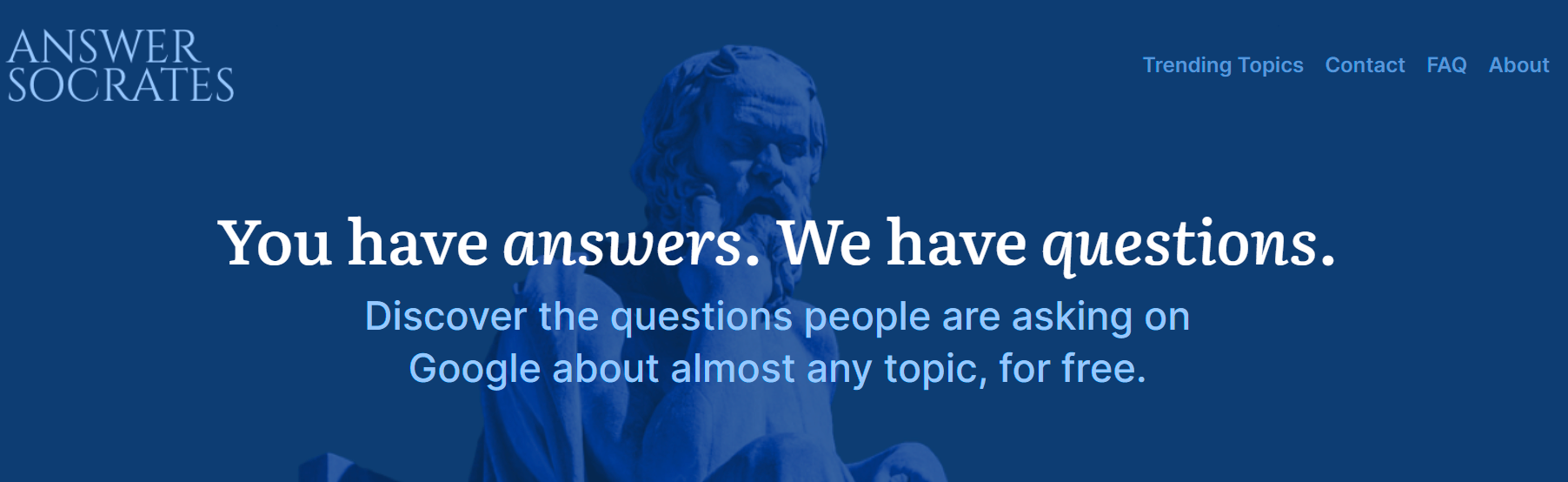
This week’s cool tool recommendation is SEO keyword research tool – Answer Socrates.

Answer Socrates gathers information from various sources, including Google Suggests, People Also Asked (PAA) boxes, and Google Trends. These sources provide insights into what people are searching for online.

When you enter a keyword or topic, Answer Socrates generates related questions that real people have asked on Google. These questions can spark ideas, help you understand common queries, and guide your research.

How to use Answer Socrates to improve your Search Engine Optimisation

Keyword Research: Use the tool to discover relevant keywords and phrases related to your content. It provides insights into what people are searching for, helping you identify high-impact keywords.

Content Ideas: Explore the questions generated by Answer Socrates. These can inspire blog posts, articles, or FAQs. By addressing common queries, you improve your chances of ranking well in search results.

User Intent: Understanding user intent is crucial for SEO. Answer Socrates reveals the types of questions users ask. Create content that aligns with their needs and intentions.

Long-Tail Keywords: Long-tail keywords (specific, less competitive phrases) are essential for targeted traffic. Answer Socrates highlights long-tail queries that you can incorporate into your content.

You might also like to read: Avoid These Keyword Mistakes to Boost Your SEO Strategy