Are you constantly chasing the latest social media trends and tactics, hoping for a magic bullet to boost your online presence?
Social media is constantly evolving, with new platforms and features popping up all the time. While jumping on every bandwagon is tempting, this reactive approach can be detrimental to your long-term growth.
Understanding “Strategy” vs “Tactics”
One common mistake is confusing “strategy” with “tactics.” Tactics are the specific actions you take — like posting a reel, using a trending hashtag, or running a giveaway. Strategy, on the other hand, is the overarching plan that gives those tactics purpose and connects them to your broader goals. It’s about seeing the big picture rather than focusing on isolated efforts.
Why Strategy Matters
A well-defined social media strategy serves as the backbone of your online efforts. It provides clarity, direction, and purpose, ensuring that every post and campaign aligns with your business objectives and resonates with your target audience. Without a strategy, you’re simply reacting to trends, which can leave your online presence feeling fragmented and unsustainable.
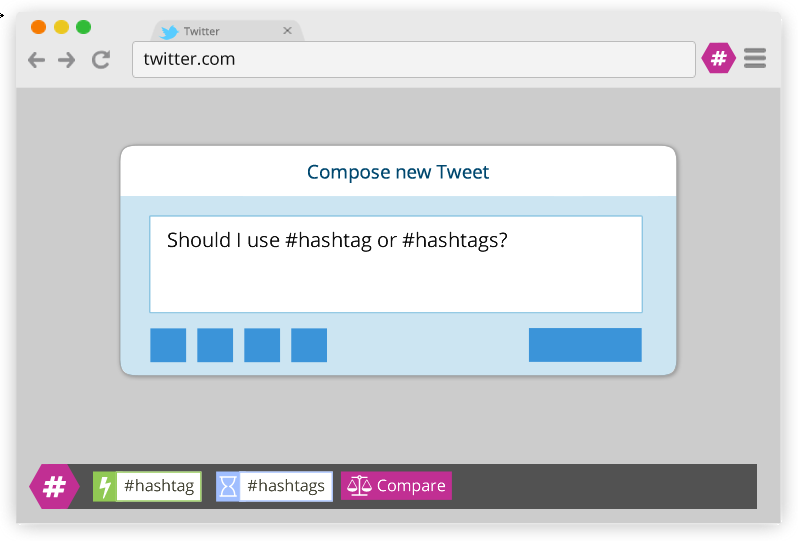
This week’s cool tool recommendation is RiteTag, a useful Chrome extension which gives you instant feedback on your hashtag choices as you type them.
How It Works
RiteTag shows you how hashtags are performing on Twitter and Facebook before you post content. Once you log in to RiteTag using your Twitter or Facebook credentials, it checks the hashtags you begin typing in real time and color codes them:
If your hashtag is green, it means the hashtag will help your content be seen now.
If your hashtag is blue, it means the hashtag will help your content be seen over time.
If your hashtag is gray, you should select a new hashtag because it has low levels of engagement.
If your hashtag is red, you should select a new hashtag because it’s so popular, your content will disappear into the crowd.
This week I’m recommending Keyword Surfer – a free Chrome extension that gives you keyword search volume in Google search results.
This intuitive tool seamlessly integrates with Google Search, providing real-time data without disrupting the user’s workflow. By simply typing a query, users can instantly access estimated monthly search volumes, so you can instantly check if a keyword is a good fit.
Key Features and Benefits
Real-time Search Volume Data: Keyword Surfer displays estimated search volumes directly within Google Search results, eliminating the need for separate keyword research tools.
Related Keyword Suggestions: The extension provides a list of related keywords with corresponding search volumes, enabling users to discover new content opportunities and expand their keyword portfolio.
Traffic Estimates for Top-Ranking Pages: Keyword Surfer offers insights into the estimated organic traffic of high-ranking pages, allowing users to gauge potential content performance and set realistic goals.
Content Optimization Guidelines: By analyzing top-ranking content, Keyword Surfer provides data-driven recommendations on optimal word count, keyword density, and related keyword integration, enhancing on-page optimization efforts.
Global Data Coverage: With support for 70 countries, Keyword Surfer facilitates international SEO strategies by providing location-specific keyword data.7
Considerations
While Keyword Surfer offers valuable insights, it is essential to acknowledge that the data provided are estimates. For comprehensive analysis and competitive intelligence, utilizing additional keyword research tools is recommended.
YouTube Shorts and Clips are dynamic tools that can significantly expand your audience, boost engagement, and drive views across your entire channel. While long-form videos provide depth and detail, relying solely on them can limit your reach and strain your budget. Short-form videos, like Shorts and Clips, offer a cost-effective way to create engaging content and tap into new audiences.
Here’s why short-form content should be a cornerstone of your YouTube strategy:
Cost-Effective Patient Education: Producing high-quality long-form videos can be resource-intensive. Shorts and Clips offer a more affordable way to create educational content, repurpose existing materials, and maximize your budget.
Reach a Wider Audience: Short-form videos are easily discoverable, appearing in YouTube’s Shorts feed, suggested videos, and even on users’ homepages. This allows you to reach potential patients who might not otherwise encounter your content.
Drive Engagement with Longer Content: Think of Shorts and Clips as entry points to your more detailed videos. By creating engaging short-form content that highlights key health tips, addresses common concerns, or offers a glimpse into your services, you can pique viewers’ interest and guide them to your long-form videos.
Stay Ahead of the Curve: YouTube’s algorithm favors short-form content. Incorporating Shorts and Clips into your strategy ensures you’re aligned with the platform’s trends and increases your visibility.
The Evolving YouTube Algorithm: Connecting Short-Form and Long-Form Content
YouTube’s algorithm has undergone significant changes since the introduction of Shorts in 2021. In August 2022, YouTube updated its algorithm to connect Shorts and long-form content. Previously, separate algorithms meant limited crossover between the audiences of these formats. Now, a unified algorithm ensures Shorts viewers are also exposed to your long-form videos, and vice versa.
How This Change Benefits You
Enhanced Discoverability: Viewers who engage with your Shorts can be recommended your long-form videos, increasing your content’s exposure.
Build Trust and Authority: Engaging Shorts can attract new viewers who might then be directed to your long-form content, where you can provide more in-depth information about your services, expertise, and patient care philosophy.
Content Synergy: Shorts and long-form videos work together to create a comprehensive content ecosystem. Use Shorts to promote longer videos, answer FAQs, or share quick health tips.
This shift emphasizes the importance of a holistic YouTube strategy that incorporates both short-form and long-form content to maximize your reach and engagement.
YouTube Clips: Creating and Sharing Engaging Snippets
Clips are shareable, short segments (5–60 seconds) you can create from your longer videos, showcasing key moments or highlights.
How to Create a Clip
Open a YouTube video (desktop or mobile).
Below the video player, click or tap the “Clip” button.
A pop-up window will appear, allowing you to select the start and end time for your clip (between 5 and 60 seconds).
Give your clip a title, and you’re done!
Tips for Promotion
Cross-Platform Sharing: Post Clips on social media to drive traffic back to your channel.
Foster Community Engagement: Encourage viewers to create and share Clips from your videos, boosting interaction.
Use Clips as Conversation Starters: Pair them with questions or calls to action to spark discussion in your comments.
Expanding Reach Beyond YouTube
While you can’t share Clips directly within YouTube, they are incredibly versatile for cross-platform promotion.
Here’s how you can share your YouTube Clips
Social Media: Share Clips and Shorts on Facebook, Instagram, LinkedIn, and TikTok.
Websites & Blogs: Embed Clips in posts to enrich your content and drive traffic to your channel.
Email Marketing: Include Clips in newsletters to add engaging visuals and boost click-through rates.
Repurposing Long-Form Content into Shorts
YouTube Shorts offer a fantastic opportunity to repurpose your long-form content and reach a wider audience.
Creating Shorts from Existing Videos
Use a Video Editing App: Edit your long-form video into a vertical, full-screen format (up to 60 seconds). Enhance it with filters, effects, and text overlays. Upload via YouTube Studio and include a link to the original video in the description.
Create Shorts Directly on YouTube: Open the long-form video in the YouTube app, tap the “Remix” button, and select “Edit into a Short.” Choose your clip (up to 60 seconds), enhance it with music, text, and effects, and publish it. YouTube automatically adds a link to the original video.
Tips for Creating Effective Shorts
Hook Quickly: Grab attention within the first few seconds.
Optimize Aspect Ratio: Ensure content fits the vertical format.
Include CTAs: Add verbal and visual cues directing viewers to your long-form videos.
Boost Discoverability: Use relevant keywords, hashtags, and engaging thumbnails.
Driving Long-Form Views with Shorts.
Include Clear CTAs: Guide viewers to your long-form videos with verbal and visual cues.
Create Compelling Content: Hook viewers with engaging snippets that leave them wanting more.
Optimize for Discoverability: Use relevant keywords and hashtags in your Short’s description.
By strategically creating and promoting Shorts and Clips, you can effectively leverage these formats to drive patient engagement, expand your reach, and establish a stronger online presence.
Instagram Reels are no longer just a trend; they’re a powerful communication tool for the healthcare sector. Whether aiming to boost patient engagement, educate the public, or market your practice, Reels offer a dynamic way to connect with your audience.
1. The “3 S’s” of Effective Reels
Simplicity Rules: Healthcare is full of complex jargon. Use Reels to break down complicated topics into bite-sized pieces. Explain medical conditions, procedures, or healthy habits in clear, concise language.
Shareworthy Content: Create Reels that resonate with your audience. Think inspiring patient stories, practical health tips, myth-busting facts, or even a touch of humor (when appropriate).
Short and to the Point: Respect your audience’s time. Keep your Reels concise and focused, ideally under 30 seconds, to maintain engagement.
2. Captions that Count
Inform and Educate: Use captions to provide valuable context, answer common questions, and offer resources.
Empathy Matters: Craft captions that speak to your audience’s emotions and needs, whether it’s patients, colleagues, or the general public.
Drive Action: Encourage viewers to take the next step, whether it’s scheduling an appointment, learning more about a health issue, or participating in a public health initiative.
3. “Happenings” Beyond Marketing
Humanize Healthcare: Showcase the people behind the scenes. Introduce doctors, nurses, researchers, support staff – anyone who contributes to your organization’s mission.
Transparency Builds Trust: Offer glimpses into different aspects of healthcare. Show what happens in a lab, during a clinical trial, or at a community health event.
Celebrate Successes: Highlight achievements, milestones, and positive patient outcomes (with consent, of course).
4. Hook Your Viewers from the Start
Pose Intriguing Questions: “What are the early signs of [condition]?” or “Are you doing enough to protect yourself from [illness]?”
Share Eye-Opening Facts: “Did you know that [statistic]?”
Start with a Strong Visual: A microscopic image, a healthy lifestyle scene, or an emotional moment can capture attention instantly.
Beyond the Basics: Expanding Your Reels Toolkit
Jump on Trends: Use trending audio or participate in popular challenges to increase visibility and reach.
Collaborate for Impact: Partner with other healthcare organizations, influencers, or even patients to create compelling content.
Add Interactive Elements: Use polls, quizzes, and Q&A stickers to encourage audience participation.
Prioritize Accessibility: Always include captions to make your Reels accessible to everyone.
Maintain a Consistent Presence: Regular posting keeps your audience engaged and reinforces your message.
What they do: They often use Reels to share quick health tips, like this one on foods that cause inflammation. It’s simple, shareable, and uses on-screen text effectively.
Why it works: It’s visually appealing, easy to understand, and provides actionable advice.
What they do: They use Reels to showcase their expertise and the patient experience. This Reel features a doctor explaining how pancreatic cancer is detected.
Why it works: It builds trust by featuring a medical expert and provides valuable information on an important health topic.
3. Nicklaus Children’s Hospital
What they do: They use Reels to humanize their brand and celebrate patient successes. This Reel shows a child who benefited from Nicklaus Children’s Heart Institute’s free EKG screenings program.
Why it works: It’s emotionally engaging, highlights their specialized care, and celebrates a positive outcome.
These are just a few examples of how healthcare organizations are using Instagram Reels effectively. By studying these examples and applying the tips we discussed, you can create engaging and informative Reels that resonate with your audience.
This week’s cool tool recommendation is Adobe Color – a free online tool that allows you to create and explore color palettes.
Here are some of the things you can do with Adobe Color:
Create color palettes based on color theory: Use the color wheel to create palettes that are harmonious and pleasing to the eye. You can also use different color harmonies, such as complementary, analogous, and triadic.
Extract themes from images: Upload an image and Adobe Color will extract a color palette from it. This is a great way to create a palette that matches the colors in an image you like.
Explore pre-made themes: Browse thousands of user-created color palettes for inspiration. You can search by keyword, mood, or even specific color.
Accessibility tools: Adobe Color helps you create accessible themes that are usable for people with color blindness.
Integration with Adobe products: Once you’ve created a palette, you can easily use it in other Adobe products like Photoshop, Illustrator, and InDesign.
This week’s cool tool recommendation is Clipchamp a free video editor.
Here are some of the things you can do with Clipchamp
Edit your videos: Trim, split, and combine video clips, add transitions, and adjust the speed and volume.
Enhance your videos: Add text, filters, effects, and music to your videos.
Create videos from scratch: Use Clipchamp’s library of templates to create professional-looking videos quickly.
Record your screen and webcam: Create video tutorials, presentations, or record yourself speaking directly to your audience.
Use Clipchamp with Microsoft 365: If you have a Microsoft 365 subscription, you get access to even more features in Clipchamp, like premium filters and effects, and 1 TB of OneDrive cloud storage.
Key Benefits of Clipchamp
Easy to use: The interface is simple and intuitive, so you can start editing videos right away.
Free: Clipchamp is free to use, with no watermarks on your exported videos.
Cloud-based: You can access your videos and edit them from any device with an internet connection.
Integrated with Windows 11: Clipchamp is built into Windows 11, so you can easily access it from the Start menu or search bar.
With so many social media options available, it can be challenging to identify which platforms deliver the most impact for healthcare brands. In this context, ROI (Return on Investment) measures how effectively your social media efforts are generating value—such as increased patient engagement, service inquiries, or brand awareness—relative to your investment in time and resources.
Why Social Media ROI Matters in Healthcare
In healthcare, ROI goes beyond basic engagement metrics. Demonstrating the tangible value of social media initiatives to leadership, patients, and stakeholders is crucial for justifying budgets and optimizing marketing strategies. Measuring and analyzing ROI provides data-driven insights that allow you to focus your budget on the most effective channels, ensuring that you maximize the reach and influence of your healthcare organization.
How to Calculate Social Media ROI for Healthcare
Calculating ROI in healthcare marketing involves aligning your social media activities with measurable goals. Here’s a step-by-step approach:
Define Your Objectives: Determine what you want to achieve, such as improving patient education, increasing appointment bookings, or driving awareness of new services.
Track Key Metrics: Identify the key performance indicators (KPIs) most relevant to your goals, such as website traffic, form completions, patient inquiries, engagement rate, and reach.
Account for Investment: Include all costs related to social media efforts—ad spend, content creation, patient engagement tools, and staff hours.
Calculate Your Return: Assess the tangible results from your social media activities. In healthcare, this may include tracking appointment requests, sign-ups for wellness programs, or the number of patient interactions influenced by social media.
There are different ROI formulas, but a basic one is:
ROI = (Net Profit / Total Investment) x 100
Net Profit = Value gained (e.g., revenue) — Total Investment
Total Investment = Direct and indirect costs
Example: Suppose you invest $500 in a Facebook ad campaign and $200 in staff time for a total of $700. If this campaign brings in $1,000 worth of new patient appointments, your net profit is $300, giving a 42.9% ROI.
Which Social Media Channels Offer the Best ROI in Healthcare?
1. YouTube According to HubSpot’s 2024 Social Media Trends Report, YouTube ranks highest for ROI, making it a valuable platform for healthcare. With over 2.5 billion active users, YouTube offers a tremendous opportunity to connect with a broad audience through educational and patient-friendly video content. In healthcare, video content can demystify complex medical information, enhance patient trust, and educate audiences about treatments, conditions, and wellness practices.
Top Tip: Use a mix of long-form educational videos and short, patient-centered clips to engage diverse viewer groups and maximize both reach and engagement.
2. Facebook Facebook remains a strong channel for healthcare organizations, especially those seeking precise audience targeting. While organic reach has declined, Facebook’s advertising tools enable you to reach specific demographics, making it ideal for local healthcare providers and specialty clinics aiming to connect with target patient groups.
Top Tip: Focus on high-engagement posts that can be “boosted” to expand reach cost-effectively, helping you get the most out of your advertising budget.
3. Instagram With 2 billion active users, Instagram provides a unique way for healthcare brands to build an engaged community. Visuals and Stories are perfect for sharing patient success stories, showcasing wellness tips, or promoting health-related events.
Top Tip: Use interactive stickers in Stories to increase engagement. Try adding a Q&A or poll to answer common patient questions and build a stronger connection with your audience.
4. TikTok With over 1.5 billion monthly active users and rising, TikTok offers an exciting platform for healthcare brands targeting younger audiences. Educational, health-related videos can go viral, making TikTok an ideal space for short, impactful content that raises awareness or dispels myths about healthcare topics.
Top Tip: Engage with trends on TikTok to boost visibility. Whether it’s using popular music, hashtags, or participating in healthcare-related challenges, joining trends increases discoverability and helps your content resonate with users.
Final Considerations for Healthcare Social Media ROI
Attribution Challenges: Directly attributing appointments or outcomes to social media can be complex. Utilize tracking tools, such as unique links or patient intake forms, to estimate impact accurately.
Long-Term ROI: Not all healthcare ROI is immediate; some efforts, like building trust and educating patients, contribute to long-term engagement and loyalty.
Big-Picture Value: Remember that while campaign-specific ROI is helpful, the overall value of your social media presence in building trust and enhancing patient relationships is also significant.
An effective headline has the power to captivate readers and encourage them to delve deeper into your content. In addition to engaging readers, headlines play a crucial role in search engine optimization (SEO). Search engines rely on headlines to understand the essence of your content, and a well-crafted headline can contribute to increasing your content’s ranking in search results.
How it works
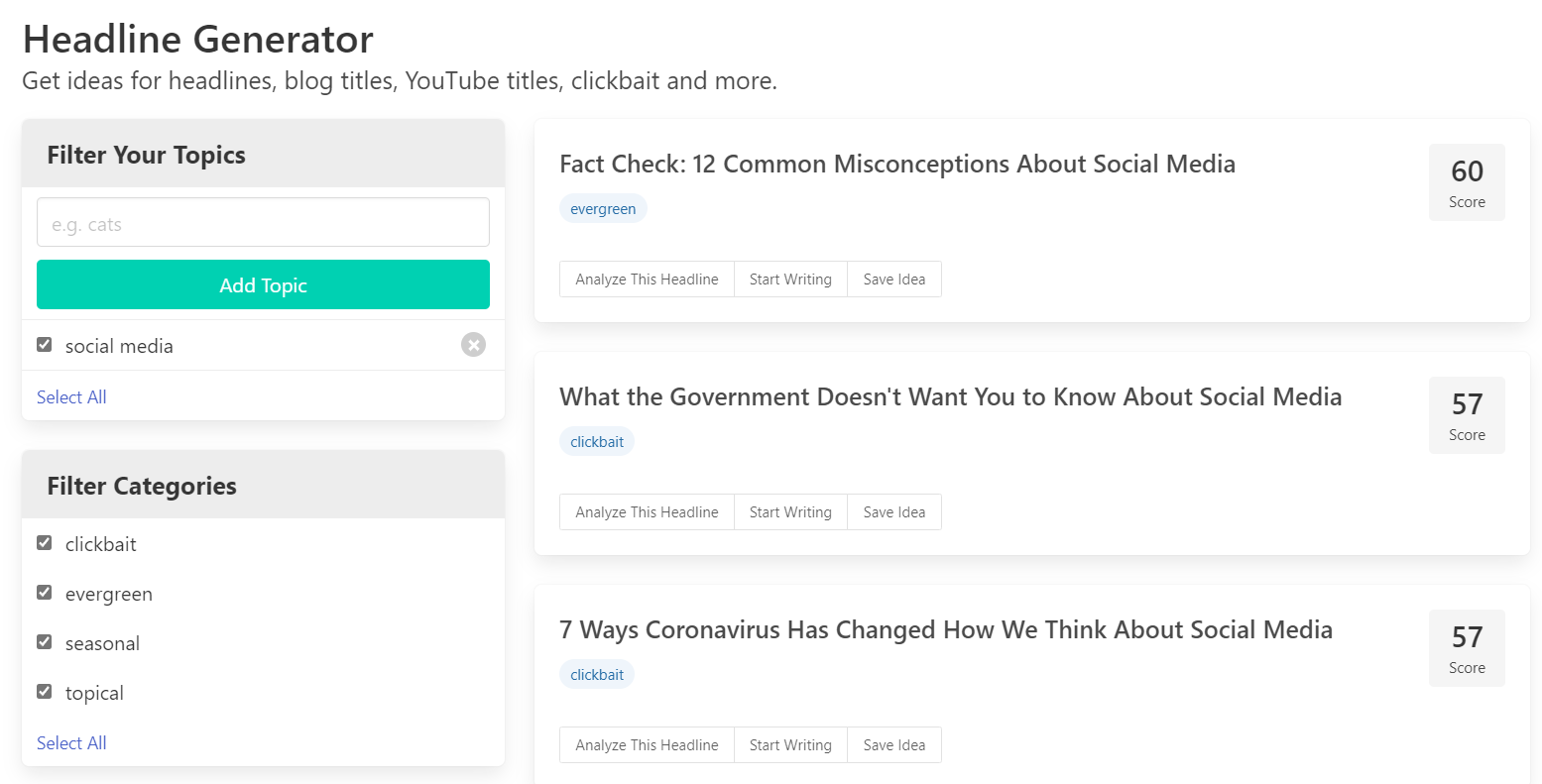
Using the term “social media” the tool provides the following suggested headlines for me. Keep in mind that as it’s an AI tool results are not an exact science, so it’s advisable to disregard clickbait titles. Once you’re logged in as a user, you have the option to filter out clickbait in your search.
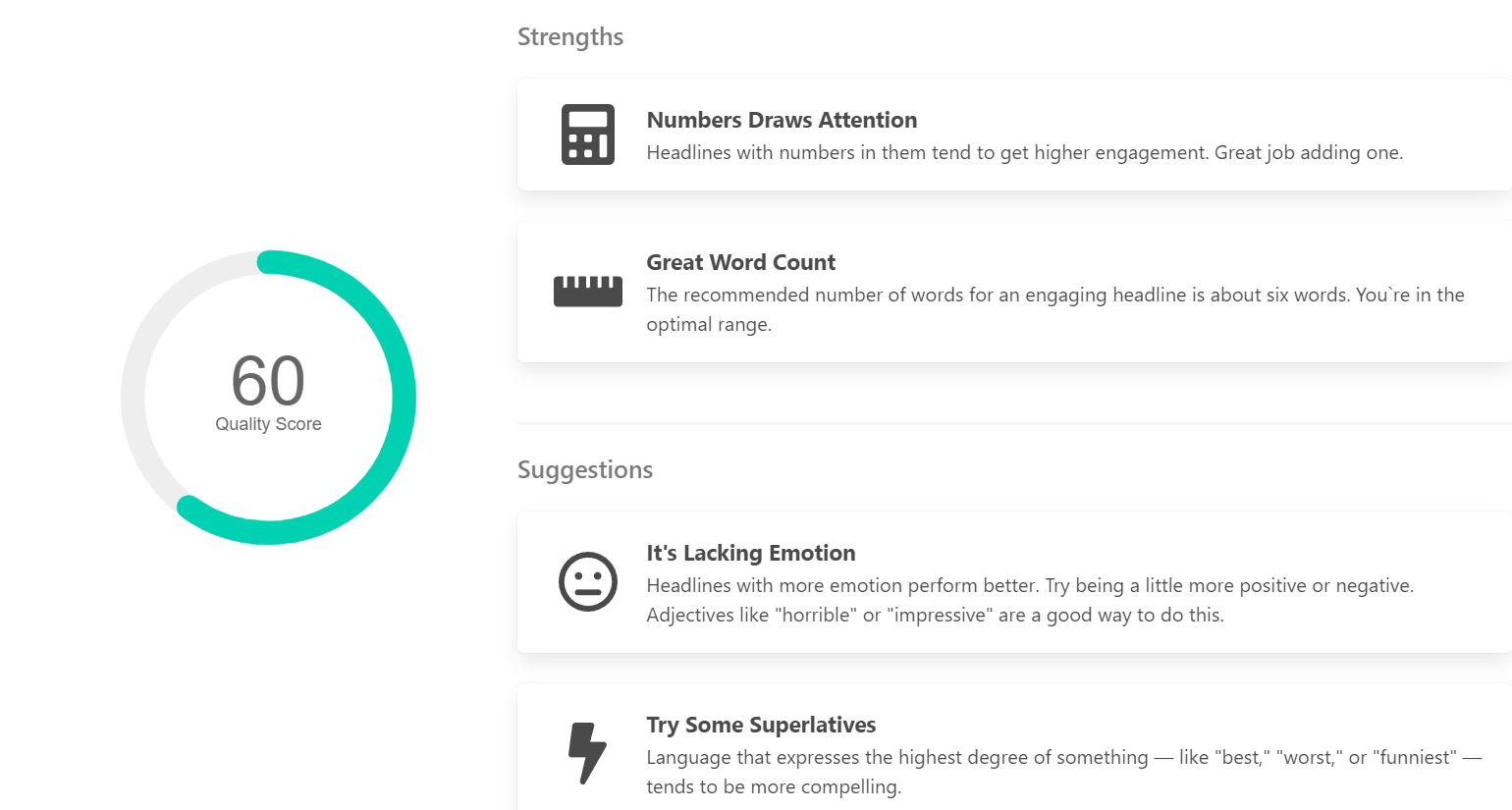
Each headline is given a score, and you can click on the option to analyze it, which is a nice feature as it gives you some suggestions on how to improve it.
While these tools aren’t perfect, they can kickstart the creative thinking process when it comes to writing headlines.
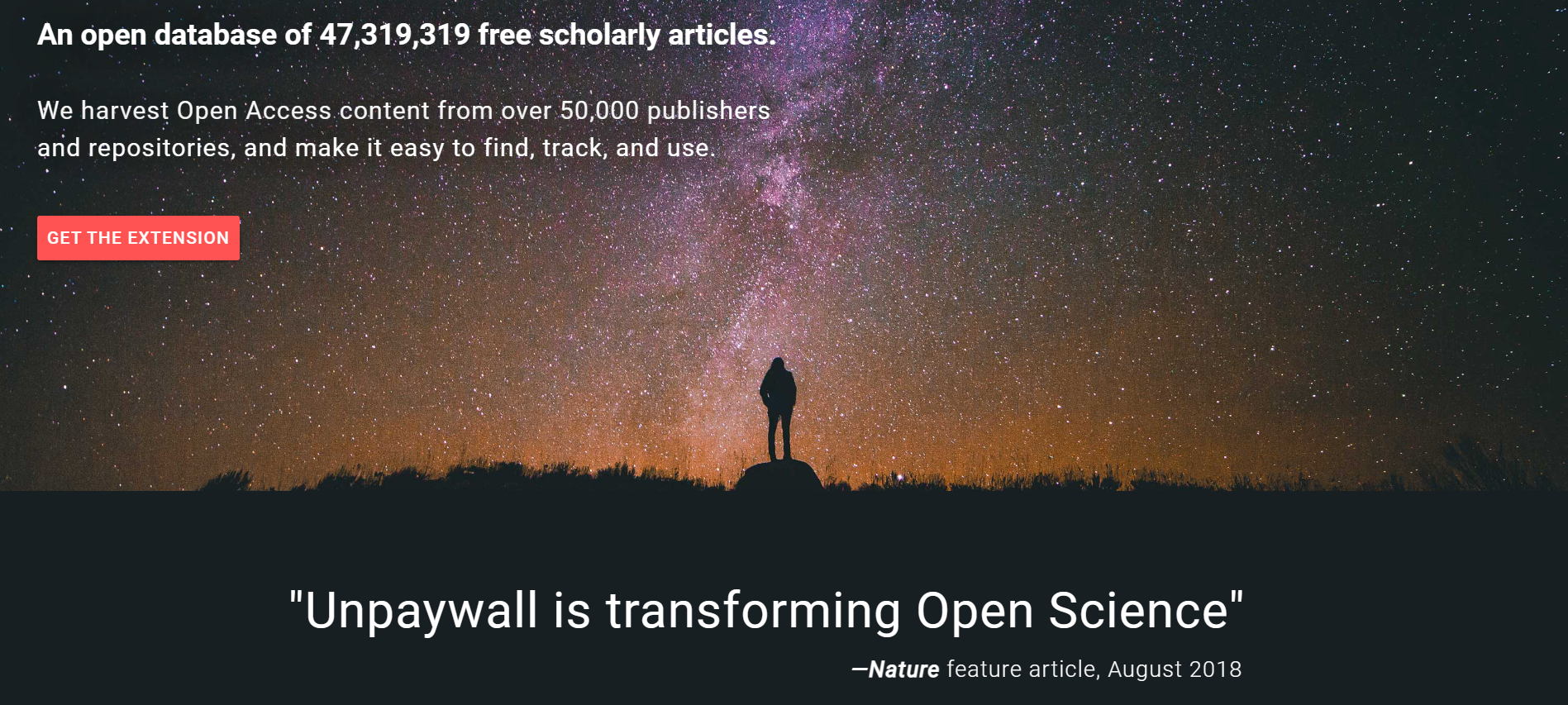
This week’s cool tool recommendation is Unpaywall – an open database of 49,950,472 free scholarly articles.
Access to research articles in academia can be costly, as many scholarly publications hide behind paywalls, limiting their availability to a select few. Unpaywall, however, is dedicated to breaking down barriers and increasing access to scholarly knowledge.
Unpaywall locates open-access versions of research articles that would otherwise be locked away using data from multiple sources, including institutional repositories, preprint servers, and partnerships with publishers. By installing the Unpaywall browser extension or visiting the website, users can access an ever-expanding collection of scholarly articles.
Note: It is important to note that Unpaywall serves as a guide to open access resources, ensuring their accuracy and legitimacy. It strives to make as many scholarly articles available as possible, but some restrictions may still exist








 Health Care Social Media