Posted in Cool Tool

Monday Morning Cool Tool: Answer Socrates

This week’s cool tool recommendation is SEO keyword research tool – Answer Socrates.

Answer Socrates gathers information from various sources, including Google Suggests, People Also Asked (PAA) boxes, and Google Trends. These sources provide insights into what people are searching for online.

When you enter a keyword or topic, Answer Socrates generates related questions that real people have asked on Google. These questions can spark ideas, help you understand common queries, and guide your research.

How to use Answer Socrates to improve your Search Engine Optimisation

Keyword Research: Use the tool to discover relevant keywords and phrases related to your content. It provides insights into what people are searching for, helping you identify high-impact keywords.

Content Ideas: Explore the questions generated by Answer Socrates. These can inspire blog posts, articles, or FAQs. By addressing common queries, you improve your chances of ranking well in search results.

User Intent: Understanding user intent is crucial for SEO. Answer Socrates reveals the types of questions users ask. Create content that aligns with their needs and intentions.

Long-Tail Keywords: Long-tail keywords (specific, less competitive phrases) are essential for targeted traffic. Answer Socrates highlights long-tail queries that you can incorporate into your content.

You might also like to read: Avoid These Keyword Mistakes to Boost Your SEO Strategy

Posted in Cool Tool

Monday Morning Cool Tool: ApowerSoft Screen Recorder

This week’s cool tool recommendation is a free screen recording tool –  ApowerSoft Screen Recorder.

This versatile tool enables you to capture browser windows, desktop activities, or webcam footage simultaneously, without any time restrictions or the need for downloads.

The resulting video can be stored on the local drive, uploaded to a cloud platform, and shared on social media or with others.

For similar tools, check out :

Posted in Cool Tool

Monday Morning Cool Tool: Icon Archive

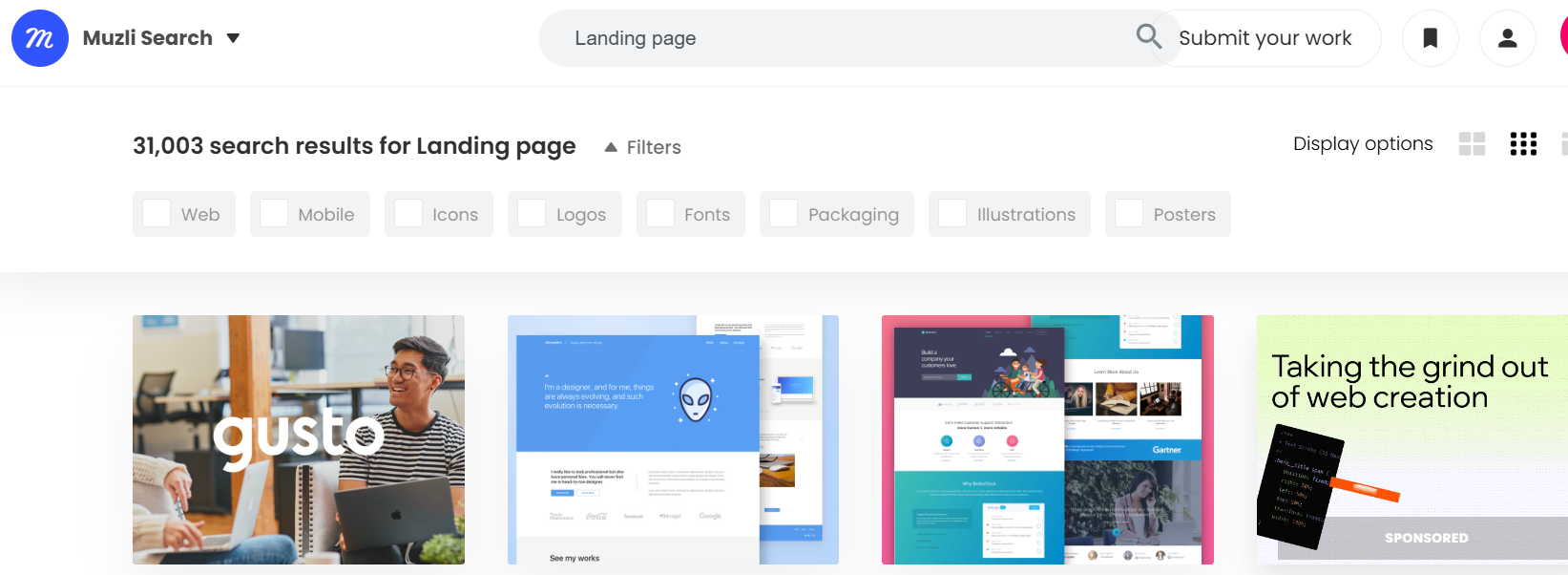
This week’s cool tool recommendation is Icon Archive – a free online platform that hosts an extensive library of over 8,000 icons and symbols.

The platform enables effortless searching, previewing, and downloading of icons. Its intuitive search feature allows for the discovery of icons through keywords, categories, or specific tags and allows for downloading in multiple formats and sizes.

You might also like to try The Noun Project and Icon Hunt for similar.

Posted in #HCSM

The Power of Conversational Content in Healthcare Marketing

Amidst the constant barrage of information, content creators face a daunting challenge: How can they capture and hold their audience’s attention in today’s digital landscape?

The renowned marketer, Seth Godin offers a compelling answer:

Content [should] aim to start a conversation or give your audience something to discuss.

In essence, he advocates for content that goes beyond mere dissemination of information; rather, content should spark dialogue, ignite curiosity, and invite participation.

In healthcare marketing, this philosophy translates into creating content that goes beyond the clinical facts—it sparks dialogue, kindles curiosity, and invites active participation from patients and caregivers alike. In a noisy digital environment, where broadcasting messages can feel impersonal, healthcare marketers must strive to engage their audience in meaningful conversations.

The Impact of Conversational Content

Conversational content in healthcare takes various forms, ranging from insightful articles and interactive social media posts to engaging multimedia experiences. The goal is to resonate deeply with the audience by addressing their concerns, values, and aspirations directly. By doing so, healthcare providers can establish a personal connection that fosters trust and loyalty.

One of the most powerful outcomes of conversational content is its ability to cultivate community. By encouraging dialogue and inviting feedback, healthcare marketers can create a sense of belonging among patients and caregivers. Whether through interactive online forums, live Q&A sessions, or patient testimonials, these interactions strengthen relationships and enhance the overall patient experience.

Driving Engagement and Empowerment

Beyond fostering community, conversational content enhances patient engagement by empowering individuals to take an active role in their healthcare journey. Content that solicits feedback, encourages questions, and provides personalized insights not only educates but also motivates patients to make informed decisions. This approach promotes adherence to treatment plans, encourages healthy behaviors, and ultimately improves health outcomes.

Practical Applications in Healthcare Marketing

Implementing conversational content in healthcare marketing begins with understanding the audience—knowing their preferences, concerns, and communication preferences. From there, healthcare providers can tailor their content strategy to resonate effectively with patients and caregivers alike. Whether through interactive health quizzes, informative blog posts, or social media campaigns that encourage dialogue, each initiative should aim to nurture meaningful connections and inspire positive actions.

Challenges and Best Practices

While leveraging conversational content, healthcare marketers should remain mindful of common pitfalls. These include overlooking audience preferences, maintaining an appropriate tone, and ensuring consistency across platforms. By actively listening to feedback, refining content strategies, and staying attuned to industry trends, healthcare organizations can continuously improve their engagement efforts and foster a culture of open communication.


As a conclusion, Seth Godin’s insight reminds me of the power of conversation even when that conversation is mediated by a digital screen. The more we create content that sparks dialogue and invites participation, the stronger the connections, the deeper the engagement, and the more we can inspire positive change. By creating content that sparks dialogue and invites participation, we can build stronger connections, drive deeper engagement, and inspire positive change.

Posted in #HCSM, SEO

Strategies for Successful Healthcare SEO: How to Sidestep Common Keyword Errors

In Search Engine Optimisation (SEO) keywords play an important role in attracting organic traffic. Organic traffic is traffic that comes from unpaid search results. You can, however, undermine your efforts if you make mistakes when choosing keywords.

Let’s explore some common keyword mistakes and how to avoid them.

1. Ignoring Search Intent

A healthcare SEO strategy must understand search intent, also known as user intent. The intent of a search query refers to the purpose behind it, whether it’s such as informational (e.g., symptoms of a disease), transactional (e.g., booking an appointment), or navigational (e.g., finding a hospital’s website).

Actionable Tip: Create content that directly addresses the identified intents. For example, informational content should provide comprehensive insights into medical conditions or treatment options, while transactional content should facilitate easy appointment scheduling or service inquiries.

2. Overstuffing Keywords

Keyword stuffing is a dated and potentially harmful practice. Modern search engines are skilled at detecting unnatural keyword usage, which may result in penalties. Search engines prioritize content that is high-quality, relevant, and meets the needs of users. Instead of obsessing over keyword placement, concentrate on providing comprehensive information, answering common healthcare questions, and addressing patient concerns.

Actionable Tip: Use tools like Google’s related searches or Thesaurus.com to identify synonyms and related terms relevant to your primary keywords. Incorporate these synonyms naturally throughout your content to expand your keyword reach without sacrificing readability. Monitor the performance of these variations to see which terms resonate best with your audience and adjust your content strategy accordingly.

3. Overlooking Long-Tail Keywords

Long-tail keywords cater to users who are further along in their decision-making process. For instance, someone searching for “best pediatric dentist in [your city]” is likely more ready to book an appointment compared to someone searching for just “dentist”. Long-tail keywords often reflect specific patient needs or concerns. By incorporating these keywords into your content strategy, you demonstrate relevance to potential patients who are actively seeking detailed information or specific healthcare services. Because long-tail keywords are more specific, they typically face less competition in search engine results pages (SERPs). This means healthcare providers have a better chance of ranking higher for these targeted queries.

Actionable Tip: Use keyword research tools to identify long-tail keywords relevant to your specialty or services. Look for terms that patients are likely to use when searching for specific healthcare solutions.

4. Failing to Update Keywords

SEO is not a set-it-and-forget-it strategy. User search behaviors and trends change over time. What patients search for today might differ from their queries six months ago. Staying updated with these trends ensures that your content remains relevant and visible. As your healthcare practice grows and evolves, so should your content. Updating keywords allows you to align your content with the latest treatments, services, and patient needs you offer.

Actionable Tip: Set a schedule for regular keyword research and updates, such as quarterly or bi-annually, to ensure your SEO strategy stays aligned with the latest trends and user behaviors.

5. Ignoring Local SEO

For healthcare providers, local SEO is a critical component of a successful digital marketing strategy. Many patients search for healthcare providers using location-based queries such as “dentist near me” or “pediatrician in [your city].” Ensuring your practice appears in these local searches is essential for attracting nearby patients. Optimizing for local SEO can directly drive more patients to your physical location. When potential patients find your practice easily through local search results, they are more likely to visit in person.

Actionable Tip: Claim and optimize your Google My Business profile. Complete all the fields, including business hours, services, photos, and patient reviews. Regularly update your profile to reflect any changes or new services.

6. Not Tracking Website Analytics

Ignoring website analytics is a common pitfall, but without analysing the performance of your keywords, it’s impossible to know what’s working and what’s not. By analyzing analytics data, you can identify which keywords are driving the most traffic to your website. High search volumes for specific keywords indicate potential visibility and demand among your target audience. Analytics also provide insights into user behavior on your website. You can see which pages users visit most frequently, how long they stay on each page, and where they drop off. This information helps you optimize your website for better user engagement and conversion.

Actionable Tip: Ensure Google Analytics is properly set up on your website to track key metrics. Familiarize yourself with the dashboard and reports available.

7. Ignoring Competitor Analysis

Competitor analysis is a crucial aspect of developing a robust healthcare SEO strategy. By identifying and analyzing competitors within your niche, you can gain valuable insights into their keyword strategies, content performance, and overall SEO tactics. This knowledge not only helps you understand your competitive landscape but also enables you to identify opportunities to improve your own SEO efforts.

Actionable Tip: Analyzing competitors’ content helps you identify gaps in your own content strategy. Look for topics or keywords that your competitors are ranking for but you are not. Addressing these gaps allows you to capture additional search traffic and enhance your online visibility.


Effective keyword optimization is fundamental to successful healthcare SEO. By implementing the strategies discussed in this article, you can significantly boost your website’s visibility, attract organic traffic, and ultimately achieve your healthcare practice’s goals. Understanding and targeting the right keywords tailored to patient needs and search intents ensures that your content resonates effectively, driving engagement and conversions. Stay proactive with keyword research, regularly update your strategy based on analytics insights, and leverage competitor analysis to stay ahead in the competitive healthcare landscape. By prioritizing these steps, you can establish a strong online presence, reach more patients, and foster meaningful connections within your community.

Posted in Cool Tool

Monday Morning Cool Tool: RemoveBG 

This week’s cool tool recommendation is  RemoveBG – a background remover tool for your images.
With its powerful AI technology, this online tool removes the hassle of background removal. Unlike other background removers that rely on manual selection or preset tools, Remove.bg uses AI to identify and remove the background from your image swiftly.

Ready to give it a try? Head over to Remove.bg and experience the magic of AI-powered background removal for yourself!

Posted in #HCSM

Content Marketing Metrics You Should Actually Care About in Healthcare Marketing

Digital marketing in healthcare is dominated by content. But it’s not just about churning out content and hoping for the best. Measuring your content marketing’s impact requires keeping an eye on the right metrics. With tons of data available, it’s key to zero in on the metrics that genuinely count.

Here are the essential metrics healthcare marketers should focus on.

  1. Engagement Metrics
    • Comments and Shares: Measureshow much your content resonates with patients. High engagement often indicates valuable and relatable content.
    • Time on Page: Represents the average duration a user spends on a single page before navigating away. If users spend a significant amount of time on a page, it suggests that the content is engaging, relevant, or informative.
  2. Conversion Rates
    • Appointment Bookings: Monitor how many visitors book appointments after consuming your content.
    • Form Submissions: Track the number of completed forms for consultations or further information.
  3. Patient Acquisition Cost (PAC)
    • Cost per Acquisition: Calculate the cost of acquiring a new patient through your content marketing efforts. Lower PAC indicates more efficient marketing.
  4. Content Reach and Impressions
    • Unique Visitors: Gauge how many unique individuals are exposed to your content, helping to understand your reach.
    • Impressions: Measure the number of times your content is displayed, which helps assess visibility.
  5. SEO Performance
    • Organic Traffic: Track the number of visitors who find your content through search engines, indicating your SEO success.
    • Keyword Rankings: Monitor your ranking for targeted keywords to ensure your content remains discoverable.
  6. Patient Retention
    • Repeat Visits: Measure how often patients return to your content, indicating ongoing engagement and loyalty.
    • Content Subscription: Track subscriptions to newsletters or updates to gauge continued interest.
  7. Brand Awareness
    • Social Media Mentions: Monitor how often your healthcare brand is mentioned across social media platforms.
    • Backlinks: Count the number of external sites linking to your content, which boosts your credibility and visibility.
  8. Patient Feedback
    • Surveys and Reviews: Collect and analyze feedback from patients regarding your content to understand its effectiveness and areas for improvement.

By focusing on these key metrics, healthcare marketers can ensure their content marketing efforts are not only reaching the right audience but also driving meaningful engagement and results

Posted in Cool Tool, Video

Monday Morning Cool Tool: Clip Creator

This week’s cool tool recommendation is Clip Creator – a free AI-powered video maker from HubSpot. 

Creating engaging and professional videos can often seem like a daunting task, especially for beginners with no prior experience in video editing. However, with the advent of AI-powered tools, this process has become significantly easier. Among these innovative tools, Clip Creator stands out as an intuitive AI video generator for beginners.

Clip Creator provides an extensive selection of video templates suitable for a variety of needs and formats. Whether you aim to craft a landscape video for YouTube or a portrait video for Instagram Stories, Clip Creator has the tools you need.

Posted in Cool Tool

Monday Morning Cool Tool: Screenity

This week’s cool tool recommendation is Screenity –  a free screen recorder and annotation tool.

Here are some of its features:

  1. Recording: You can make unlimited recordings of your tab, desktop, any application, and camera.
  2. Annotation: Annotate your recordings by drawing anywhere on the screen, adding text, and creating arrows.
  3. Mouse Interaction: Highlight your clicks, focus on your mouse, or hide it from the recording.
  4. Audio Controls: Individual microphone and computer audio controls, push to talk, and more.
  5. Customization: Customize countdowns, show controls only on hover, and explore other customization options.
  6. Export Formats: Export your recordings as MP4, GIF, and WebM.
  7. Privacy-Friendly: No sign-in required