Posted in #HCSM

10 Tips To Create More Engaging Content For Your Facebook Page

Worldwide, there are over 2.45 billion monthly active Facebook users and 1.47 billion people on average log onto Facebook daily. Statistically speaking, Facebook is too big to ignore but when it comes to social media marketing, is it actually delivering the results you’d hope to see?

Over 80 million businesses have a presence on the social network which makes it a crowded and competitive landscape. And at a time when organic Facebook Reach is estimated to currently be as low as 1–3%, succeeding on the platform is more difficult than ever.

1_01eS1v_JkT1eq0hH2RR61A

If you’re struggling to make an impact on Facebook, then this article is for you. In it, I will share some best practice tips to help you increase your organic reach and boost engagement.

So let’s get started with Tip #1

1. Grab attention with a compelling visual

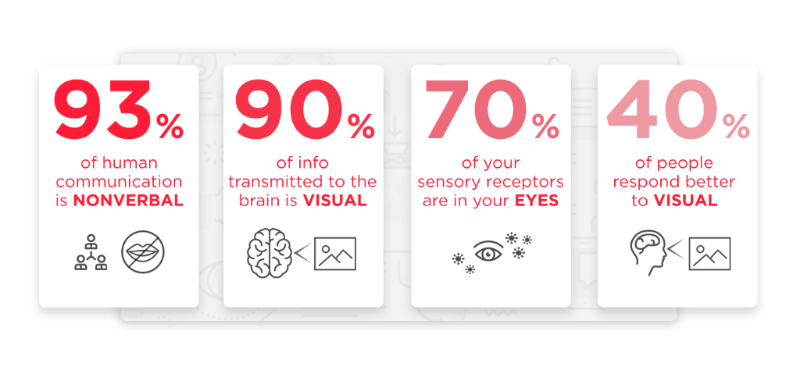
Study after study confirms that how you create and share content matters — with visual content leading the way.
unnamed (2)

According to research by Kissmetrics, photos get 53% more likes, 104% more comments and 84% more click-throughs on links than text-based posts. Facebook recommends each post you create should include some type of creative, like images, GIFs or videos.

43060749_1968821373181950_3618822294081634304_n.jpg

Make sure these creative assets are of high quality. Avoid using blurry images or videos or creative that doesn’t accurately reflect your brand or message. If you post any pictures of your patients, be sure to obtain their permission.

Pro Tip: You can easily create your own images with drag-and-drop tools, like Canva and Ribbet.  They will also automatically create the right sizes for your Facebook page, so you don’t need to worry about it.

2. Keep things simple

Facebook advises that “simple posts with clean creative are best at capturing an audience’s attention” and recommends the following tips:

· Keep your color scheme clean and consistent

· Include images that are recognizable

· Use minimal, concise and impactful text

3. Share a behind-the-scenes photo of your office

People love to see behind the scenes of your practice – so bring your camera to your next staff meeting, lunch or event. Sharing pictures of your employees (with their permission, of course) makes your practice so much more relatable.

download (24)

4. Post about cause awareness events

Whether it’s Breast Cancer Awareness Month, Alzheimer’s Disease Awareness Month or Healthy Weight Week, there is a cause awareness month you can write about at least once a month.

download (23)

5. Create holiday-themed posts

Christmas, Hanukah, Thanksgiving — they all provide an opportunity to share holiday themed advice or send best wishes to your followers.  You could also join in fun holidays like National Donut Day. Check out this calendar to keep you right up to date with ideas.

6. Post news and updates from your practice

Are you rolling out a new program, product or service? Have you acquired a new piece of equipment that affords better care? Let your followers know about it. Patients will appreciate you keeping them informed.

download

7. Share videos

Video has become the predominant way we consume information. The average video post generates 135% greater organic reach when compared to photo posts according to research from Social Bakers.

Here are some tips to use video more effectively on Facebook

8. Go Live

Facebook Live videos get three times the engagement of traditional videos shared on the platform and it draws 10 times as many comments as regular video. Facebook actively prioritizes live video by placing it at the top of the News Feed, as well as sending notifications to potentially interested audience members. Additionally, Facebook Live videos are archived on Facebook and can be viewed and shared after the live broadcast.

download

Tips for going live (via AAP News)

  • Consider making a regular time for your show if you plan on frequent live videos.
  • Choose topics that will engage your audience and provide valuable education.
  • Tell viewers ahead of time when you are going live.
  • Greet your viewers and respond to their questions and comments by name.
  • Promote your live video on multiple social media platforms to increase engagement.
  • Be prepared. Create an outline of key points and questions.
  • Make sure you have a strong internet connection and no institutional firewall blocking your broadcast.

Recommended: Social Media Marketing: How To Master The Art Of Going Live

9. Create Facebook Stories

Facebook Stories — user-generated slideshows and video collections — are short (around 20-seconds) pieces of content created on your smartphone and available for up to 24 hours. After this time your story automatically deletes itself, although there is an option to save your content.

10. Post When Your Followers Are Online

To optimize your engagement and reach, you want to share content when your audience is online. If you search for optimal posting times, you will find many guides online. You can follow these recommendations as a starting point, but it’s best to do your own testing to see which days and times work best for your own audience.

1_fAHzya34yDjuoWBA0w0pSQ

Facebook makes it easy to find out your optimal posting times by navigating to the Insights Tab and selecting Posts. Here you will get data about when your Facebook Page fans are online for each day of the week.  Once you’ve determined your optimal posting times, make use of Facebook’s post scheduling feature to post at just the right time.

To Wrap Up

While I have focussed on increasing organic reach on Facebook, the reality is that Facebook is a pay-to-play environment now. You will need to include paid strategies for a successful Facebook marketing plan. Use organic content to analyze and test to see what works best with your audience. You can then use these insights for paid ads. Your top-performing posts are proven content. With the right ad targeting, these posts can continue to reach and engage more people.

 

Posted in #HCSM

What’s the Influence of Patients’ Internet Health Information-Seeking Behaviour on the Patient-Physician Relationship?

How and in what ways does patients’ Internet health information-seeking behaviour influence the patient-physician relationship?

The rapid proliferation of health information on the Internet has resulted in more patients turning to the Internet as their first source of health information and acquiring knowledge on their health conditions before seeking a professional diagnosis.

This is changing the ways that patients interact with healthcare providers. Gone are the days when individuals passively received health information and interventions, assuming that a doctor held all the answers. Nowadays, it’s increasingly common for patients to find resources and/or seek out additional information online.

With online health information becoming increasingly popular among patients, this may change the way in which patients interact with and participate in consultations with their physicians and how they feel about their relationship with their physicians.

When researchers Sharon Swee-Lin Tan and Nadee Goonawarden systematically reviewed existing research on patients’ Internet health information seeking and its influence on the patient-physician relationship, they found that it can improve the patient-physician relationship depending on whether the patient discusses the information with the physician and on their prior relationship.

The impact of patients seeking online-heath information on the clinical encounter

In their review, Swee-Lin Tan and Goonawarden point to two over-arching concerns.

(1) Misinformation on the web

With the quality of medical information on the web ranging from peer-reviewed to personal blogs and anecdotes of other patients, patients may not possess the necessary skills to evaluate medical information and relate it to their own health circumstances. Therefore encouraging patients to discuss their Internet information searches is increasingly important, given that acquiring information on the Internet has the potential to misguide patients with inaccurate information.

(2) Satisfaction and trust in physician

When patients’ online findings do not align with physicians’ diagnosis or treatments, concerns have been raised as to how a patient’s appointment satisfaction and trust in the physician would be affected, and how conflicts could occur between the physician and patient – physicians could feel threatened by the information and respond defensively by asserting their “expert opinion.” This may then result in dissatisfied patients who may seek a second opinion, change the physician, change their treatment plan, or self-medicate using recommendations found on the Internet.

A study published in the Journal of Family Practice reported that eighty percent of patients went online post-visit. Dissatisfaction with the physician’s performance motivated information seeking for 40% .jpg
A study published in the Journal of Family Practice reported that eighty percent of patients went online post-visit.  Dissatisfaction with the physician’s performance motivated information seeking for 40% of respondents.

Facilitators of discussion of online findings during consultations

The review highlighted 3 facilitating factors that encouraged patients to discuss online health information with their physicians:

(1) Having a family member present at doctor visits

Having a family member present would help patients remember what to ask and made the context more comfortable to share online findings.

(2) Doctor-initiated inquiries

Some patients reported incidences of doctors’ positively encouraging patients to search the Internet for information.

(3) Encountering a treatment-related advertisement that suggested talking with a doctor.

Online advertisements or recommendations about certain medications and treatment prompted some patients to initiate a conversation with their physicians.

Barriers to discussion

(1) Concerns over how physicians would react

The most common barrier to patients’ willingness to discuss their online findings was that patients were skeptical of how physicians would react: “patients were afraid doctors would perceive them as “challenging” and  “confrontational” if they discussed their health condition from a more informed point of view during consultations.”

(2) Physician resistance to discussion of Internet information

The second most common barrier for patients was “the resistance or discouragement from physicians encountered when patients tried to discuss their Internet information research during consultations.”

Conflicts arising from physicians and patients having different interpretations of the online information (when patients valued this information more) had adverse implications for the patient-physician relationship, resulting in higher levels of patient anxiety, confusion, and frustration.

Patients also felt that some physicians reacted in a way that “implicitly or explicitly discredited the patients’ ability to become informed via the Internet, presenting serious barriers to shared decision making during consultations, with the physicians asserting their authority by dismissing patient-acquired knowledge.”  As a result, “patients carefully observed their physicians before deciding whether to reveal their Internet research, and patients would only bring up their Internet health searches if they felt the situation was right.”

(3) Fear of embarrassment

A third major barrier was the fear of embarrassment. Patients who identified this to be a barrier felt “they did not possess the required skill set to evaluate online medical information. They had a lower level of confidence in the trustworthiness and the credibility of online information. They manifested a sense of being unsure of how to explain the information they found and how to relate it to their own condition, and hence did not want to mention it to their physicians.”

Other than these three main barriers, some patients did not discuss their findings during consultations because “they did not think the information was important enough and they searched the Internet just to be informed.”  Other reasons cited were “a reluctance to interfere with physicians’ diagnostic process and lack of time during doctor visits.”

Implications for the patient-physician relationship

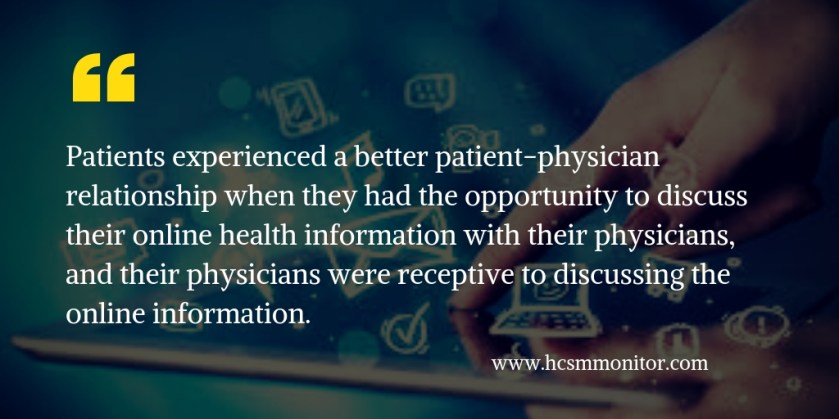
Patients experienced a better patient-physician relationship when they had the opportunity to discuss their online health information with their physicians, and their physicians were receptive to disc (1).jpg

In the studies reviewed by the authors, most patients felt that “Internet health information seeking prior to consultations had improved their communication with doctors and the effectiveness of their consultations.”

Patients felt more in control and confident during the consultation as a result of bringing information to their physicians. Patients also felt more confident in their physicians’ diagnosis once they had discussed their online findings.

Patients used the information to help them prepare for their visit, ask better questions, and understand what the physicians told them (they believed the patient-physician communication had improved because they could understand their doctors and the jargon they used better).

By discussing information they had accessed on the Internet or setting questions in advance, “patients were able to better understand and participate in consultation sessions with their doctors.” Thus patients “felt better equipped to communicate with their physicians during the consultations” resulting in “greater clarity, orientation, and certainty.”

A majority of patients had felt more comfortable with information from health care providers because of their Internet searches and felt more confident with the doctor’s advice.  Interestingly, patients who shared online information felt that they received more attention from their physician, compared with non-sharers.

The patients’ sense of empowerment was dependent on how receptive providers and specialists were to the patients’ desire to take part in the decision-making process. The review showed that “the effect of online information on the patient-physician relationship depended on several factors.”

(1) The positive influence of online information was stronger when patients had an opportunity to discuss their online findings.

Patients who perceived their information search to have improved their relationship with physicians saw the Internet as an additional resource that supported doctors’ advice and enhanced the relationship with doctors. On the other hand, when patients valued the information they found on the Internet above their physicians’, this information led patients to ignore physicians’ expertise.

Not disclosing their Internet information searches could erode patients’ trust in their physicians if the diagnosis or the recommendations are different from their Internet research findings.

(2) Physicians’ reaction to patients when they shared their online findings could determine the positive or negative effect on the relationship’s quality.

When patients perceived physicians to be threatened by their bringing online information, 49% of the patients were seriously dissatisfied with the consultation and 4% believed their relationship was worsened. Conversely, patients felt that the relationship was strengthened “when physicians displayed adequate communication skills in discussing patients’ queries.”

(3) The quality of the existing relationship with physicians

Patients judged their physicians’ reactions as “mostly positive when they had a good prior relationship, even when the doctors’ replies were evasive or openly critical of the patients’ Internet search.”

Conclusion

It’s important to note that patients don’t see their information searches as a substitute for clinical advice.  Patients typically see the Internet as an additional resource that can help them to better understand doctors’ recommendations and advice.  They still value traditional doctor-patient consultations as important to their understanding of online health information, and their trust in physicians remained very high. Under this model of care, the physician acts as a teacher or a friend by engaging patients in a dialogue through the decision-making process.

When physicians embrace openness to online information and encourage patients to discuss the online information they have, patients’ perception of physician resistance and fear of embarrassment could be reduced and patients are more likely to discuss online information with their physicians.

In contrast to the belief that patients’ Internet research can erode the patient-physician relationship, our findings show that patients’ Internet health information seeking has the potential to improve the relationship.

The authors conclude that as patients have better access to health information through the Internet and expect to be more engaged in health decision making, traditional models of the patient-physician relationship need to be adapted to patients’ changing needs by incorporating their perspective into a relationship-centered medical paradigm.


Tan SSL, Goonawardene N. Internet Health Information Seeking and the Patient-Physician Relationship: A Systematic Review. J Med Internet Res 2017;19(1):e9

Further reading: 

Posted in #HCSM

Not Just a Headache: How People With Migraine Use Social Media 

A recently published study* has set out to describe how people with migraine use social media and how social media use affects their identity and sense of self.

Migraine symptoms are typically episodic and unpredictable, making it a difficult condition to manage in daily life. It is distinctive from other chronic conditions as it lacks a visible illness marker. This can cause frustration for the person with migraine when the condition is not understood (or believed) and may result in altered self-concept or self-esteem. As a consequence, people with migraine may not receive adequate support owing to the experience of illness and pain being subjective.

Social Media Use

The study recruited 20 patients in total. Participants’ use of social media tended to fit on a spectrum from actively engaging with social media to more observational social media users, and some people in between.

Facebook was the most commonly used social media platform among participants. Many sought information and social support from closed migraine-specific Facebook groups. Blogs were used by 2 participants. A total of 3 participants used YouTube to observe migraine symptoms and learn about migraine causes or pain reduction. One participant created YouTube videos to educate others about migraine. Twitter was often viewed as a more professional domain rather than personal.

Seeking and Sharing Information

The study findings suggest that people with migraine are using social media to obtain health-related information to better understand their condition and treatment options.

In total, 11 said they gained expertise in migraine knowledge and 13 gained awareness of new treatments. For some, interacting with others in Facebook groups resulted in a change of self-management for migraines.

In total, 14 participants said they shared information with other users on social media, mostly on Facebook. Some shared information with others who experience migraines in migraine-specific groups.

Others used social media to share information with people who do not experience migraine by posting on their personal Facebook walls, seeking to help others to understand their condition.

16 participants spoke about the benefit of pooling knowledge on social media. The dialogue and collaboration with other users added another level of benefit to information seeking and sharing.

A total of 12 participants said information gathered on social media had increased their confidence, knowledge, and skills in managing their own health care.  Others benefited from reading the online discussion and not taking part themselves.

A total of 10 participants spoke about the need to experience migraine to truly understand it. Being able to read the lived experiences of other people with migraine was beneficial in providing personally relevant information

Social Support

Social media can offer instant access to continuous migraine-related information, as well as social support from empathic others. The opportunity to pool the subjective lived experience of migraines on social media was described as invaluable, and the exchange of support and information was viewed as mutually beneficial

A total of 10 participants described not feeling alone and that social media had helped them to feel less isolated. For some, social media provided a source of support for an unpredictable and invisible illness.  They spoke of the invisible and episodic nature of the condition that may contribute to societal misunderstanding about the impact and severity of migraine.

A total of 14 participants referred to migraine being an invisible illness, with 10 participants saying they had been given patronizing or unhelpful advice offline by others who often saw migraine as just a headache. In total, 18 participants discussed how the use of social media can help validate the migraine experience and combat the lack of understanding about the unpredictable and invisible nature of migraine.

I think the worst thing for people is not getting support…I think social media can be a good way of calling that out when we see it and people going: “Yes, that happened to me. That’s not okay.” There’s quite a lot of validating involved.

For 19 participants, the process of being able to hear about others’ experiences and compare them with their own provided a sense of comfort. In the cases where people were unsure of what they were experiencing, reading similar accounts from others provided validation and reminded them that they were not alone.

After accessing content on social media, some participants benefited from reassurance regarding unusual symptoms.

In this sense, the use of social media served to normalize what some felt might be abnormal. In total, 6 participants also described social media as a lifeline:

I don’t know how people survived beforehand actually, especially because it’s [migraine] invisible.

A total of 10 participants referred to social media being available all the time, providing a continual source of contact with other users not limited to geographic location.

A total of 10 participants described how they used social media as an outlet for discussing frustrating migraine experiences. Social media was a resource for some participants to cope with the emotions that built up from their experiences. 8 participants described how venting to other people on social media can prevent over-burdening family and friends.

Study Conclusion

Social media can help validate the experience of migraine and in turn help people who experience migraines to feel better understood and less alone. How migraine is part of a person’s identity and represented online varies. Further understanding about the needs of people with long-term chronic conditions may help in the development of future Web-based interventions to improve health and well-being.


*Pearson C, Swindale R, Keighley P, McKinlay AR, Ridsdale L. Not Just a Headache: Qualitative Study About Web-Based Self-Presentation and Social Media Use by People With MigraineJ Med Internet Res 2019;21(6):e10479

Related

Migraine Tweets – What can online behavior tell us about disease?

Posted in #HCSM

What Do Patients Complain About Online?

A group of researchers across China, the United Kingdom and the USA has set out to develop a taxonomy framework for patient complaints online based on patient centeredness and to examine whether the determinants of patient-centered care (PCC) mirror the determinants of patient experiences.

As internet availability and usage grows worldwide, patients are spontaneously rating their experiences with physicians and hospitals by sharing their opinions about health encounters on the World Wide Web via mediums such as social media websites, Web-based consumer opinion platforms, and physician rating websites.

Previous research has demonstrated that patients are often influenced by peer-submitted comments posted on opinion and rating websites when making health care decisions

Why this study matters

  • Medical providers are able to leverage the information posted on such platforms to better comprehend patient experiences and engagement levels and increase the understanding of patient frustrations and joy points during hospital visits.
  • By capturing patient data in real-time, health care providers can use them as a quality metric to highlight insufficient physician performances or irregular events.
  • Given the intrinsic value of comments posted online by patients, it is important that health care providers make efficient use of the information collected.
  • Patient complaints online can indicate weaknesses in the health care system through the eyes of the patients’ themselves.

Interested to learn more?

Read Liu J, Hou S, Evans R, Xia C, Xia W, Ma J. What Do Patients Complain About Online: A Systematic Review and Taxonomy Framework Based on Patient Centeredness. J Med Internet Res 2019;21(8):e14634

You might also like to read How do healthcare staff respond to patient experience feedback online? A typology of responses published on Care Opinion

Posted in #HCSM

Social Media In Healthcare: How To Communicate With Impact

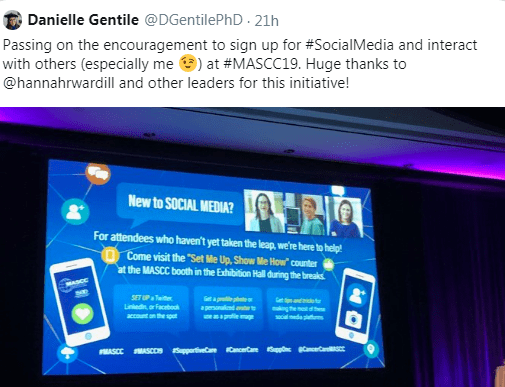
Last week I had the pleasure of delivering a presentation on using social media to communicate with impact, at the Annual Meeting on Supportive Care in Cancer, which took place in San Francisco  For those who are interested, here is a copy of my slide-deck.

The conference really impressed me with their push to get attendees on board with social media and their use of social media ambassadors at the event.

Picture1

It’s certainly something that more conferences should pay attention to. It takes work for sure but the end result is so worth it.

Posted in #HCSM

What Information Are Parents of Children with Cancer Looking For Online?

If you haven’t already guessed it by now, I’m a sucker for a good research study. I believe strongly that we need a  more robust evidence-base around why and how people use social media for health-related information.

The latest study* I want to share with you concerns the information seeking behaviour of parents of children with cancer.

Why this study matters

For a parent, learning their child has cancer can be overwhelming, stressful, and debilitating. After a new cancer diagnosis, parents seek social support and information from multiple sources including healthcare providers and the internet. Not surprisingly the study shows that parents of children with cancer performed health-related searches at over twice the rate performed by the general population. Online searches peaks at about one month after cancer diagnosis.

To date, little has been known about the specific information parents of children with cancer search for online.  Although it has been shown that cancer searches online correlate to cancer prevalence at a population level, little is known about the specific, granular information parents search for online.

Understanding the content of parents’ searches over time offers insight into what matters most to parents and helps to identify knowledge gaps that could inform more comprehensive approaches to family education and support.

Why do parents use the web for information?

The study authors put forward some suggestions for why parents of children with cancer search online for information. One reason may be that they don’t feel their providers shared information in appropriate depth. “Alternatively, because these types of searches require less medical sophistication to interpret, parents may feel more comfortable searching for them online compared with medical information,” the authors suggest.  Or parents may simply forget to ask questions about these topics when medical providers are present and subsequently search for supportive care information at a later time.

What kind of information are parents seeking online?

Over half of the cancer-specific searches were for cancer support, such as queries for cancer charities and inspirational quotations.

Among the overall health-related searches, 31% were for “symptoms, disease and medical information.” Supportive care and logistic-related health searches were extremely common, and health insurance searches were also present, although to a lesser extent. Other relatively common health-related search categories included “Medications” (and “Treatment and disease management.” 

How health professionals can use this information

The study authors believe the results are most applicable for family support and education.

Given the peak of internet use near the time of diagnosis, educational interventions to improve parents’ ability to navigate the internet for cancer information should be considered.

The authors highlight the need to support parents’ need for logistical information. This “represents a measurable and potentially modifiable domain through interventions such as website design and educational materials.”

Study Conclusion

Google search content offers insight into what matters to parents of cancer patients. More research is needed to explore use of Google to obtain health-related information and utilize this to inform future education, quality, and research initiatives and better understand how internet use influences healthcare decision-making.

* Charles A Phillips, Alaina Hunt, Mikaela Salvesen‐Quinn, Jorge Guerra, Marilyn M Schapira, L Charles Bailey, Raina M Merchant. Health-related Google searches performed by parents of pediatric oncology patients. Pediatric Blood and Cancer, May 9, 2019. doi: 10.1002/pbc.27795.


Related Reading 

Digital Health Checkup: 10 Signs It’s Time To Redesign Your Medical Practice Website

Do Online Health Seekers Trust Social Media? Surprising Results From A New Survey 

Posted in #HCSM

How Do Consumers Evaluate the Quality of Online Health Information?

A new study* has set out to identify criteria that consumers use to evaluate the quality of online health information, and the indicators they use to support their evaluation.

Criteria and Indicators Used To Evaluate Online Health Information

The study reports that the most widely reported criteria used by consumers were (1)  trustworthiness, (2) expertise, and (3) objectivity, followed by transparency, popularity, and understandability.

The indicators were related to (1) source (a website or the owner, creator, or sponsor of the site), (2) content, and (3) design. The most widely reported indicators were site owners/sponsors; consensus among multiple sources; characteristics of writing and language; advertisements; content authorship; and interface design.

(1) Source

Mixed attitudes were found toward some indicators representing site owners/sponsors. Firstly, most participants believed that government websites reflect high levels of expertise and good intentions; however, some consumers suspected that the information on government websites is biased due to their agendas and some, particularly younger generations, did not identify themselves with government sources, considering them “less cool” and not relatable

Secondly, people usually considered websites owned by commercial companies less objective and trusted more websites with no commercial interests; nevertheless, popular commercial websites such as WebMD.com were favored by some people for their expertise and comprehensiveness.

Individuals’ prior knowledge and experience of a source were mentioned most frequently as factors that influence quality judgment. Consumers tended to trust sites that they had experience with, because they may already know the source to be credible, have had positive experiences with it, have seen it from advertisements on other media (eg, television and magazine), or are familiar with the organization behind the source.

Trust in Social Media

Consumers had mixed attitudes toward social media sites. Some consumers favored online discussion groups, chat rooms, and listservs because they offered first-person narratives and practical information and support from peers with whom they could identify, but some disliked such sites for their lack of objectivity and expertise.

Concerning Wikipedia, some people questioned its objectivity because information can be edited by anyone on the Web, but some consumers were attracted to its encyclopedic nature and comprehensiveness.

2. Content

Content refers to the information contained in a source as well as the presentation of the information. Eight categories of content-related indicators were identified: substance, writing and language, presentation, references, authorship, audience, date/updating, and advertisements.

The most frequently reported content indicators were about consensus among sources. Content that appears in multiple sources, be it online sources, sources in other media (eg, newspaper, television, books, and academic journals), or health care professionals, is trusted by consumers.

Writing- and language-related factors were the second most frequently reported content indicators. Consumers expect high-quality information to be error-free in spelling and grammar, use straightforward language, and have a clear layout. The use of medical and technical vocabularies had mixed views. For some consumers, high-quality information was easy to understand, that is, it exhibited less use of professional medical vocabularies or provided easy-to-understand definitions of medical jargon; however, for others, the use of technical vocabularies demonstrated expertise and was highly valued

The third most frequently reported indicators were advertisements. Consumers expect quality websites to neither depend on advertisements nor seek to make a profit. Therefore, sites with advertisements were considered less objective.

3. Design

Design refers to the appearance of a website or an app and the user experience (UX) it gives. Four categories of design-related quality indicators were identified: interface design, interaction design, navigation design, and security settings.

The most frequently reported design indicators were related to interface design, mostly visual factors, including the overall appearance of a site, the graphics it includes, and font size.

Interaction design features, including links, interactive functions, and other interactive features (eg, loading time and login requirement), were the second most frequently mentioned quality indicators.

Sites with robust search capabilities (eg, easy to locate and diverse search entrance), offering useful tools (eg, self-management tools), and rendering smooth user-system interaction (eg, providing links to additional relevant sources and not having pop-ups) were perceived as high quality.

Navigation-related indicators such as navigation aids and site maps were the third most frequently mentioned quality indicators.

Key Takeaway For Healthcare Marketers and HCPs

The ability to critically evaluate the quality of health information is an important component of health literacy which is an important determinant of health.

The findings of this study have practical application for designers of online health information for patients. The authors recommend the incorporation of positive indicators (eg, offering authors’ credentials and presenting information in a clear and organized way) and avoidance of negative indicators (eg, dead links and flash media format) to offer users better information seeking experiences.

The fact that the same indicator (eg, government institutions as the source owner) can lead to different quality judgment for different people suggests that designers should also carefully investigate target users’ values and the corresponding criteria that they use to evaluate health information. This calls for active user research and user involvement in the design process.

Related Reading 

Digital Health Checkup: 10 Signs It’s Time To Redesign Your Medical Practice Website 

Evaluating the Quality of Health Information in a Changing Digital Ecosystem

Do Online Health Seekers Trust Social Media? Surprising Results From A New Survey 

What Information Are Parents of Children with Cancer Looking For Online?


* Sun Y, Zhang Y, Gwizdka J, Trace CB, Consumer Evaluation of the Quality of Online Health Information: Systematic Literature Review of Relevant Criteria and Indicators
J Med Internet Res 2019;21(5):e12522
Posted in #HCSM

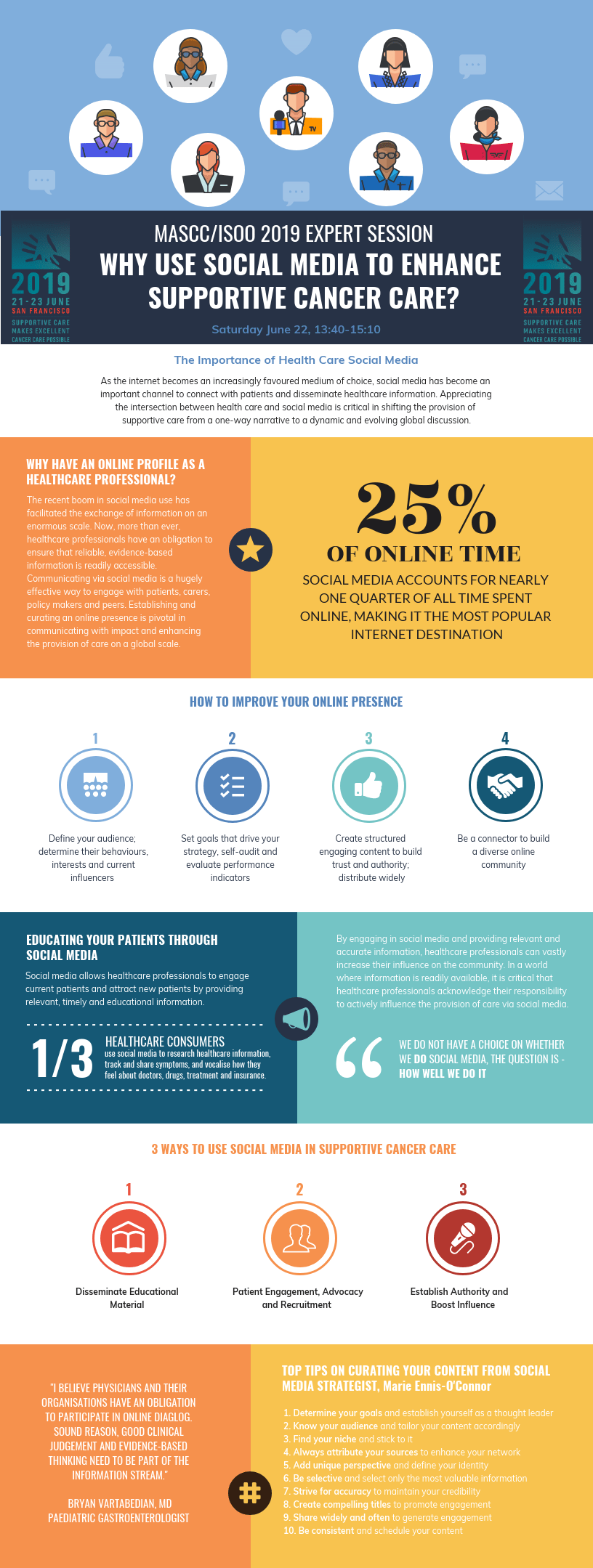
How Social Media Can Enhance Supportive Cancer Care [Infographic]

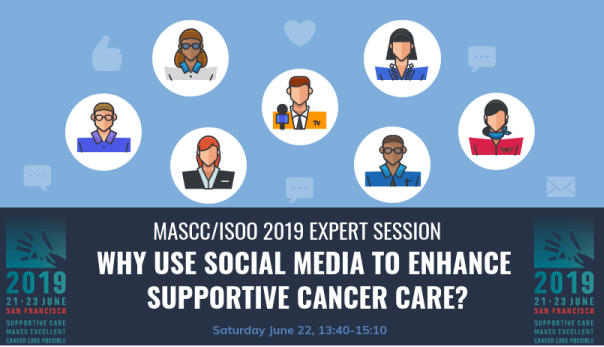
Next month, I will be presenting to attendees at the joint Annual Meeting of the Multinational Association of Supportive Care in Cancer (MASCC) and the International Society of Oral Oncology (ISOO), which will take place in San Francisco, June 21 to 23, 2019.

The topic will be one of my favourite things to talk about –  the role of social media in healthcare. To promote the session, MASC Ambassador, Dr Hannah Rose Wardill has produced this infographic. I wanted to share it with you today for two reasons. Firstly, it’s an awesome infographic and secondly, it’s a super promotion idea for a conference. Hannah sourced the content of the graphic from articles and posts I’ve written on this topic.

I’m really so impressed with how Hannah did this and I can already see I will be borrowing this idea next time I want to promote my speaking sessions in the future.

socialmediacancercare

Posted in #HCSM

A-Z of HCSM: Z is for Zoom #AtoZChallenge

AtoZ2019tenthAnn

26 posts. 26 days. 26 letters of the alphabet, one blog post beginning with each letter.

Z is for Zoom

So I made it through to Z and with the exception of one letter (for the life of me I couldn’t come up with a social media related word for X!)  I stuck to the challenge.

It’s been a great way to get into a daily blogging habit and I highly encourage you to consider doing something similar for your own niche.

Now on with today’s post.

Zoom is a tool I use several times a week for conference calls. It allows you to have video conferences with anyone from around the world. You can also hold online meetings, trainings, webinars and conference calls with the Zoom app.

The free plan allows unlimited one on one video conferencing and up to 40 minutes for groups. It also includes screen share, a chat function and a record feature.


For more productivity tools like Zoom, check out my list of 30 Essential Productivity Tools Every Business Owner Should Try In 2019

Posted in #HCSM

A-Z of HCSM: Y is for YouTube #AtoZChallenge

AtoZ2019tenthAnn

26 posts. 26 days. 26 letters of the alphabet, one blog post beginning with each letter.

Y is for YouTube

YouTube has more than 1.8 billion monthly active users, and remains the online video leader. 

People around the world are now watching a billion hours of YouTube’s content every single day.  That’s a huge amount of time spent watching diverse content on the channel.  Here are some more staggering stats to consider.

download.png

YouTube is the second largest search engine in the world with added SEO potential due to its Google connection.  YouTube also has live-streaming options and social tools, which it’s expanding as it works to keep in line with evolving consumer trends.

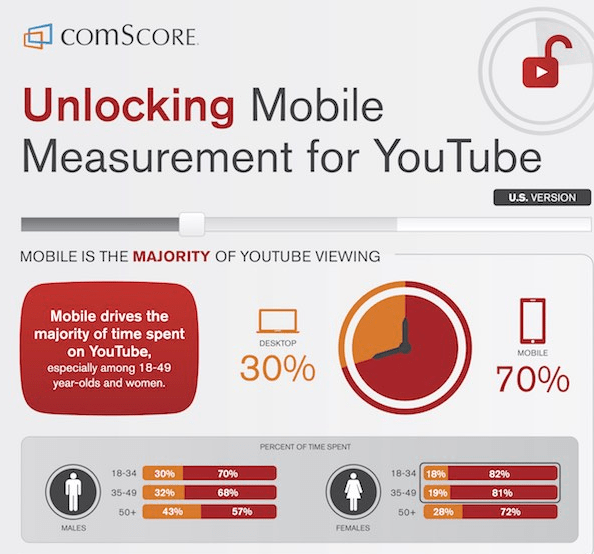
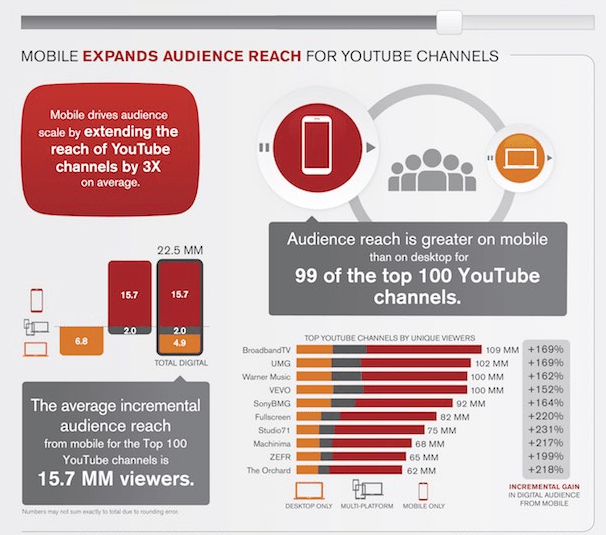
Mobile devices now account for 70% of all time spent on YouTube by adults in the US, according to research from comScore. Audience reach is bigger on mobile than on desktop for 99 of the top 100 YouTube channels in the United States.

download.png

Mobile viewing is especially popular with younger adults (age 18-34) and women, the analysis found. YouTube mobile viewers tend to watch shorter-form videos than desktop viewers do. However, mobile viewers watch nearly three times as many videos per month, on average.

download.png

Check out more YouTube stats here 

YouTube is a platform that people are searching every day for how to solve their problems and get their questions answered. As a form of patient education and health promotion, it has great potential but recent studies show it is not being used to its full potential.

2013 study which examined the effectiveness of YouTube as a source of medical information on heart transplantation found it time-consuming to find high-quality videos and recommended that more authoritative videos by trusted sources should be posted for the dissemination of reliable information. Similarly, a 2015 study found that in YouTube videos related to skin cancer, there was a missed opportunity for cancer prevention and control.

These findings notwithstanding, there are some good examples of medical organizations who are already using YouTube to communicate health information. Mayo Clinic, in particular, stands out, with over 250K subscribers to its channel. I particularly like its series of Mayo Clinic  Minute videos.

If you don’t already have a YouTube channel for your practice, check out my guide to getting started with YouTube here


You might also like to read 9 YouTube stats to inform your marketing strategy in 2019