Posted in #HCSM

7 Places To Discover What Your Audience Wants To Read (So You Can Write It For Them!)

In this post, you’ll learn about some effective ways to discover the content your audience is looking for so you can create that content for them.

Creating healthcare content your audience will want to read is an ongoing challenge. I want to help you solve that challenge by sharing with you 7 different ways you can uncover the content your audience is looking for so you can create that content for them.

Let’s dive in.

1. Look To Your Analytics
1_MU9BGwRuHyQ3gGB4OTz2RQ

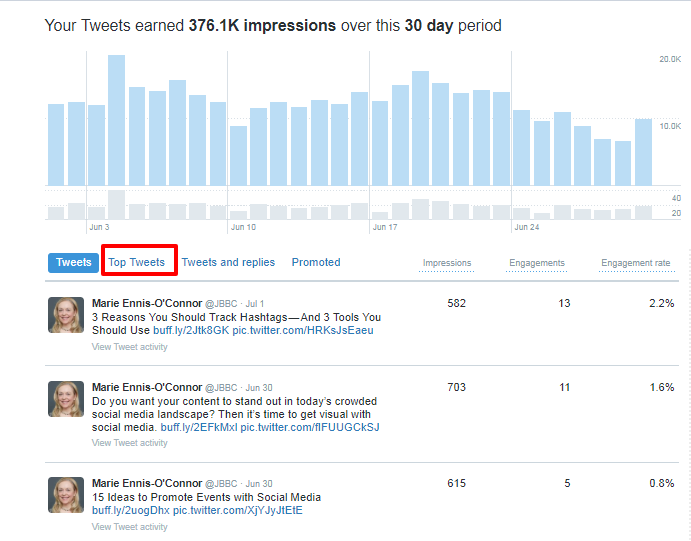
Analyzing your website and social media analytics is a great starting point when creating healthcare content for your audience.  Use Google Analytics to track top-performing content on your website, and the native analytics tools of each of the social networks you use to discover the type of posts that get the most engagement (shares, comments, likes, click-through rates, etc.) By identifying your most successful content, you can replicate and build upon it in future content creation efforts. 

2. Ask Your Audience

Go right to your audience and ask them what kind of content they’d like to see from you. You can conduct surveys through email, social media, or on your website. When creating a survey, make sure to ask specific questions that will help you better understand your audience’s needs, such as what health-related topics they are most interested in, what challenges they are facing, and what types of content they prefer (e.g. articles, videos, podcasts). You can use the information gathered from surveys to tailor your content strategy and create more relevant and engaging healthcare content for your audience.

Tip: You can also create quick polls on Facebook, Twitter, and Instagram and post a question such as “What content do you want to see more of?”

1_eoa4nZpMhyhcEJgVkzAXaw

3. Monitor Social Media 

Social media platforms like Twitter, Facebook, LinkedIn, and Instagram can provide valuable insights into the conversations your audience is having and the topics they are discussing. By monitoring social media, you can identify trending topics, common questions, and challenges that your audience may be facing. You can also track engagement metrics such as likes, comments, and shares to see which types of content are resonating with your audience. To make the most of social media monitoring, it’s important to stay active on these platforms, engage with your audience, and participate in relevant conversations. This can help you build a stronger connection with your audience and better understand their needs and interests.

4. Check Out Competitor/Peer Websites

Keeping an eye on your competitors’ (or peers’) websites can provide valuable insights into what healthcare topics and content formats are resonating with your audience. By reviewing their websites, you can identify gaps in their content and potential opportunities for your own content. For example, if they’re not covering a certain healthcare topic that your audience may be interested in, you can create content on that topic to fill the gap. Additionally, reviewing their content can help you identify new angles and perspectives on healthcare topics that you may not have considered before. However, it’s important to keep in mind that while competitor/peer analysis can be helpful, you should focus on creating unique and valuable content that sets you apart from your competitors.

4. Ask Questions on Quora

Quora is a question-and-answer platform where you can either ask a question about your topic or simply do a search using your topic keyword to find what people are asking about that topic. It’s a great platform for healthcare professionals to engage with their audience and learn about their interests and concerns. By answering questions related to healthcare topics on Quora, you can establish yourself as an expert in your field and build trust with your audience.

Additionally, Quora can be a valuable source of inspiration for creating new healthcare content. By monitoring the questions being asked on Quora, you can identify trends and topics that are of interest to your audience. You can also use Quora to ask your own questions and gather insights and feedback from other healthcare professionals and consumers. When using Quora, it’s important to provide high-quality and informative answers to questions, and to engage with other users in a respectful and professional manner. This can help you build a positive reputation on the platform and attract a larger audience.

Yahoo Answers and Reddit are also good places to do market research online.

5. Conduct Keyword Research

Conducting keyword research can be a valuable tool for creating healthcare content that is optimized for search engines and meets the needs of your audience. By using keyword research tools, you can identify the specific words and phrases that your audience is using when searching for healthcare information online. This information can help you create content that addresses their specific needs and concerns. Additionally, by optimizing your content for relevant keywords, you can improve your search engine rankings and increase your visibility to your target audience. When conducting keyword research, it’s important to focus on long-tail keywords that are more specific and less competitive, as these can be easier to rank for and are more likely to attract high-quality traffic to your website.

6. Use Google Related Searches

Google’s “related search” feature can be a helpful resource for generating ideas for healthcare content. When you enter a search query into Google, the search engine will display related searches at the bottom of the search results page. These related searches are based on user interest and contextual words and can provide valuable insights into what topics are related to your search query. By reviewing the related search results, you can identify new angles and perspectives on healthcare topics that you may not have considered before. Additionally, the related search results can provide inspiration for creating new healthcare content that is relevant and useful to your audience. When using the related search feature, it’s important to focus on topics that are both relevant to your audience and aligned with your brand’s messaging and values. This can help ensure that your content is both engaging and valuable to your audience.

6. Find Inspiration at Conferences and Events

By attending industry events, you can hear from experts, participate in discussions, and network with other healthcare professionals. This can help you identify emerging trends and issues that you may not have been aware of before, and can provide valuable inspiration for creating new healthcare content. Additionally, attending events can help you establish yourself as an expert in your field and build relationships with other professionals in your industry.

Crafting healthcare content that connects with your audience can be challenging. However, by following the proven strategies outlined in this post, you can generate content that is both informative and captivating. By aligning your content with the needs and interests of your audience, you can establish yourself as a trusted and authoritative source of healthcare information, and nurture a following of engaged readers who will return to your content time and time again.

You might also like to read:

Posted in #HCSM

Exploring The Potential of Social Media for Improving Health Literacy

Health literacy is an essential component of health education that enables individuals to take an active role in managing their health and well-being. However, a significant portion of the population lacks the skills and knowledge necessary to navigate the complex health information landscape. Individuals with low health literacy may have difficulty understanding health information, accessing healthcare services, and making informed decisions about their health, which can negatively impact their health outcomes.

In recent years, social media has emerged as a promising tool for improving health literacy.

Firstly, it offers a platform for individuals to access a wide range of health-related information in real-time, from trusted sources such as health organizations, healthcare professionals, and patient advocacy groups.

Secondly, social media allows for peer-to-peer interactions, enabling individuals to connect with others who share similar health concerns and engage in discussions about their health. This social support and engagement can promote health literacy by increasing motivation, building confidence, and providing a sense of community. Additionally, social media can facilitate the sharing of personal experiences, leading to increased awareness and understanding of health issues.

Continue reading this post on Digital Health Matters

Posted in #HCSM

Boost Your Online Presence: 14 Tips to Increase the Visibility of Your Healthcare Website

With the majority of people turning to the internet to search for healthcare information and services, it’s essential to ensure your website is easily discoverable and highly visible. In this post, I’ll provide you with some effective tips to increase the visibility of your healthcare website and attract more potential patients to your practice.

1. Audit Your Competitors/Peers

By auditing your competitors (or your peers) websites you can gain valuable insights into what works well and identify areas for improvement on your own website. If their websites are more streamlined, functional, and fresher than yours, they may be drawing in more patients with a stronger online presence.  Critically evaluate the sites in terms of look, design, and functionality. Do they include a blog? Helpful checklists? Pre-registration forms patients can fill out to save time before their appointment? An online appointment system?  Screenshot the design features you think work well and think about how you might incorporate them into your own website.

Read How To Conduct A Competitor Audit on Social Media for more tips.

2. Sign Up For Google Analytics

Google Analytics is a free tool that will help you identify how well your website is performing over time. By analyzing your website’s metrics, such as the number of visitors, bounce rate, and time spent on the site, you can identify areas for improvement and develop strategies to enhance user engagement. A high bounce rate can negatively impact your website’s search rankings, as it indicates that visitors quickly leave your site without finding what they were looking for. By regularly monitoring and analyzing your website’s metrics, you can make informed decisions to optimize your site’s content and design, resulting in increased visibility and improved user experience.

3. Tailor Your Site’s Information To Reader Needs

Is your website nothing more than a glorified brochure? By identifying the most frequently asked questions in your practice, you can create content that directly addresses these concerns and provides helpful answers. This can include blog posts, videos, and FAQs that provide practical advice, tips, and insights related to common health issues or medical procedures. By offering this type of content, you demonstrate your expertise and establish trust with potential patients, which can ultimately lead to increased traffic and conversions on your website.

4. Use Keywords Strategically

Keyword research is the process of identifying the words and phrases that people use when searching for information related to your business or industry. By incorporating these keywords into your website’s content, meta tags, and other elements, you can help search engines understand the relevance and value of your site for those search terms.

Recommended Reading: The Power of Long-Tail Keywords for Driving Traffic to Your Website

5. Optimize Your Site For Local Search

If you want more people to find you online, you need to optimize your website through good search engine optimization practices. And if you want to attract new patients, your website also needs to be optimized for your local area. When someone uses the internet to locate a Medical Practice nearby, it’s critical that your website appears in those results (searches on mobile devices containing the phrase “near me” has skyrocketed in recent years). Optimizing your website for local search includes adding your practice’s name, address, and phone number to your website. You should also include local keywords in your website content, such as the name of your city or town. Additionally, getting positive reviews from patients on popular review sites like Google My Business can also help improve your local search rankings.

Why and How You Should Optimise Your Medical Website For Local Search

6. Optimize Your Site For Voice Search

The majority of patients searching for information on the web still trust search engines but the way people search for information online is changing. Increasingly, people are using voice search on their smartphones, tablets, or voice assistants (like the Amazon Echo or Google Home devices) to search for information on the internet (yet another compelling reason to make sure that your site is optimized for mobile). In essence, voice searches are largely about answering questions. Here are some tips to consider while generating content for voice activation devices.

7. Make Sure Your Website Is Mobile Responsive

With the increasing use of smartphones and tablets, more and more patients are searching for healthcare information and services on their mobile devices. In addition, Google’s algorithm now prioritizes mobile-friendly websites in its search rankings, which means that having a mobile-responsive website can have a significant impact on your visibility in search results.

To check if your website is mobile-responsive, you can use the Mobile-Friendly Test tool provided by Google. Simply enter your website URL, and the tool will analyze your site and provide feedback on its mobile-friendliness.

8. Include A Blog

Including a blog on your medical practice’s website can have numerous benefits. It can help establish you as an authority in your field and provide valuable information to potential patients. Regularly updated blog content can also improve your website’s search engine ranking and drive more traffic to your site. When creating blog content, consider the topics and questions that your patients are most interested in. This can include information about common health conditions, treatments, and preventative care tips. You can also write about industry news and updates, and share patient success stories or testimonials.

Need a topic for your healthcare blog? Here are 12 ideas to get you started

9. Drive More Traffic With Social Shares

Enabling social sharing buttons on your website is an effective way to encourage visitors to share your content on their social media profiles, which can help increase the visibility of your website and attract more traffic. By making it easy for visitors to share your content on platforms like Facebook, Twitter, and LinkedIn, you also increase the chances of your content going viral and reaching a wider audience. This can ultimately lead to more traffic, more backlinks, and higher search engine rankings.

10. Include Patient Testimonials

Adding patient testimonials to your website is a great way to build trust and credibility with potential patients. Make sure to include testimonials from a variety of patients, including those who have had different types of procedures or treatments. You can also include testimonials from patients who have had positive experiences with your staff or who have been pleased with the overall atmosphere of your practice. To make the most of patient testimonials, consider including them on your homepage or a dedicated testimonials page. You can also sprinkle them throughout your site on relevant pages or blog posts. Finally, don’t forget to promote your patient testimonials on social media and other marketing channels to maximize their impact.

11. Use High-Quality Images and Videos

Adding high-quality images and videos can be an effective way to create a more visually appealing website and improve the user experience for visitors. In the healthcare industry, images and videos can be particularly powerful in helping patients understand complex medical procedures or conditions. However, it’s important to keep in mind that using images and videos comes with some considerations. For example, it’s important to ensure that any images or videos you use are properly licensed and don’t infringe on copyright laws. Additionally, images and videos should be optimized for web use to avoid slowing down your website’s loading time.

10 Places To Find The Best Free Images For Your Healthcare Marketing

12. Add Clear Calls-to-Action

Your website should have clear calls-to-action (CTAs) that encourage visitors to take the desired action, whether it’s to schedule an appointment, fill out a form, or call your office. Make sure your CTAs are prominently displayed on your website and are easy to find. Additionally, it is important to use action-oriented language in your CTAs to make them more effective. For example, instead of just saying “Click Here,” use a more specific and action-oriented phrase such as “Schedule Your Appointment Now.” By using clear and compelling language in your CTAs, you can increase the likelihood that visitors to your website will take the desired action.

13. Make Sure Your Website Is Secure

Ensuring that your website is secure is crucial for building trust with your patients. HTTPS encryption protects the data that is exchanged between your website and your visitors’ browsers, making it much harder for anyone to intercept or tamper with that data. It’s especially important if you have a patient portal or any other feature that requires users to submit personal information. In addition to HTTPS encryption, displaying security badges, such as the Norton Secured Seal or the McAfee SECURE trustmark, can help reassure visitors that your website is safe and secure. These badges are a visual indicator that your website has undergone certain security checks and meets certain standards.

14. Consider Paid Advertising

While organic search results are important, consider using paid advertising to increase your visibility online. With tools like Google Ads and social media advertising, you can target specific demographics and interests, allowing you to reach the people most likely to be interested in your services. Additionally, paid advertising can be a good way to supplement your organic search results, especially if you’re in a highly competitive market. Just be sure to set clear goals, track your results, and adjust your strategy as needed to get the best possible return on your investment.

Wrapping Up

Your website is pivotal to your digital marketing strategy. And with more patients than ever searching online for you, it’s imperative that your website is optimized for them to find you.  Investing time and resources into optimizing your website can pay off in the long run with increased traffic, more patient inquiries, and ultimately, more business. It’s a worthwhile investment that can help set you apart from your competitors and position your practice for success in the digital age.

Posted in #HCSM

Healthcare Marketing in the Digital Age: Insights from the Top 50 Most-Visited Websites

The internet is a vast and ever-growing space, with billions of users accessing an endless array of websites every day. But which websites are the most popular, attracting the highest number of visitors?

With an estimated two billion websites in existence, the internet can seem like a never-ending maze of information and content. However, traffic numbers reveal a select few websites receiving the bulk of internet traffic.

A recent article by Visual Capitalist has delved into the data to reveal the top 50 most visited websites, offering insights into the most popular online destinations and the types of websites that attract the most traffic.

With the internet becoming increasingly central to our daily lives, the ranking of the top 50 most-visited websites provides valuable insights for healthcare marketing. By understanding the websites that receive the most traffic, healthcare marketers can determine the most effective platforms for promoting their services and connecting with their target audience.

Click here to learn more

Posted in #HCSM

OK Google: Why & How Your Medical Practice Should Prepare For Voice Search

Your patients are searching for you online. In today’s digital age, patients are more likely than ever to turn to the internet when seeking health information and medical services. As a result, it’s crucial for medical practices to have a strong online presence in order to attract and retain patients.

With 77% of all health inquiries starting at a search engine, and 72% of internet users looking for health information online in the past year, having a well-optimized website, an accurate Google My Business listing, and relevant, up-to-date information can make a significant impact in attracting potential patients and establishing a trustworthy reputation.

In this post, we’ll explore why and how your medical practice should prepare for the increasing trend of online health inquiries through voice search. By preparing for voice search, medical practices can stay ahead of the curve and ensure that they are easily discoverable to patients searching for health-related information online.

While the majority of patients searching for information on the web still trust search engines the way people search for information online is changing. Increasingly, people are using voice search on their smartphones, tablets or voice assistants to search for information on the internet – yet another compelling reason to make sure that your site is optimized for mobile!.

With the increasing use of virtual assistants and other voice search devices, people are able to search for information hands-free and in a more natural, conversational manner. This shift towards voice search makes it even more important for medical practices to optimize their websites for mobile devices and ensure that their content is optimized for voice search queries, using clear and concise language, conversational tone, and schema markup to give search engines more information about the content on their site.

How people are using voice search

In research carried out by BrightLocal, consumers were asked how they used voice assistants and voice search for local business. The top three most demanded voice search functions involve finding restaurants, grocery stores, and food delivery, with clothing, accommodation, and medicine following closely behind.

what-consumers-want-voice-search.png

The Voice Search for Local Business Study also revealed that 46% of voice search users use voice search to find local businesses daily.

how-often-do-people-search-for-local-businesses-using-voice-search.png

How to optimize your website for voice searches

In essence, voice searches are largely about answering questions, not about focusing on individual keywords. SEO is fast becoming AEO (Answer Engine Optimisation). When people talk to their voice assistants, they don’t form their inquiries the same way that they do in typed search queries. Rather, they tend to ask conversational questions, for example, “What’s the closest dental clinic to me?” instead of “dental clinic near me.”

question-phrases-are-more-searched-1024x449 (1).jpg

5 ways to optimize your website for voice searches

  1. Use conversational language: People use natural language when using voice search, so it’s important to use conversational language in your website’s content to match this style.
  2. Optimize for long-tail keywords: Voice search queries tend to be longer and more specific, so it’s important to optimize for long-tail keywords that match the questions people are asking.
  3. Make sure your site is mobile-friendly: A large percentage of voice search queries come from mobile devices, so it’s important to make sure your site is optimized for mobile and easy to use on smaller screens.
  4. Utilize schema markup: Schema markup is a type of code that provides additional information to search engines about the content on your website. This can help search engines understand your content better and provide more accurate results for voice search queries.
  5. Improve website load times: Voice search users expect quick results, so it’s important to have a fast-loading website that can quickly provide the information they’re looking for.

With the majority of health inquiries starting at a search engine and the increasing use of voice search, having a well-prepared website is a crucial aspect of any successful medical practice’s marketing strategy. By implementing these steps, medical practices can make sure their website is optimized for voice search and easily discoverable to patients looking for health-related information online.

Posted in #HCSM

Drive More Traffic to Your Healthcare Website with Long-Tail Keyword Optimization

When it comes to attracting potential patients, having a strong online presence is essential.

With the majority of health inquiries starting at a search engine, it’s crucial to make sure your website is optimized for search engines so that you can be easily discoverable to people looking for information related to your medical practice.

One important aspect of search engine optimization (SEO) is optimizing for long-tail keywords, or specific, longer phrases that people are using when searching for information online.

In this post, we’ll go over the steps you can take to optimize for long-tail keywords and improve your website’s visibility in search results.

Optimizing for long-tail keywords involves identifying the specific, longer phrases that people are using when searching for information online. Here are some steps to optimize for long-tail keywords:

#1 Conduct Keyword Research

Conducting keyword research is the first step in optimizing for long-tail keywords. By using tools like Google Keyword Planner or SEMrush, you can gain insight into the specific, long-tail keywords that people are using when searching for information related to your medical practice. This information can help guide your content creation and website optimization efforts, ensuring that you’re targeting the right keywords and attracting potential patients to your website.

When using keyword research tools, look for keywords with a high search volume and low competition, as these are often the most effective keywords to target. You should also consider the context in which the keywords are being used, as well as their relevancy to your medical practice, to ensure that you’re targeting the right keywords for your audience. By conducting thorough keyword research, you’ll be able to identify the long-tail keywords that will help improve your website’s visibility in search results and attract more potential patients to your website.

#2 Create content around long-tail keywords

Once you’ve conducted keyword research and identified the specific, long-tail keywords that people are using when searching for information related to your medical practice, the next step is to create content around those keywords. This can include blog posts, FAQ pages, and service pages that specifically target the keywords you’ve identified.

When creating content, make sure to include the long-tail keywords in the title tags, headings, and meta descriptions of your pages to improve your website’s visibility for those keywords. Additionally, it’s important to write high-quality, informative content that provides value to your potential patients. This will not only improve your website’s visibility in search results but also establish your medical practice as a trustworthy source of information, helping to build trust with potential patients.

Incorporating long-tail keywords into your content creation efforts is an effective way to improve your website’s visibility in search results and attract more potential patients to your website. By creating content that specifically targets the long-tail keywords you’ve identified, you can ensure that your website is discoverable to people searching for information related to your healthcare practice.

#3 Incorporate long-tail keywords into page titles, headings, and meta descriptions

Incorporating long-tail keywords into the titles, headings, and meta descriptions of your website’s pages is an important aspect of optimizing for long-tail keywords. By including the keywords in these key elements of your website, you can improve your website’s visibility in search results and attract more potential patients to your website.

  • Make sure that the title of each page on your website includes the main long-tail keyword for that page. Keep the titles concise and descriptive, and make sure that they accurately reflect the content of the page.
  • Use headings (H1, H2, H3, etc.) to structure your content and make it easier for search engines to understand the relevancy of your page to a specific keyword.
  • The meta description is the brief summary that appears below the page title in search results. Make sure to include the main long-tail keyword for each page in the meta description to help improve the visibility of that page in search results.

#4 Use variations of long-tail keywords

Using variations of long-tail keywords is an effective way to improve your website’s visibility in search results and reach a wider audience. By using different variations of your target keywords, you can ensure that your website is discoverable to people using different phrasing or wording when searching for information related to your practice.

For example, if your target keyword is “best orthopedic surgeon near me,” you could also include variations such as “top-rated orthopedic surgeon near me” or “best orthopedic doctor in the area.” This can help improve your website’s visibility in search results, as search engines will recognize that your website is relevant to a wider range of keyword searches.

It’s important to note that when using variations of long-tail keywords, you should avoid keyword stuffing, which is the practice of overusing keywords in an attempt to improve visibility in search results. Instead, use variations of your target keywords in a natural, seamless way throughout your content to ensure that it remains high-quality and informative.

Wrapping Up

By following the steps outlined here you can improve your website’s visibility for the specific, long-tail keywords that people are using when searching for information related to your medical practice, and ultimately attract more patients to your website.

Posted in #HCSM

Need a topic for your healthcare blog? Here are 12 ideas to get you started

Is blogging part of your 2023 plans?

Starting a healthcare blog can be a great way to share information and educate others about various health topics. It can also serve as a platform to share personal experiences and connect with others who have similar health concerns. Additionally, a healthcare blog can be a useful tool for healthcare professionals to share their expertise and connect with patients. It can also be a way for healthcare companies and organizations to disseminate information and connect with their audience.

Creating a blog is relatively easy; the challenge lies in consistently updating the content. If you are struggling to come up with new ideas on a regular basis for your blog, then this list of 12 content ideas should help get you going again.

#1 Share Facts About A Common Medical Condition

What kind of questions do your patients most frequently ask about a specific medical condition? Compile a list of these frequently asked questions and answer them on your blog.

#2 Curate Content

Curation is the process of identifying and sharing relevant and high-quality information from various sources with a specific audience. It can be an effective way to provide valuable information to your audience without having to spend a lot of time and resources on creating original content. However, it’s important to remember that curation should complement, not replace, your content creation plan. A balance of curated and original content can help to establish your brand as a thought leader, while keeping your audience engaged with fresh and diverse information.

Recommended Reading: 10 Golden Rules of Content Curation

#3 Announce a New Product or Service

Are you rolling out a new program, product, or service? Write a blog post to introduce it and highlight its features and benefits.

#4 Update Readers on Industry Trends

Healthcare is constantly changing and evolving. Can you predict or comment on the latest healthcare trend? Readers will enjoy learning about it through your blog, particularly if you share your own unique perspective. Stay informed by regularly reading industry-specific news and publications, following thought leaders and experts on social media, and attending relevant conferences and events. Use technology tools such as Google Trends to track keywords and phrases related to industry trends, and to monitor social media conversations.

#5 Create A Poll

There are several online tools you can use to create a readers’ poll. If you have a WordPress.com site, then you’ve got Polldaddy polls already built in. You can create, manage, and see results for all of your polls directly in your WordPress.com dashboard. If you use a WordPress.org install on your self-hosted site, install the Polldaddy WordPress.org plugin. Use it to get a snapshot of readers’ attitudes to health topics like vaccination, screening, complementary therapy, mental health – the list is endless. Publish a follow-on post with your findings.

#6 Write About A Day In The Life

Describe a typical day in your work life as a healthcare professional. You should be careful not to write about specific patients though, or to commit any other breach of confidentiality or privacy.

#7 Plan Posts Around Seasons and Events

An editorial calendar is a valuable tool for tracking and planning content, particularly when it comes to seasonal, cultural, and industry events. By using an editorial calendar, you can ensure that your blog stays timely and relevant and that you are regularly publishing content that aligns with your readers’ interests.

Recommended Reading: Get Ahead of the Game: 7 Types of Content Planning to Help You Succeed in 2023

#8. Share The Latest Medical Research

Have you been to a conference recently where you learned about new medical research? Or read about the latest research in a medical journal?  Let your readers know about it through your blog. Make sure you provide full references and links to online publications.

Here’s an example of this done really well by breast surgeon, Dr Deanna Attai on her blog.

#9 Invite A Guest Blogger

Ask a colleague to write a guest blog on an area of their expertise. There are several benefits of guest blogging, including, increased exposure, variety of content, and improved SEO.

#10 Interview An Expert

Choose a respected healthcare professional and interview them for your blog. Interviewing respected healthcare professionals or experts in your field can be a great way to provide valuable insights and information to your readers. Alternatively, you can also contact several experts in your field and have them answer a question. Once you have all the answers, you can turn them into one big blog post. This will provide a broad perspective on the topic from different experts which is informative and engaging.

#11 Write About A Trending Topic

Writing about a trending topic can be a great way to engage your audience and stay relevant in your field. Provide your unique perspective on a trending topic. Find out what’s “hot right now” online by using Google Trends, Twitter.com/Search and Reddit.com.

#12 Provide a Weekly Round-Up Of Healthcare News

A weekly round-up of healthcare news can be a great way to keep your readers informed about the latest developments in the healthcare industry. Categorize the news based on the topic, such as medical research, policy changes, technological advancements, etc. Write a brief summary of each news item, highlighting the key points and providing context.

These are just a few ideas to get you started, but there are many more possibilities. The key is to always be on the lookout for new and interesting topics to cover and to be consistent in your blogging schedule.

You might also like to read 3 Places To Find Interesting Ideas For Your Healthcare Blog

Posted in #HCSM

How To Set SMART Goals For Your Healthcare Marketing This Year

Social media success is based on setting goals, but I am constantly amazed at how many businesses give little thought to creating their social media objectives.

1_bgucRYUb0lQr6fe9Sm8kPg
Source: Finances Online

When working with clients to create an online marketing strategy, one of my first questions to them is simply “what are you hoping to achieve with social media?” So many times I see businesses jump on board the latest social network without any thought as to what they actually want to achieve there.

Strategy Without Goals Is Putting The Cart Before The Horse

Without specific goals in mind, it can be difficult to measure the success of your efforts and make meaningful changes to your approach. Clear goals will not only propel your strategy forward, but they will also serve as defined metrics when it comes to measuring your progress.

0_T9Dm2aEGZMmfCQjC

Common Social Media Marketing Goals

Below you will find a list of some common social media marketing goals — decide which of these is most aligned with your business goals.

  • Attract more patients to your practice
  • Improve the quality of health information online
  • Drive traffic to your  website
  • Run a disease awareness campaign
  • Establish online authority and credibility

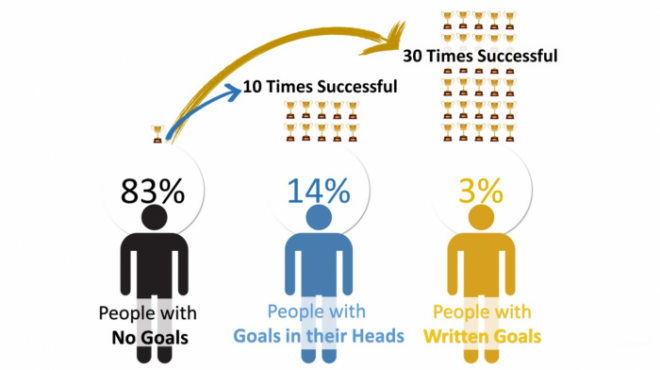
Tip: Research shows that writing down your goals increases the completion rate of goals.

How To Set SMART Social Media Goals

For a goal to become a reality, it needs to be specific, measurable, attainable, and realistic, as well as time specific — these are often called SMART goals. SMART goals are one of the longest-lasting, most popular goal-setting frameworks for business.

Let’s take a closer look at what makes a goal SMART

Specific — the more specific you can be with defining a goal, the easier it will be to clearly see what it is you are trying to achieve. Let’s take as an example a goal to increase your Twitter followers by 10%.

Measurable — how will you measure your success? In this case it’s easy to measure 10% growth in Twitter followers when you check your follower numbers.

Attainable — is your goal attainable? Can you realistically achieve this Twitter growth?

Relevant — a relevant goal is aligned closely to your social media objectives. Is this goal relevant to your overall social media strategy?  Is Twitter the right platform for your communications?

Time Specific — give your goal a deadline – for example, increase your Twitter followers by 10% by the end of the month.

Wrapping Up

Setting SMART goals to which you can align your social media activity is a good guarantee of online marketing success. Once you have a clear set of goals, you can track your key performance indicators (KPIs) and metrics more accurately. It’s also important to note that SMART goals are flexible and can be adjusted as necessary. Continuously re-evaluate and adjust your goals as needed to ensure that they remain relevant and aligned with your overall business objectives. A winning formula is to measure, adjust and then rinse and repeat.

Posted in #HCSM

5 Ideas To Celebrate #PharmacistDay This Week

Pharmacist Day is celebrated on January 12th every year to recognize the contributions that pharmacists make to healthcare.

It’s a great opportunity for pharmacists to share their work and experiences with the public, and to raise awareness about the important role that pharmacists play in keeping communities healthy.

If you’re a pharmacist, you can use social media platforms like Facebook, Twitter, Instagram, and LinkedIn to share information about your work and to connect with other pharmacists and healthcare professionals. You can also use hashtags like #PharmacistDay or #Pharmacy to join the conversation and find other resources and information about pharmacy.

Here are a few more ideas:

  1. Share a post on Facebook or Instagram highlighting the important role that pharmacists play in healthcare. You could include information about your daily work, the types of services you provide, or the ways in which you help patients.
  2. Use Twitter to share quick facts or statistics about pharmacy and the impact that pharmacists have on public health. You could also use hashtags like #PharmacistDay or #Pharmacy to connect with other pharmacists and healthcare professionals.
  3. Create a LinkedIn post or article highlighting the achievements and contributions of pharmacists in your community. This is a great way to connect with other professionals and showcase your expertise.
  4. Start a live Q&A on Instagram or Facebook to answer questions about pharmacy, medication safety, or any other topic related to your work. This is a great way to engage with your followers and build your online presence.
  5. Collaborate with other healthcare professionals or organizations on social media campaigns to raise awareness about the importance of pharmacy. This could involve creating joint posts, hosting online events, or sharing relevant content on your social media channels.

This presentation I gave in 2020 about how pharmacists can create online impact might also be of interest to you.

Posted in #HCSM

E-Professionalism and Online Professional Boundaries: Considerations for Healthcare Professionals on Social Media

Social media tools provide a unique set of opportunities in healthcare, but with these new opportunities come a number of potential challenges. As health professionals navigate the world of social media, concerns have arisen regarding questions of ethics and professionalism and how the use of social media fits within the social contract between the medical profession and society.

In today’s world of widespread social media use, it is important for healthcare institutions to establish guidelines for the professional use of social media. This can help to maximize the positive effects of social media in healthcare, such as improved communication with patients and the promotion of health-related information, while minimizing the negative effects, such as the risk of the unauthorized disclosure of patient information or the spread of misinformation.

This will become even more important as a generation of individuals who grew up sharing their lives online enters the workforce. Some medical students may view social media as irrelevant to the workplace and may not see it as a factor in evaluating professional abilities.

Organizational worries about social media come from a variety of perspectives, but they may generally be divided into three categories: reputation, privacy, and boundaries. Policies and training for social media can be developed in these connected, yet separate sectors.

Reputation

The ethical standards expected of healthcare professionals do not change because they are communicating through social media rather than face-to-face. However, using social media creates new circumstances in which the established principles apply. Healthcare professionals have a responsibility to uphold the values of their profession and to maintain a professional online presence. They should be mindful of the public nature of social media and avoid inappropriate or unprofessional behavior.

Inappropriate or unprofessional behavior on social media can damage the reputation of both the individual and the organization and may undermine public trust in the profession. Social media conversations can last indefinitely and reach a potentially large and unknown audience. What may be intended as a private joke or a way to decompress by complaining about the workplace or coworkers can be misconstrued when published on social media. This can have negative consequences for both the individual and the organization, as it may be perceived as indicating a lack of professionalism or care for patients.

Privacy

Healthcare professionals have a duty to protect the privacy of their patients and must be careful to not disclose any personal or medical information about patients on social media or other online platforms. This includes avoiding the use of social media for communication about patient care or treatment.

Discussing patient situations on social media, even if the patient cannot be clearly identified, carries a high risk of unauthorized disclosure of patient information. One instance to illustrate this occurred at a Kansas nursing school. Four nursing students were dismissed from their program after one student shared a picture of a patient’s placenta on her Facebook page. Even though the picture did not include any identifying information about the patient, the school regarded this behavior as unprofessional and took disciplinary action. [1]

Boundaries

Online interactions can present challenges when it comes to maintaining professional boundaries. The line between personal and professional content can be blurry on social media, and it can be difficult to determine what constitutes appropriate professional behavior.

It is not uncommon for healthcare professionals to receive friend requests from patients on social media. This can present a challenge in terms of maintaining appropriate professional boundaries while also using social media to improve the patient-provider relationship.

One way to address this issue is for healthcare professionals to consider the nature of their relationship with the patient and the potential risks or benefits of accepting the friend request. For example, if the relationship with the patient is primarily professional, it may be more appropriate to decline the friend request in order to maintain clear boundaries. On the other hand, if the relationship is more personal and the healthcare professional feels comfortable accepting the friend request, it may be a way to build trust and improve the patient-provider relationship.

Professionalism is the foundation for the social contract between the medical profession and society. Healthcare professionals will need to apply principles of professionalism to new settings to establish guidelines and policies for ethical conduct. Ongoing discussion regarding the role of social media in healthcare is necessary as both the technology and our understanding of it continue to evolve and increasingly influence the healthcare landscape.


Notes

[1] Miller LA. Social media: friend and foe. J Perinat Neonatal Nurs. 2011;25(4):307–309