Posted in Cool Tool

Monday Morning Cool Tool: YouTubeToWav

This week’s cool tool recommendation is YouTubeToWav, a free, browser-based converter that lets you paste a YouTube link and download the audio in WAV format (or other formats like MP3, FLAC, OGG, and M4A).

What are WAV files?

If you’ve ever worked with audio, you’ve probably come across WAV files. They’re one of the oldest digital audio formats around. WAV remains a gold standard when you need sound that’s crystal-clear and uncompressed.

WAV (short for Waveform Audio File Format) was created by Microsoft and IBM back in the 1990s. Unlike MP3 or AAC, which shrink audio down by compressing it, WAV keeps every detail intact, making it ideal for recording, mixing, or mastering. This makes it perfect for preserving original sound files without worrying about future degradation.

Common Uses

  • Podcasters grabbing background clips (with permission).
  • Educators saving lecture snippets for offline use.
  • Anyone wanting a higher-quality copy of audio to work with.

Why Use

  • Quick and simple: No registration, no software download.
  • High quality: Offers up to 1536 kbps for clarity.
  • Flexible: Works on desktop or mobile with all major browsers.

⚠️ Copyright Compliance: Downloading audio from YouTube may infringe on copyrights—ensure you have the right to do so.


Bottom line: WAV isn’t the format you’ll use for everyday playlists (unless you have unlimited storage), but when quality matters, it’s the format you want in your toolbox. And if you need an easy way to get started, YouTubeToWav is a lightweight, no-fuss option.

Posted in Cool Tool

Monday Morning Cool Tool: ReadyScriptPro

This week’s cool tool recommendation is ReadyScriptPro — an AI-powered script generator designed to help content creators develop polished scripts for short films, TikToks, YouTube videos, and more.

If you’ve ever struggled with writer’s block, inconsistent dialogue, or finding the right pacing for a short-form video, ReadyScriptPro is like having a creative partner on demand.

The platform streamlines the creative process by:

  • Generating complete scripts from simple prompts.
  • Offering a “script doctor” feature to improve pacing, tone, or clarity.
  • Suggesting scene directions and dialogue flow.
  • Helping creators produce professional-sounding content faster.

The tool works in a browser, with a clean dashboard that makes drafting, editing, and exporting scripts straightforward.

Tool Snapshot

FeatureWhat It Does
Script GeneratorCreates full scripts from simple text prompts
Script DoctorImproves pacing, tone, and dialogue
Creative suggestionsOffers alternative lines, plot turns, or dialogue choices
Freemium modelFree to start, with advanced features possibly in premium plans

Pricing

ReadyScriptPro follows a freemium model. You can get started for free with basic script generation, making it easy to experiment without upfront cost. A paid tier with premium features (such as longer scripts, advanced editing, and expanded creative suggestions) is expected, though official pricing details have not yet been fully published.

Posted in Cool Tool

Monday Morning Cool Tool: SkyReels

This week’s cool tool recommendation is SkyReels AI Studio, an AI-powered video creation platform.

SkyReels AI Studio enables anyone to create dynamic videos through intuitive, end-to-end workflows from scriptwriting and storyboarding to AI voice-overs, lip-syncing, music, and video editing.

Key Features

Video Tools

  • Import Storyboards & Clips — Import your own storyboards or short clips to jumpstart the creative process and save production time.
  • AI Video Generator — With one click, convert text to video or image to video. Instantly turn ideas into personalised, high-quality videos.
  • AI Image and Video Generator — Generate dynamic sequences from simple text prompts, powered by advanced AI synthesis.
  • Video Editing Tools — Fine-tune every frame, transition, and effect to ensure your video aligns with your creative vision.
  • Video Cutter — Trim, split, crop, resize, compress, or rotate videos effortlessly. Create polished, professional clips in SkyReels’ all-in-one video editor.

Image Tools

  • Image Generator — Create customised AI images from text or reference images with diverse models and art styles. The generator maintains character consistency for a cohesive look across your project.

Audio Tools

  • Text to Speech — Convert text to lifelike speech in seconds with a library of emotive, natural-sounding voices.
  • Lip Sync — Upload a video or image and generate accurate lip-synced results automatically, bringing stills and clips to life with custom voices.
  • AI Sound Effects — Instantly create professional sound effects tailored to your project—no more trawling through stock libraries or worrying about licensing.
  • Music Generator — Produce the perfect soundtrack or song to match your video’s mood. Generate music on demand for shorts, ads, presentations, or creative projects.

Why this tool is a valuable addition to your content creation toolkit

SkyReels stands out by streamlining the video creation process into a few simple steps—all within a single platform. The magic lies in its AI-driven capabilities:

  • End-to-end automation: No hopping between script, visuals, and audio tools.
  • Creative consistency: Maintains character look, motion, and audio styling across scenes.
  • Time-saving: Accelerates content production, particularly for short-form formats like Reels and Shorts.

Pricing

SkyReels is free to try. You get 300 credits upfront plus 50 daily credits to experiment.

If you need more, paid plans start at $7.90/month (Basic), with Standard ($28) and Pro ($76) tiers offering higher credit limits, faster queues, and extra features.

It’s flexible enough that you can dip your toe in without commitment, then scale up if you find it fits your workflow.

Posted in Cool Tool

Monday Morning Cool Tool: Text Optimizer

This week’s cool tool recommendation is Text Optimizer – a tool to help you optimize your content to rank better on SERPs (Search Engine Results Pages)

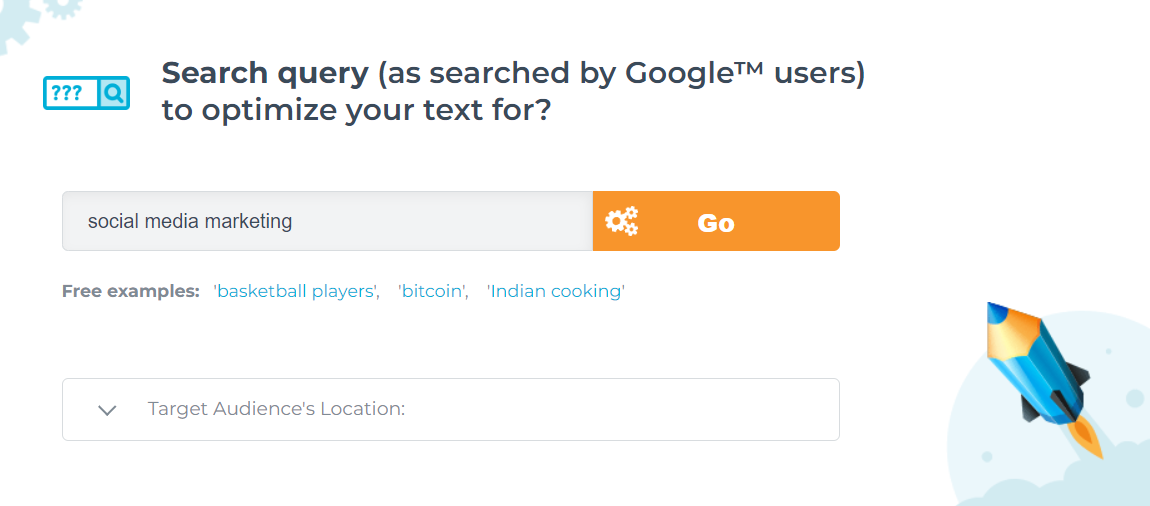
Text Optimizer extracts terms and concepts from search engine results pages (SERPs) and analyzes their semantics to generate a list of questions for inclusion in your articles.

Choose the search engine you wish to optimize for, input the desired search terms, select a target location, and either paste your text or provide a link to your existing content.

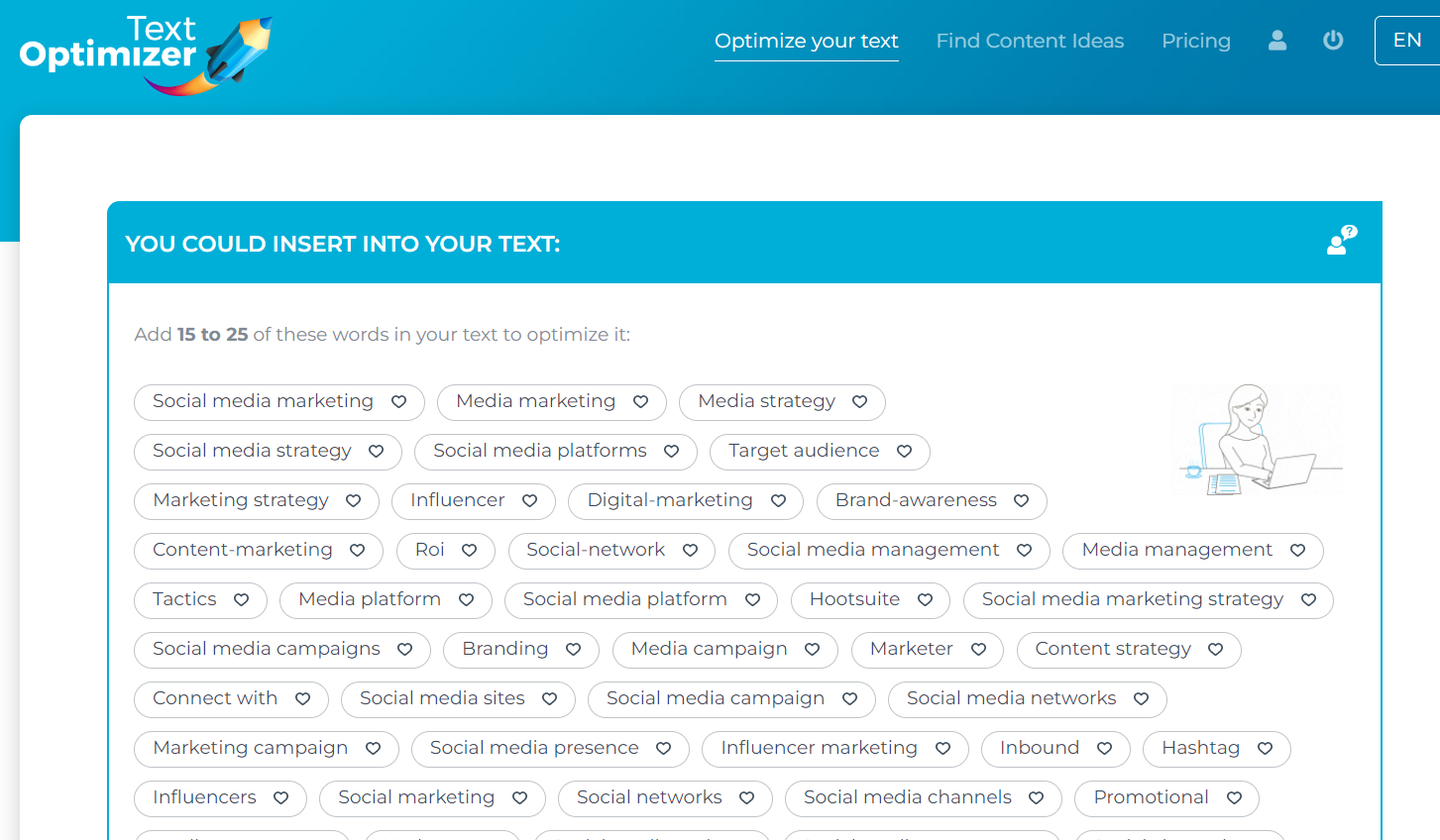
And here are just some of my results – the tool returns many more suggestions.

You can use the tool to compare your existing text to the snippets Google returns for that query if you already have a page you want to rank. After scoring your text, it will suggest adding some of those suggested terms to your content.

Why this tool is a valuable addition to your online content strategy

Google generates its search snippets based on which sentences from ranked pages best answer the query. In other words, the search snippets are Google’s best (in its opinion) summary of the topic of the query. The semantic analysis of these snippets and the extraction of related terms and topics will give you a better understanding of what you need to include in your content.

Posted in #HCSM

Getting Health Messages Shared: What Really Works on Instagram

Instagram has evolved far beyond being a hub for fashion, food, and lifestyle brands. With more than 2 billion monthly users, it has become one of the most potent platforms for storytelling, education, and awareness-building. For healthcare communicators, that reach is impossible to ignore.

What makes Instagram especially effective is its ability to translate complex or sensitive health information into visual, accessible, and emotionally resonant content. Reels, carousels, and infographics allow you to distil big ideas into bite-sized, shareable moments. The platform also connects directly with younger demographics — Millennials and Gen Z — who are less likely to seek health information through traditional media or institutional websites.

But here’s the critical insight: shares matter more than likes.

  • A like signals agreement.
  • A comment shows engagement.
  • But a share extends your reach into entirely new networks — multiplying visibility and influence far beyond your existing followers.

For health messages — where the goal is often awareness, education, or behaviour change — shares are the ultimate form of amplification.

So, what makes people hit the share button? Let’s look at five proven types of content that consistently get shared.

1. Motivational or Inspirational Content

Why it works: Inspiration is universal. People share motivational content because it makes them feel uplifted, and they want others to feel the same.

Healthcare examples

  • A resilience story highlighting a patient’s recovery journey (with consent and sensitivity).
  • A reel showcasing the dedication of frontline staff during a public health campaign.
  • A quote graphic emphasising the importance of small, daily habits for long-term health.

Tip: Keep it authentic. Forced positivity rings hollow, but real, human stories resonate deeply. When possible, focus on lessons learned or a hopeful outcome, not just glossy “success.”

👉 Continue reading the full article on my Substack

Posted in #HCSM

Why Listicles Still Work In Healthcare Communication 

In health communication, clarity isn’t just helpful; it’s essential. That’s why one of the most enduring formats in digital communication remains the listicle.

Yes, the listicle. It may carry associations with lifestyle blogs or clickbait headlines, but when done well, it’s an effective tool for building understanding, trust, and engagement across audiences in healthcare.

What Is a Listicle?

A listicle is a structured article built around a numbered or ordered list—typically with subheadings, explanations, or visuals. It offers a clear roadmap through a topic, making it easier to scan, digest, and act on.

You’ve likely used or encountered them before:

  • “5 Signs of a Stroke Everyone Should Know”
  • “10 Things to Ask at Your Next GP Appointment”
  • “7 Lessons from Running a National Health Campaign”

They’re concise, focused, and—when crafted with care—highly effective in reaching busy, distracted, or overwhelmed audiences.

Why Listicles Work in Health Communication

1. They Provide Cognitive Closure

A title like “6 Questions to Ask Before Starting a New Medication” gives readers a straightforward task. It sets expectations and satisfies them. That sense of completion can increase comprehension and retention.

2. They Reduce Information Overload

Especially for patients navigating new diagnoses or caregivers juggling multiple responsibilities, dense paragraphs are daunting. A list offers a manageable way in.

3. They Match Digital Behaviour

Most people don’t read health content from start to finish. They scan for relevance. Listicles cater to that pattern, offering defined entry points that support better engagement.

4. They Support Accessibility

With short sections, bold headings, and bullet points, listicles are easier to navigate, especially on mobile devices or for readers with cognitive or visual impairments.

5. They’re Discoverable and Shareable

Listicles often perform well in search and on social media. Their clear structure is favoured by SEO algorithms and lends itself to being bookmarked, shared, or quoted in other content.

Examples in Healthcare Comms

Patient Education

“7 Questions to Ask Before Elective Surgery”
Used in clinic brochures or hospital blogs, this format empowers patients to participate more actively in their care—and improves shared decision-making.

Public Awareness Campaigns

“6 Myths About Vaccines—Debunked”
Structured myth-busting content can be shared across platforms, from Instagram carousels to printed factsheets. Each point reinforces public trust through clear, evidence-based language.

Internal Communications or Training

“5 Things to Know About the New Referral Process”
Listicles can help clinical staff or administrative teams quickly absorb policy updates without needing to read a full SOP document.

Advocacy and Engagement

“10 Ways to Support People Living with Epilepsy”
Ideal for NGOs or awareness days, these lists can drive real-world action, reinforce respectful language, and make allyship more tangible.

Writing Listicles That Inform—Not Oversimplify

There’s a misconception that listicles are shallow. But in healthcare, the best list-based content doesn’t dilute—it distils. The goal isn’t to reduce nuance but to make key messages more usable.

Here are a few guidelines:

  • Be specific. “7 Tips for Mental Health” is vague. “7 Ways to Cope with Post-Surgical Anxiety” is useful.
  • Don’t overinflate the count. If you have four strong points, stick with four. Padding the list undermines trust.
  • Layer in links or next steps. A good listicle can serve as a gateway to more detailed resources or actions.
  • Design with accessibility in mind. Use bold text, short sentences, and consider screen reader compatibility.
  • Tailor tone to audience. A patient-facing list needs a different voice than one written for policymakers or funders.

Have you used listicles in your work—successfully or otherwise?
I’d love to hear how they’ve worked (or fallen flat) in your campaigns, publications, or patient materials.

Posted in Cool Tool

Monday Morning Cool Tool: StoryArt

This week I’m recommending StoryArt, a freemium app for more creative Instagram Stories and Reels.

StoryArt is an Instagram story editor app that offers over 3,000 customizable collage and animated story templates for Instagram Stories and Reels.  In addition, you can access  500+ post templates for feed posts and 500+ highlight cover templates to beautify your profile.

The app is free but if you want access to extra tools, filters, and layouts, there is a monthly fee of  $2.99 or a full-year subscription for $9.99. 

StoryArt is available for both iOS and Android.

Posted in Cool Tool

Monday Morning Cool Tool: Sharethrough Headline Analyzer

This week I’m recommending the Sharethrough headline analyzer tool.

This tool analyzes headlines to predict their performance and engagement. It uses a combination of natural language processing and machine learning, trained on a massive dataset of real-world headlines and their performance data.

How it works

It evaluates your headline based on several factors, including:

  • Engagement: How likely people are to click, read, and share.
  • Impression: How strong and memorable your headline is.
  • Clarity: How easily people can understand your headline.
  • Relevance: How well your headline aligns with current trends and interests.

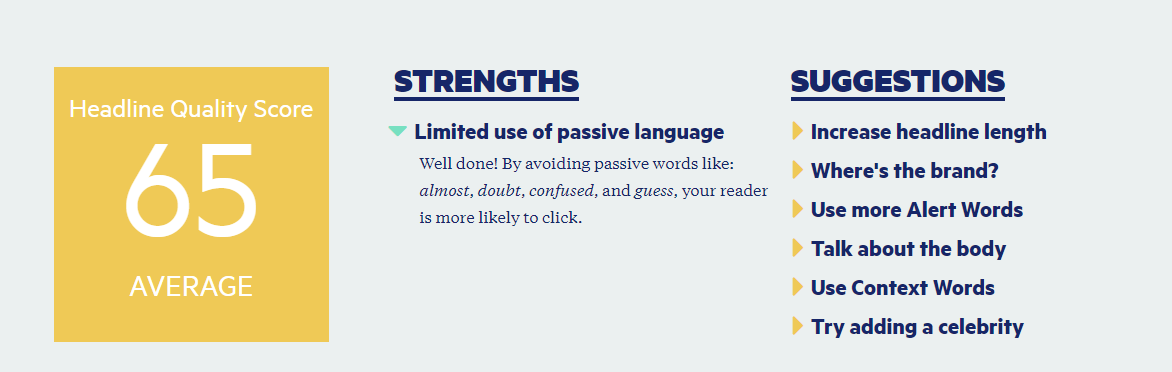
In the example below I typed the following headline and achieved a score of 65% with suggestions on how to improve and gain a higher score. Try it with your own headlines and let me know how you find the tool.

download - 2019-12-23T153308.644.png

While the headline quality score (out of 100) provides a quick snapshot of your headline’s effectiveness, delve deeper into the analysis. The tool identifies strengths and weaknesses, offering specific suggestions for improvement. It also provides insights into how your headline resonates with readers on an emotional level.

1a1922bd-eb4a-45b9-832a-1ab73209b133

Related Reading

Write Better Headlines With These 9 Winning Formulas 

Posted in #HCSM

How to Create a Healthcare Communications and Marketing Content Calendar with ChatGPT

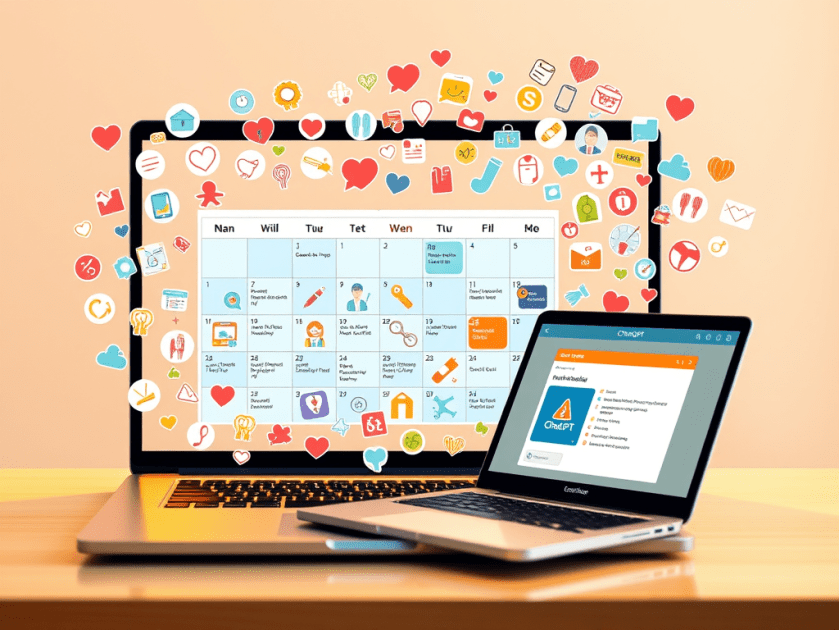
In the healthcare industry, clear and consistent communication is essential for patient engagement, education, and satisfaction. Whether you’re a hospital, clinic, private practice, or health-focused organization, a well-planned content calendar can help you stay organized and connect with your audience effectively.

This article will guide you through leveraging ChatGPT, a powerful language model, to streamline your content creation process and create a dynamic content calendar tailored to the specific needs of a healthcare audience.

How to Use ChatGPT for Healthcare Content Calendaring

  1. Generate Content Ideas:
    • Prompt Example: “Suggest 15 blog post ideas for a cardiology clinic focusing on heart-healthy lifestyle changes.”
    • Pro Tip: Customize ideas for different formats: articles, infographics, videos, patient testimonials, etc.
  2. Create Monthly Themes:
    • Prompt Example: “Develop a monthly content theme plan for a diabetes awareness campaign.”
    • Pro Tip: Organize content around relevant health observances (e.g., Heart Health Month, Diabetes Awareness Month).
  3. Plan Around Key Dates and Events:
    • Prompt Example: “List important health awareness dates in October and suggest content ideas for each.”
    • Pro Tip: Integrate relevant health awareness days, seasonal health tips, and local community events.
  4. Outline a Calendar:
    • Prompt Example: “Create a weekly social media content calendar for a dental practice promoting preventative care.”
    • Pro Tip: Include post types, topics, captions, relevant hashtags, and links to resources.
  5. Enhance Engagement Strategies:
    • Prompt Example: “Suggest interactive Instagram story ideas to encourage flu shot appointments.”
    • Pro Tip: Incorporate polls, Q&A sessions with healthcare providers, quizzes, and patient success stories.
  6. Content Repurposing Plans:
    • Prompt Example: “How can I repurpose a webinar on managing stress into shorter social media posts and an email newsletter?”
  7. Track and Optimize:
    • Prompt Example: “How can I analyze the performance of a content calendar focused on patient education and make improvements?”
    • Pro Tip: Use ChatGPT to identify key metrics for tracking engagement and patient satisfaction.

Steps to Create a Healthcare Content Calendar Using AI

  1. Define Your Goals and Target Audience: What do you want to achieve with your content? Who are your ideal patients?
  2. Identify Key Health Topics: What health concerns are most relevant to your target audience?
  3. Generate Content Ideas with AI: Use ChatGPT to brainstorm content ideas based on identified health topics and patient needs.
  4. Create a Content Calendar Template: Organize your content plan with key elements like publication date, content format, target audience, and call to action.
  5. Ensure Medical Accuracy: Review and verify all medical information with qualified healthcare professionals.
  6. Schedule and Promote Your Content: Utilize social media scheduling tools and email marketing platforms.
  7. Analyze Content Performance: Track website traffic, social media engagement, and patient feedback to measure effectiveness.

Sample Healthcare Content Calendar

DateContent TopicKeywordsFormatTarget AudienceContent GoalsCall to Action
Jan 810 Tips for Managing Winter Allergiesallergies, winter, healthBlog PostAllergy SufferersEducate patients, reduce symptomsDownload a free guide, book an appointment
Jan 15Understanding the Benefits of Annual Checkupscheckup, prevention, wellnessInfographicGeneral PublicPromote preventative care, increase appointmentsSchedule a checkup, learn more about services
Jan 22Ask the Doctor: Common Cold vs. Flucold, flu, symptomsLive Video (Social)PatientsProvide expert advice, build trustSubmit questions in advance, follow on social media
Jan 29Healthy Eating Habits for Busy Lifestylesnutrition, health, recipesShort VideoWorking ProfessionalsPromote healthy lifestyle, increase engagementDownload a recipe book, share video on social media
Feb 5Patient Success Story: Overcoming [Condition]condition, treatment, recoveryBlog Post/TestimonialPotential PatientsBuild credibility, inspire hopeSchedule a consultation, learn about treatment options
Feb 12The Ultimate Guide to [Health Topic]guide, health topic, wellnessEbook/Long-form Blog PostPatientsEstablish expertise, provide valuable resourcesDownload the guide, subscribe to blog updates

Posted in #HCSM

The Social Media Trap: Are You Mistaking Tactics for Strategy?

Are you constantly chasing the latest social media trends and tactics, hoping for a magic bullet to boost your online presence?

Social media is constantly evolving, with new platforms and features popping up all the time. While jumping on every bandwagon is tempting, this reactive approach can be detrimental to your long-term growth.

Understanding “Strategy” vs “Tactics”

One common mistake is confusing “strategy” with “tactics.” Tactics are the specific actions you take — like posting a reel, using a trending hashtag, or running a giveaway. Strategy, on the other hand, is the overarching plan that gives those tactics purpose and connects them to your broader goals. It’s about seeing the big picture rather than focusing on isolated efforts.

Why Strategy Matters

A well-defined social media strategy serves as the backbone of your online efforts. It provides clarity, direction, and purpose, ensuring that every post and campaign aligns with your business objectives and resonates with your target audience. Without a strategy, you’re simply reacting to trends, which can leave your online presence feeling fragmented and unsustainable.

Continue reading on Medium