Posted in #HCSM

Monday Morning Cool Tool: Ribbet

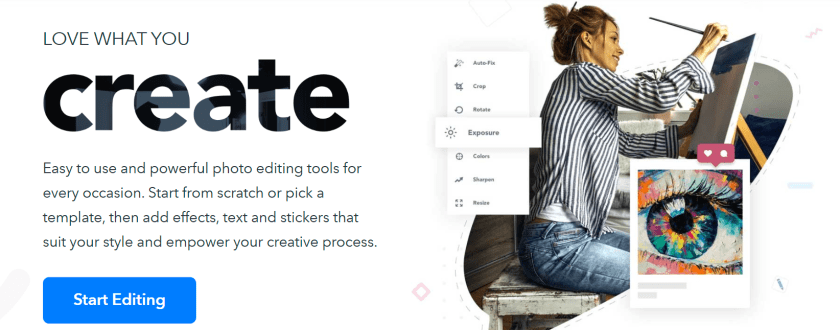
This week I’m recommending Ribbet – a user-friendly online photo editor.

Ribbet’s intuitive interface and straightforward tools make it accessible to everyone.

Here are some noteworthy features:

  • Ribbet’s interface is designed for simplicity, allowing you to crop, resize, adjust brightness, or enhance colors easily.
  • Ribbet’s extensive library of filters and effects helps you find the perfect filter to enhance your images.
  • Whether you want to add a catchy caption or a fun emoji, Ribbet makes it easy to customize your visuals.
  • Ensure your photos look their best on any platform with Ribbet’s resizing and cropping tools. Easily adjust your images to the optimal dimensions for Instagram, Facebook, X, and more.
  • Need to quickly remove a blemish, or whiten teeth? Ribbet has those tools as well.
  • Finally, if you are looking for a quick start, Ribbet has many templates that allow you to easily create content.

What I like best about Ribbet is how user-friendly it is. Its intuitive interface and social media-ready tools make it a great choice for anyone looking to elevate their graphics. And the best part? It’s totally free. So, ditch the complicated software and give Ribbet a try.

Posted in Cool Tool

Monday Morning Cool Tool: Preview

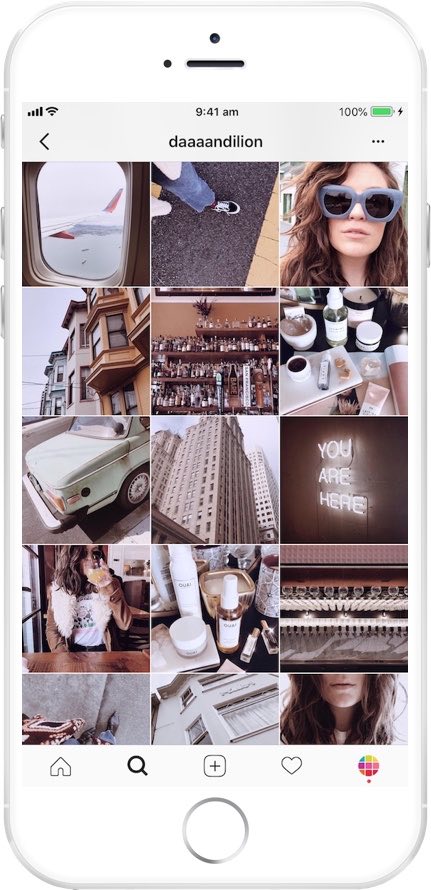
instagram-feed-planner-app-preview-8.jpg

This week’s cool tool recommendation is Preview, a super useful Instagram app.

Preview is an Instagram planner that simplifies content creation and helps you design a cohesive aesthetic and optimize your social media strategy. It allows you to see how your grid will look before hitting “post,” ensuring your feed stays cohesive and visually engaging.

Want to learn more?

Visit my Substack to learn more about the key features of Preview and pricing plans.


Posted in #HCSM

How To Demonstrate the Value of Social Media

For healthcare communicators, demonstrating the value of your social media efforts can be challenging but essential to securing buy-in, allocating resources, and achieving long-term success.

The Challenge: Proving Social Media Return on Investment (ROI)

  1. Defining ROI in Healthcare Contexts: Unlike direct-to-consumer businesses, where ROI often translates into sales or conversions, healthcare ROI can be more nuanced. Metrics might include increased awareness, patient engagement, or referrals—intangibles that can be hard to quantify.
  2. Data Overload: With countless metrics to track (likes, shares, comments, reach, impressions, click-through rates, etc.), it’s easy to get overwhelmed or lose focus on the most meaningful indicators of success.
  3. Attribution Issues: Patients rarely make decisions based on a single social media interaction. Tracking the journey from initial engagement to appointment booking can be complex and indirect.
  4. Limited Resources: Many healthcare organizations have lean marketing teams juggling multiple priorities, leaving little time for in-depth analytics.

Solutions: Actionable Strategies for Measuring Social Media ROI

1. Define Clear Objectives

Start by identifying what success looks like for your organization. In healthcare, these might include:

  • Brand Awareness: Growing your follower count or increasing post reach.
  • Patient Engagement: Encouraging interactions like comments, shares, or messages.
  • Conversions: Tracking leads to website visits, newsletter sign-ups, or appointment requests.

💡 Tip: Use SMART goals—specific, measurable, achievable, relevant, and time-bound—to frame your objectives.

2. Focus on Key Metrics

Not all metrics are equally valuable. Prioritize those that align with your goals:

  • Awareness Goals: Track impressions, reach, and follower growth.
  • Engagement Goals: Monitor likes, shares, comments, and direct messages.
  • Conversion Goals: Use click-through rates, form submissions, or website analytics to measure tangible actions.

Continue Reading

Posted in #HCSM

How Pharmacists Can Lead with Integrity, Innovation, and Impact in the Digital Age

January 12th marks National Pharmacist Day, a time to celebrate the vital role pharmacists play in healthcare. Today, social media can be a powerful tool for pharmacists to make an even bigger difference. They can use it to educate the public, connect with patients, and even advocate for better healthcare. This article will explore how pharmacists can effectively and ethically use social media in their practice, from building a strong online presence to influencing healthcare policy and improving public health.

The Expanding Role of Social Media in Pharmacy

Social media has become a cornerstone of modern communication. For pharmacists, this medium offers unparalleled opportunities to expand their influence and provide critical health education. This section explores how social media empowers pharmacists to contribute to public health, enhance patient care, and address pressing healthcare challenges.

  1. Combat Health Misinformation: Social media is rife with health myths and pseudoscience. Pharmacists are uniquely positioned to act as gatekeepers of credible information, counteracting harmful narratives with evidence-based content and real-time engagement.
  2. Enhance Medication Adherence: By creating dynamic and interactive campaigns about the importance of proper medication use, pharmacists can address one of the leading causes of poor health outcomes while building trust with their audience.
  3. Promote Public Health Initiatives: From vaccination drives to chronic disease prevention programs, pharmacists can amplify critical public health messages to large, diverse, and often underserved audiences.
  4. Foster Inclusivity and Accessibility: Social media offers an unparalleled opportunity to break down barriers in healthcare communication. Pharmacists can create content in multiple languages, incorporate captions in videos, and ensure health literacy for all audience levels.
  5. Strengthen Crisis Communication: In times of public health crises or natural disasters, pharmacists can leverage social media to provide timely updates, dispel panic-driven misinformation, and coordinate community responses.

Continue Reading on Medium

Posted in #HCSM

How To Deal With Negative Feedback and Comments Online

In my last post, I discussed the ever-changing landscape of social media algorithms. Now, let’s tackle another significant challenge: managing negative reviews and comments.

No healthcare organization or practitioner is immune to negative feedback. Whether it’s a critical review on Google, a frustrated comment on a social media post, or a negative mention on a patient forum, navigating these situations requires careful consideration and a thoughtful response.

However, by approaching these situations with a proactive and patient-centered approach, you can turn these challenges into opportunities for growth. Let’s explore some strategies for effectively managing negative feedback.

Read for free on Substack

Posted in Cool Tool

Monday Morning Cool Tool: Design Cap

This week’s cool tool recommendation is Design Cap an online graphic design tool, designed to be user-friendly, even for those without prior design experience.

Key Features

  • Effortless Design: Intuitive interface designed to be user-friendly, even for those without prior design experience.
  • Extensive Template Library: Choose from a vast collection of professionally designed templates for posters, flyers, social media, and more.
  • Effortless Customization: Easily personalize templates with your own text, images, and colors to match your unique brand.
  • Powerful Editing Tools: Fine-tune your designs with a range of tools for text formatting, image adjustments, and shape manipulation.
  • Rich Stock Resources: Access a library of high-quality stock photos and icons to elevate your designs.

Whether you’re a marketer, educator, small business owner, or simply someone who wants to express their creativity, DesignCap provides the tools and flexibility to bring your vision to life.

Posted in #HCSM

10 Key Questions to Guide Your 2025 Healthcare Social Media Strategy

Social media provides a platform to connect with patients, build brand awareness, educate the public, and enhance patient engagement. However, effective healthcare social media marketing requires a strategic, data-driven approach that goes beyond sporadic posting.

This article outlines 10 essential questions to guide your healthcare organization’s social media journey. By carefully considering these questions and implementing the insights gained, you’ll be well-equipped to build a strong online presence and achieve your healthcare marketing goals in 2025 and beyond.

1. Who Is Your Target Audience?

Before embarking on any social media strategy, you must clearly understand your target audience.

  • Analyze your existing audience: Examine your current social media followers and website traffic to identify their demographics, health conditions, and online behavior. Tools like Google Analytics, Facebook Insights, and Twitter Analytics provide valuable insights into your audience’s characteristics and engagement patterns.
  • Develop detailed patient personas: Create fictional representations of your ideal patients, including their demographics, health conditions, concerns, and online behavior. These personas will serve as valuable guides for your content creation and targeting efforts.

2. What Are Your Social Media Goals?

A cornerstone of any successful healthcare social media strategy lies in defining clear, measurable, and achievable goals.

  • Use the SMART goal-setting framework: Ensure your goals are Specific, Measurable, Achievable, Relevant, and Time-bound.
    • Example: “Increase patient appointment bookings from social media by 10% within the next quarter.”
  • Align social media goals with overall healthcare objectives: Ensure your social media efforts contribute to broader healthcare objectives, such as improving patient satisfaction, increasing brand awareness, or promoting healthy behaviors.
  • Set regular benchmarks: Track your progress towards your goals regularly and adjust your strategy as needed.

Further Reading: Creating A Social Media Mission Statement: Your Blueprint for Success

3. Which Platforms Should You Use?

Not all social media platforms are created equal.

  • Identify where your target audience spends their time: Conduct thorough research to determine which platforms your target audience frequents most.
  • Consider the nature of each platform:
    • LinkedIn: Ideal for connecting with other healthcare professionals, sharing industry insights, and recruiting talent.
    • Facebook: A versatile platform for reaching a broad audience, sharing patient stories, and promoting health awareness campaigns.
    • Instagram: Excels for visually-driven content, showcasing the human side of healthcare, and engaging with younger audiences.
    • X: Excellent for real-time communication during health emergencies, sharing breaking news, and engaging in discussions about health issues.
    • TikTok: Ideal for creating short-form video content, engaging health education videos and reaching younger demographics.
  • Focus on a few key platforms: Avoid spreading your resources too thin. Concentrate your efforts on the platforms where your target audience is most active and where you can achieve the greatest impact.

4. What Content Will You Create and Share?

Create a diverse content mix that resonates with your target audience and aligns with healthcare best practices.

  • Prioritize valuable and informative content: Share health tips, educational resources, patient testimonials, and engaging stories that address your audience’s health concerns.
  • Experiment with different content formats: Include a mix of text posts, images, videos, infographics, live streams, and interactive content.
  • Ensure content accuracy and compliance: Ensure all content is accurate, evidence-based, and complies with relevant healthcare regulations and ethical guidelines.
  • Plan and schedule your content: Use a content calendar to ensure consistent and timely posting. Consider using social media scheduling tools to automate your posting schedule.
  • Analyze content performance: Regularly review your content performance data to identify what’s working and what’s not. Adjust your strategy based on these insights.

5. How Will You Measure Success?

To measure the effectiveness of your healthcare social media efforts, track key performance indicators.

  • Website Traffic: Track referrals from social media platforms to your website and analyze user behavior on your site.
  • Patient Engagement: Monitor website visits, appointment bookings, and patient feedback received through social media channels.
  • Brand Mentions: Track mentions of your brand and engage in relevant conversations.
  • Health Literacy: Track the reach and impact of your health education campaigns.
  • Reputation Management: Monitor online reviews and respond to patient feedback to maintain a positive online reputation.

6. How Will You Engage With Your Audience?

Social media is a two-way street. Building strong relationships with your patients is paramount.

  • Respond promptly and empathetically: Respond to comments, messages, and mentions in a timely and compassionate manner.
  • Go beyond superficial interactions: Engage in meaningful conversations, address patient concerns, and offer personalized support.
  • Encourage patient interaction: Host Q&A sessions, polls, and contests to encourage active participation.
  • Showcase patient success stories: Share inspiring patient stories (with patient consent) to build trust and demonstrate the positive impact of your care.
  • Monitor and respond to patient reviews: Address both positive and negative reviews to demonstrate your commitment to patient satisfaction.

Further Reading: The Golden Rule of Social Media: Give More Than You Take

7. How Much Should You Spend on Social Media?

While the core social media platforms are free, building a successful healthcare social media presence often requires investment.

  • Consider your healthcare goals: More ambitious goals may require a larger budget.
  • Evaluate platform costs: Reaching specific demographics on certain platforms may require paid advertising.
  • Assess industry competition: If your healthcare market is highly competitive, you may need to invest more in paid advertising and high-quality content.
  • Factor in internal resources: Determine if you have the necessary internal resources (time, personnel) or if you need to hire freelancers or agencies specializing in healthcare marketing.
  • Start with a modest budget: Begin with a manageable budget and gradually increase your investment as you gain experience and see positive results.

Further Reading: Where Does Your Social Media Budget Perform Best?

8. How Much Should Time Should You Spend On Social Media Marketing?

Successful healthcare social media marketing demands a significant time commitment.

  • Consider the time required for each task: Content creation, audience engagement, platform monitoring, and strategy analysis all require time and attention.
  • Assess your available resources: Determine if you have the internal resources to dedicate to these tasks.
  • Explore time-saving strategies: Consider hiring a social media manager, outsourcing content creation, or utilizing social media management tools to streamline your workflow.
  • Prioritize your efforts: Focus on the platforms and activities that deliver the greatest return on investment for your healthcare organization.

9. How Will You Stay Updated On Social Media Changes and Trends?

The healthcare and social media landscapes are constantly evolving.

  • Stay informed about healthcare industry news: Regularly read industry publications, attend healthcare conferences, and stay updated on the latest healthcare trends.
  • Monitor platform algorithm changes: Keep abreast of updates to platform algorithms and adjust your strategies accordingly.
  • Analyze competitor activities: Monitor your competitors’ social media activities to identify best practices and areas for improvement.

Further Reading: 25 Digital Marketing Predictions for 2025

10. How Will You Integrate Social Media with Other Marketing Efforts?

Social media should not operate in isolation.

  • Maintain a consistent brand voice and visual identity: Ensure consistent messaging and branding across all marketing channels, including social media, website, email, and print materials.
  • Leverage social media to support other healthcare marketing campaigns: Use social media to promote health screenings, patient education events, and community outreach programs.
  • Track cross-channel performance: Analyze how social media contributes to overall healthcare marketing goals and identify opportunities for cross-channel synergies.

By addressing these 10 key questions, you can develop a robust and effective healthcare social media strategy. Remember that flexibility and continuous improvement are essential. By adapting to the evolving healthcare and social media landscapes and consistently refining your approach, you can achieve significant success in your healthcare social media marketing endeavors.

What are your biggest challenges when it comes to healthcare social media marketing? Share your experiences and insights in the comments below.

Posted in Cool Tool

Monday Morning Cool Tool: Sharethrough Headline Analyzer

This week I’m recommending the Sharethrough headline analyzer tool.

This tool analyzes headlines to predict their performance and engagement. It uses a combination of natural language processing and machine learning, trained on a massive dataset of real-world headlines and their performance data.

How it works

It evaluates your headline based on several factors, including:

  • Engagement: How likely people are to click, read, and share.
  • Impression: How strong and memorable your headline is.
  • Clarity: How easily people can understand your headline.
  • Relevance: How well your headline aligns with current trends and interests.

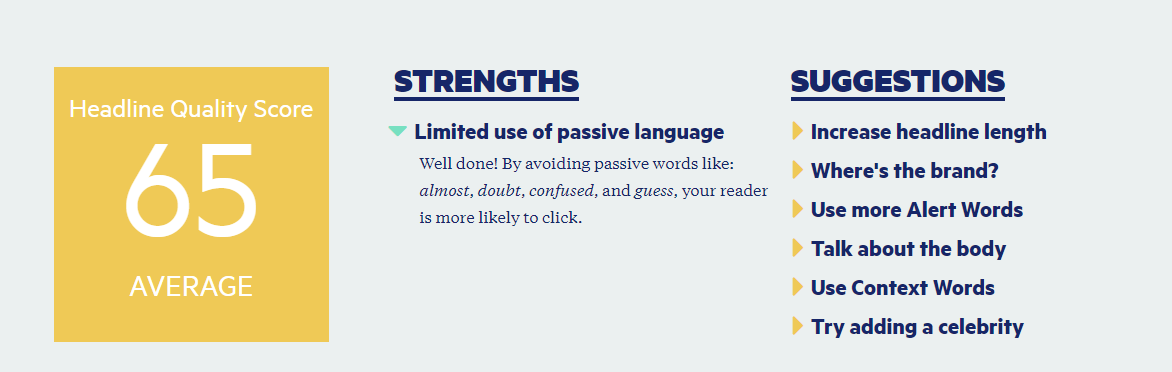
In the example below I typed the following headline and achieved a score of 65% with suggestions on how to improve and gain a higher score. Try it with your own headlines and let me know how you find the tool.

download - 2019-12-23T153308.644.png

While the headline quality score (out of 100) provides a quick snapshot of your headline’s effectiveness, delve deeper into the analysis. The tool identifies strengths and weaknesses, offering specific suggestions for improvement. It also provides insights into how your headline resonates with readers on an emotional level.

1a1922bd-eb4a-45b9-832a-1ab73209b133

Related Reading

Write Better Headlines With These 9 Winning Formulas 

Posted in #HCSM

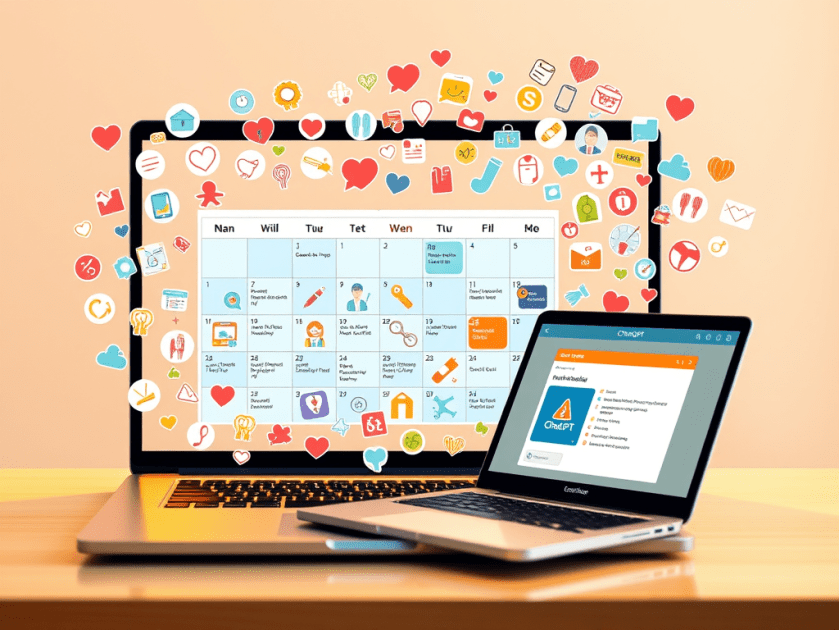
How to Create a Healthcare Communications and Marketing Content Calendar with ChatGPT

In the healthcare industry, clear and consistent communication is essential for patient engagement, education, and satisfaction. Whether you’re a hospital, clinic, private practice, or health-focused organization, a well-planned content calendar can help you stay organized and connect with your audience effectively.

This article will guide you through leveraging ChatGPT, a powerful language model, to streamline your content creation process and create a dynamic content calendar tailored to the specific needs of a healthcare audience.

How to Use ChatGPT for Healthcare Content Calendaring

  1. Generate Content Ideas:
    • Prompt Example: “Suggest 15 blog post ideas for a cardiology clinic focusing on heart-healthy lifestyle changes.”
    • Pro Tip: Customize ideas for different formats: articles, infographics, videos, patient testimonials, etc.
  2. Create Monthly Themes:
    • Prompt Example: “Develop a monthly content theme plan for a diabetes awareness campaign.”
    • Pro Tip: Organize content around relevant health observances (e.g., Heart Health Month, Diabetes Awareness Month).
  3. Plan Around Key Dates and Events:
    • Prompt Example: “List important health awareness dates in October and suggest content ideas for each.”
    • Pro Tip: Integrate relevant health awareness days, seasonal health tips, and local community events.
  4. Outline a Calendar:
    • Prompt Example: “Create a weekly social media content calendar for a dental practice promoting preventative care.”
    • Pro Tip: Include post types, topics, captions, relevant hashtags, and links to resources.
  5. Enhance Engagement Strategies:
    • Prompt Example: “Suggest interactive Instagram story ideas to encourage flu shot appointments.”
    • Pro Tip: Incorporate polls, Q&A sessions with healthcare providers, quizzes, and patient success stories.
  6. Content Repurposing Plans:
    • Prompt Example: “How can I repurpose a webinar on managing stress into shorter social media posts and an email newsletter?”
  7. Track and Optimize:
    • Prompt Example: “How can I analyze the performance of a content calendar focused on patient education and make improvements?”
    • Pro Tip: Use ChatGPT to identify key metrics for tracking engagement and patient satisfaction.

Steps to Create a Healthcare Content Calendar Using AI

  1. Define Your Goals and Target Audience: What do you want to achieve with your content? Who are your ideal patients?
  2. Identify Key Health Topics: What health concerns are most relevant to your target audience?
  3. Generate Content Ideas with AI: Use ChatGPT to brainstorm content ideas based on identified health topics and patient needs.
  4. Create a Content Calendar Template: Organize your content plan with key elements like publication date, content format, target audience, and call to action.
  5. Ensure Medical Accuracy: Review and verify all medical information with qualified healthcare professionals.
  6. Schedule and Promote Your Content: Utilize social media scheduling tools and email marketing platforms.
  7. Analyze Content Performance: Track website traffic, social media engagement, and patient feedback to measure effectiveness.

Sample Healthcare Content Calendar

DateContent TopicKeywordsFormatTarget AudienceContent GoalsCall to Action
Jan 810 Tips for Managing Winter Allergiesallergies, winter, healthBlog PostAllergy SufferersEducate patients, reduce symptomsDownload a free guide, book an appointment
Jan 15Understanding the Benefits of Annual Checkupscheckup, prevention, wellnessInfographicGeneral PublicPromote preventative care, increase appointmentsSchedule a checkup, learn more about services
Jan 22Ask the Doctor: Common Cold vs. Flucold, flu, symptomsLive Video (Social)PatientsProvide expert advice, build trustSubmit questions in advance, follow on social media
Jan 29Healthy Eating Habits for Busy Lifestylesnutrition, health, recipesShort VideoWorking ProfessionalsPromote healthy lifestyle, increase engagementDownload a recipe book, share video on social media
Feb 5Patient Success Story: Overcoming [Condition]condition, treatment, recoveryBlog Post/TestimonialPotential PatientsBuild credibility, inspire hopeSchedule a consultation, learn about treatment options
Feb 12The Ultimate Guide to [Health Topic]guide, health topic, wellnessEbook/Long-form Blog PostPatientsEstablish expertise, provide valuable resourcesDownload the guide, subscribe to blog updates

Posted in #HCSM

The Social Media Trap: Are You Mistaking Tactics for Strategy?

Are you constantly chasing the latest social media trends and tactics, hoping for a magic bullet to boost your online presence?

Social media is constantly evolving, with new platforms and features popping up all the time. While jumping on every bandwagon is tempting, this reactive approach can be detrimental to your long-term growth.

Understanding “Strategy” vs “Tactics”

One common mistake is confusing “strategy” with “tactics.” Tactics are the specific actions you take — like posting a reel, using a trending hashtag, or running a giveaway. Strategy, on the other hand, is the overarching plan that gives those tactics purpose and connects them to your broader goals. It’s about seeing the big picture rather than focusing on isolated efforts.

Why Strategy Matters

A well-defined social media strategy serves as the backbone of your online efforts. It provides clarity, direction, and purpose, ensuring that every post and campaign aligns with your business objectives and resonates with your target audience. Without a strategy, you’re simply reacting to trends, which can leave your online presence feeling fragmented and unsustainable.

Continue reading on Medium