Posted in Uncategorized

Social platform helps users care jointly for a loved one

See on Scoop.itHealth Care Social Media Monitor

Caring for a sick or elderly loved one can take a significant toll on the people giving that care, yet it can be difficult to recruit help without the expense of hiring a paid professional. Cura is a new, UK-based platform that aims to “bring family, friends and communities together to care for the people around them,” in the site’s own words.


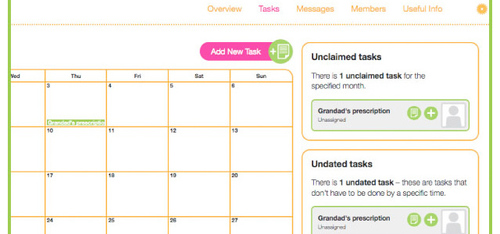
Users of Cura begin by creating a free and secure online community focusing on the loved one who needs care — an elderly parent, say. Next they invite family, friends and neighbors to join the site and upload tasks that need to be done to take care of that loved one.


Community members can then instantly see the tasks as they are added and sign up for the ones they can help with, whether it’s making a trip to the grocery store or putting out the trash bins. Cura explains: “No need to make countless phone calls to ask people to help and certainly no need to struggle on alone anymore.”


Cura was built with a GBP 4,000 grant from charity UnLtd. Social entrepreneurs around the globe: time to build something similar in your area?


Website: www.curahq.com
Contact: info@curahq.com

See on www.springwise.com

Posted in Uncategorized

Online health information: supporting, not supplanting healthcare traditions

See on Scoop.itHealth Care Social Media Monitor

A new study suggests that patients increasingly look to the internet for both support and for health information, but do so in addition to traditional resources.


The study found that patients are using the internet to connect with others who share their situations and to find information on health topics which they then share with their doctors.


These patients still rely on traditional support structures, such as family, and their trust in their doctor is unaffected. Patients using online research bring the information to their doctors to ask questions and learn more, demonstrating a more active role in their own care.

See on www.medicalnewstoday.com

Posted in Uncategorized

Healthy connections: Using social media for health concerns helps patients find success, stay motivated

See on Scoop.itHealth Care Social Media Monitor

Linda Yarrow, assistant professor of human nutrition and a registered and licensed dietitian, said an increasing number of individuals seeking health information are turning to websites like Facebook to get support and advice in addition to their professional medical care. When used correctly, social media websites may help patients stay motivated and accountable, she said.


See on medicalxpress.com

Posted in Uncategorized

Dr. Bertalan Meskó's avatarScienceRoll

We all know that Mayo Clinic is an example for all the healthcare institutions in the world regarding the inclusion of social media in their communication. Here are two stories that happened with Mayo Clinic and that they could handle properly.

1) A Latvian doctor at Mayo sent a controversial letter to a Latvian government official in 2009 in which he stated “as a physician, [he] cannot treat equally Russians and Latvians.” Now the letter was translated and caused serious troubles to Mayo as users left comments on the wall of the Mayo Facebook page. Mayo could deal with this properly by using fast, accurate communication with users, open comments and they tried to “flood” the stream of negative comments with positive news and announcements. Later, they asked users to comment on this issue on a different discussion tab leaving the main page for other news.

For a clinic…

View original post 191 more words