I love learning about new tools to make social media marketing more creative and effective, so I’ve decided to share some of my favorite tools with you at the start of each week.
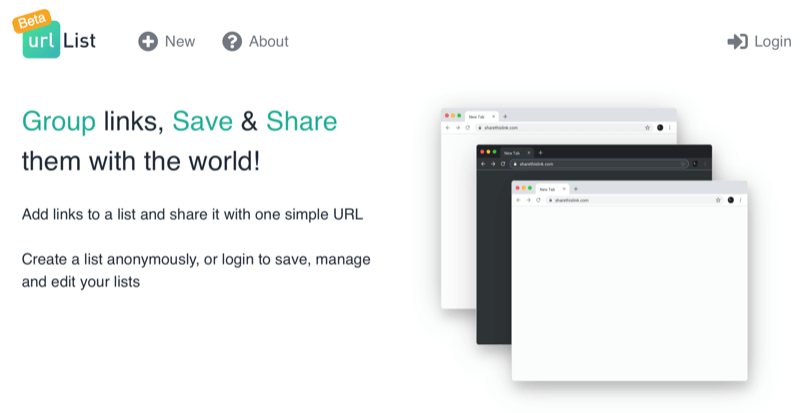
This week I’m recommending URLList – a bookmarklet that allows you to bring a group of URLs together in one place and then share them with a single link.
Pro Tip!
As recommended by Social Media Examiner, “One use case that isn’t explicitly stated on their site is to create a large list of URLs for all of your different product landing pages and then use that one URL in your Instagram bio.”
I love learning about new tools to make social media marketing more creative and effective, so I’ve decided to share some of my favorite tools with you at the start of each week. This week I’m recommending SEO tool TextOptimizer.
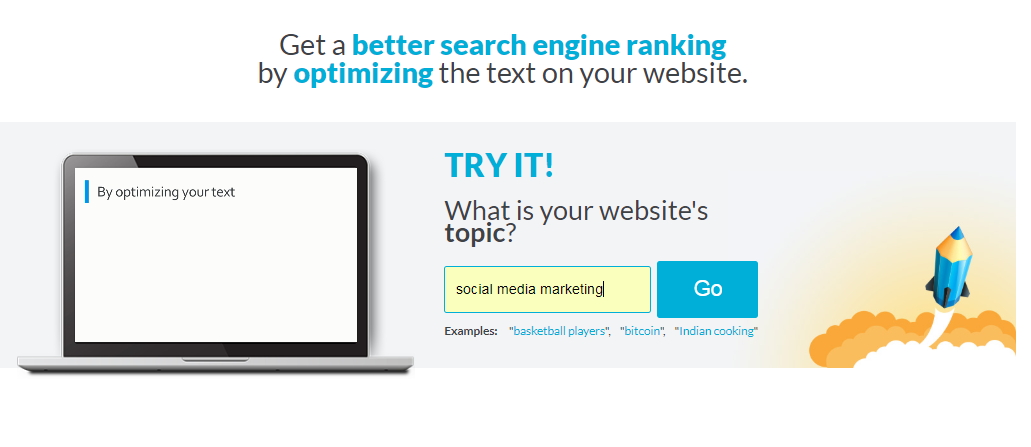
TextOptimizer helps you get a better search engine ranking by optimizing the text on your website. What’s cool about this tool is that it helps you surface topic ideas for your content marketing. You can see what people search for on the internet and tailor your content to answer those questions. Producing content loved by users and optimized for search engines means more organic traffic and more conversion.
Here’s how it works.
Enter your keywords in the search box.
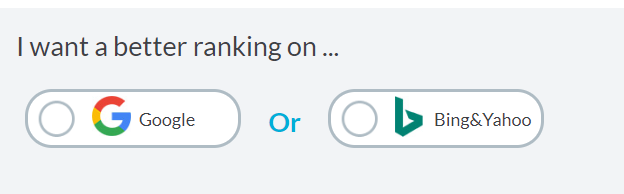
Choose which search engine you want to optimize for.
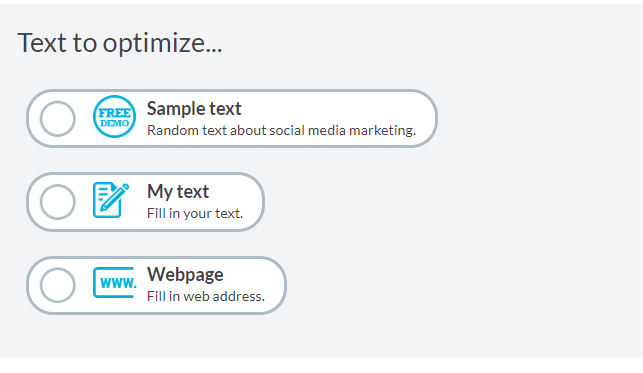
Choose one of these options – I’ll go with sample text for now.
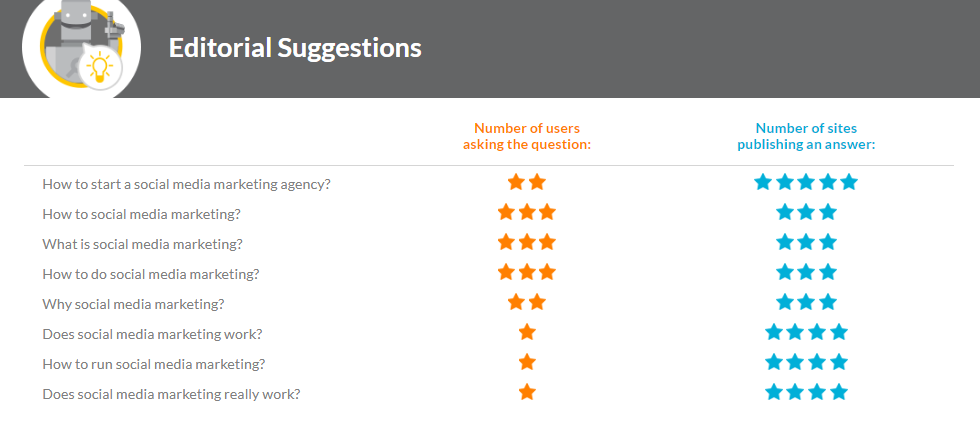
The tool generates ideas for what I can write about based on what people are currently searching on Google.
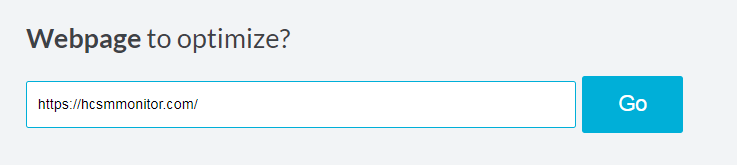
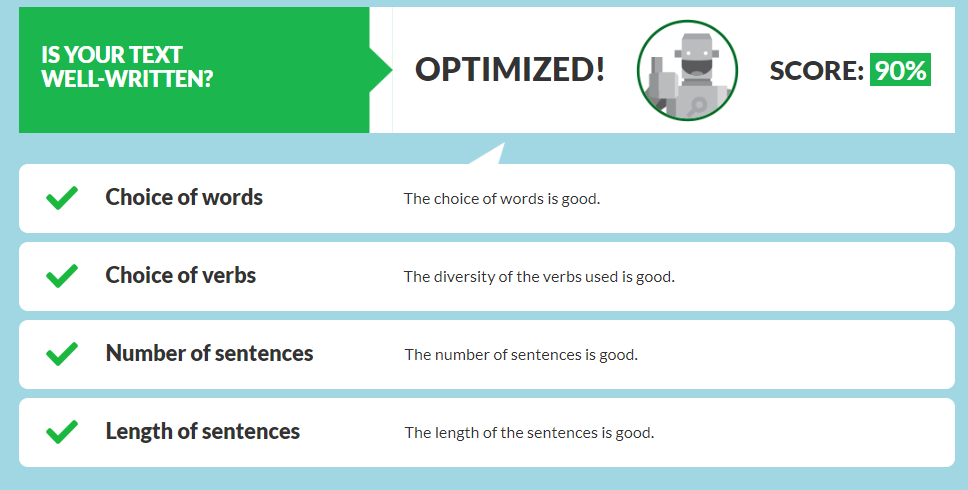
If I enter the URL of this website, Text Optimizer generates a score for me to see how well my content is optimized for search.
These are just some of the things you can do with TextOptimizer. It’s a super tool so I encourage you to take a look around it and see for yourself.
I love learning about new tools to make social media marketing more creative and effective, so I’ve decided to share some of my favourite tools with you at the start of each week. This week I’m recommending QuestionDB – a tool designed to help you generate content ideas.
Here’s how it works.
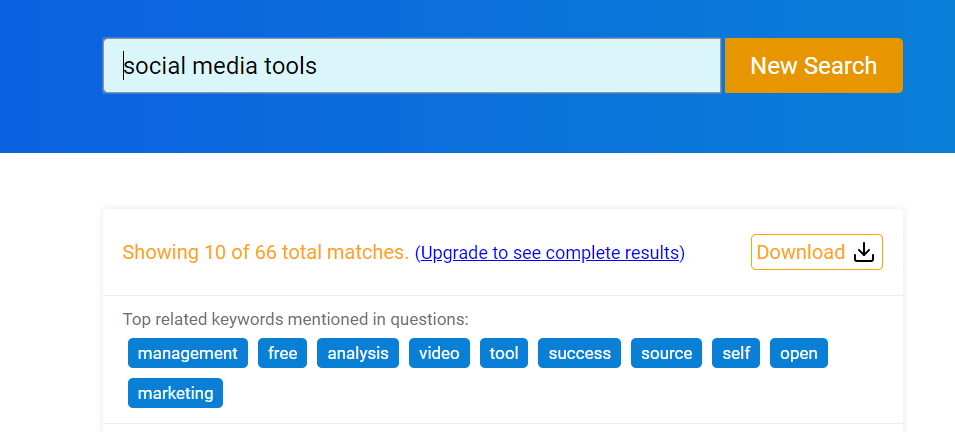
To get started, pick a broad keyword.
From there, whether you’re using the free or paid version of QuestionDB, you can dive deeper.
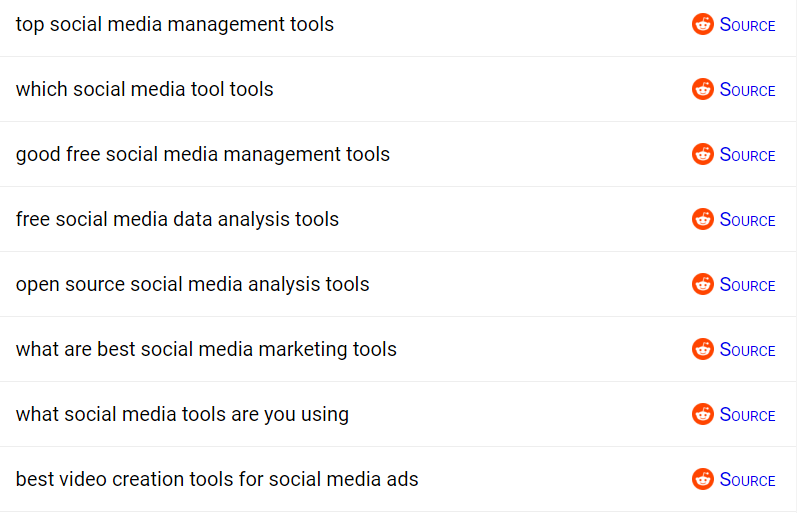
Then search these individually on QuestionDB, and you will get a list of specific questions about these topics that you can use as content ideas for your blog. And because questions are continually added to QuestionDB, it will help you generate content ideas easily on a continuous basis. To help you write those topics, toggle the “source” button on so that you can click through to where the question was originally asked (and see what others answered).
QuestionDB is free for a maximum of 10 results. The pro version costs $10 per month.
Although I live outside the US, Thanksgiving’s one of those holidays I celebrate in spirit, if not in person. I’m always curious to learn more about Thanksgiving traditions and being a foodie I’m fascinated by what people eat at the dinner table.
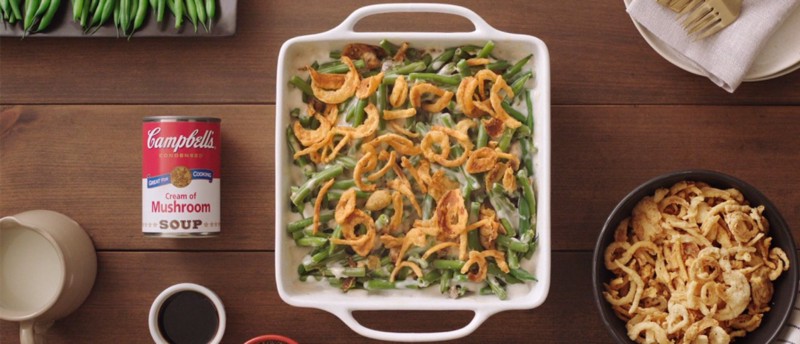
While I still can’t get my head around that sweet potato and marshmallow combo, a green bean casserole is something I might be tempted to try. If you live in the US I guess you already know the story of how this dish came to be a Thanksgiving dinner staple, but for those who aren’t familiar, it’s such a great marketing story with lessons for all of us who want to improve our content marketing.
The casserole originated over 60 years ago in the test kitchen at Campbell’s Soup, where Dorcas Reilly worked as a home economist. Dorcas invented a Green Bean Casserolerecipe in response to a question from the Associated Press: “What’s a good Thanksgiving side dish that uses ingredients found in most American kitchens?”
First demo kitchen, Campbell’s, 1941
The dish Dorcas invented went viral. Millions of Americans made the casserole that year. And today, over 60 years later, it’ll be served on an estimated 30 million Thanksgiving tables across the US, earning its place as one of the most beloved recipes in America.
So what lessons can this simple recipe teach us as content marketers? Over on LinkedIn, I share six valuable lessons we can learn from Dorcas’s green bean casserole.
This week I’m recommending MailerLitean email marketing tool that makes it easy to create landing pages, opt-in forms, and emails.
With the explosion of social media marketing in recent years, the traditional email format may appear outdated. But nothing could be further from the truth. Even with the pervasiveness of new technology, email still remains a persuasive digital marketing channel for building awareness, boosting acquisition, and increasing conversion.
One of the best ways to build your list of subscribers is to offer something of value up front. This email incentive known as an “opt-in offer” or “lead magnet” is something you are willing to give away for free which requires people to provide an email address to download. This is where a tool like MailerLite is helpful.
MailerLite is free for up to 1,000 subscribers.
The free plan enables you to build landing pages and start mailing your first 1,000 subscribers, but excludes live chat support, free newsletter templates, and certain other features.
Premium plans start at $10/mo for up to 1,000 subscribers, rising in increments per subscribers. Premium plans offer additional features and unlimited emails per month.
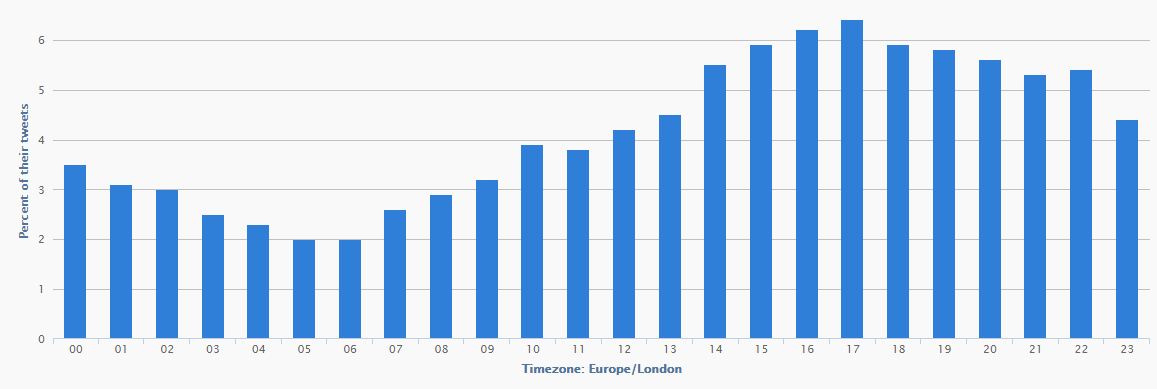
Who do you want to reach on Twitter? What are the best times to reach them? You can find the answers to these questions and more by using a tool like Followerwonk – a freemium Twitter audience analysis tool.
Followerwonk segments followers into a number of psychographic segments: including gender, location, Twitter activity, and more.
This month’s social spotlight is shining on Siobhán Freeney – a tireless advocate for lobular breast cancer and the associated breast cancer risk with breast density.
Hi Siobhán, I’d like to start off by asking you to share with us your path to patient advocacy. What set you on this path?
SF: I was diagnosed with Stage 3C Invasive Lobular Breast Cancer in December 2015. I really struggled with my diagnosis because I had no family history of breast cancer. I’m very Breast Cervical Screening aware – always attended for my mammograms and only had a clear mammogram 5 months earlier. I noticed that my right nipple was inverting ever so slightly and requested an immediate referral from my GP. My diagnosis was immediate following a Triple assessment. There was no ambiguity about a forthcoming mastectomy, which would follow after four months of dose-dense chemotherapy.
I have always had an inquisitive mind and so when I was told by the Breast Nurse not to Google, that’s exactly what I didn’t do!!! I quickly discovered there was a lack of information about Lobular Breast Cancer. Thankfully this has improved, mainly due to Patient Advocacy Groups who have begun to engage with researchers and clinicians in raising awareness.
Around the same time I was diagnosed, I came across an article on Breast Density. I was completely blown away by the statistics on associated breast cancer screening risks from AreYouDense.com and the wonderful woman who started the Grassroots Breast Density Advocacy Group in the USA, Nancy Cappello.
And then you set about educating women in Ireland, where you live?
SF: Yes, I set up www.beingdense.com in Feb 2016. The purpose was to inform (Irish women in particular) women, about the Breast Cancer risks associated with having Dense Breasts.
Breast Density is an independent risk factor for developing breast cancer. Women with the densest Breasts are four to six times more likely to develop breast cancer.
Mammograms are less likely to find early breast cancers in dense breasts. Mammograms miss 50% of breast cancers in the densest breasts.
It is not palpable and has nothing to do with size or shape. Mammographic breast density is considered to be a woman’s personal biomarker for cancer and can only be determined by a mammogram.
In retrospect, I was quite sheepish about patient advocacy at first, I didn’t want to upset the status quo too much. I’ve learned that education and knowledge are the foundation blocks for change and great advances never come from comfort zones.
That’s so true! Your website Being Dense is now well-established as Irelan’s breast density awareness and education site. What other things have you achieved since setting up the site?
SF: In 2019 we co-hosted with Breast Predict, the first-ever mammographic breast density seminar in The Royal College Of Surgeons. This year I took part in the Marie Keating Foundation #NotJustPink Campaign for October. Last February I spoke at a favourite event of mine, Choirs For Cancer in UCD, organised by Precision Oncology Ireland.
I’m a founder member of Lobular Ireland www.LobularIreland.com This has been a real passion of mine. Invasive Lobular Breast Cancer is the sixth most diagnosed cancer in women and the second most common subtype of breast cancer. Lobular Ireland is a growing advocacy, interacting with researchers, clinicians and breast cancer organisations. Lobular is my subtype of breast cancer and I’m keenly aware of the lack of research that has been carried out until very recently. Patient advocates have proven to be a powerful tool in raising awareness and collectively can really bring change.
I was awarded a scholarship to travel to the 2nd Lobular Breast Cancer Symposium in Pittsburgh, USA this year but Covid had other plans and unfortunately, the event is postponed until 2021. Meanwhile, we engage and collaborate with the Lobular Breast Cancer Alliance. At the end of September, Precision Oncology Ireland agreed to support Lobular Ireland and together we held a very successful webinar with the amazing ILC Expert, Professor Steffi Oesterreich from @UPMCHillmanCC.
I’m also involved in AIS Advocates in Science with Susan G Komen and participate as much as I can. In my spare time, I studied with the IPPOSI Patient Training Program and graduated with 25 other like-minded advocates in November 2019.
Another platform I’m very involved in is the European Lobular Breast Cancer Consortium http://www.ELBCC.org. I’m the Irish patient advocate to the Consortium. There are several European Countries involved with leading scientists, epidemiologists, pathologists, lobular researchers and patients working together to enhance awareness, improve screening methodologies, fund lobular specific clinical trials and treatment options for invasive lobular breast cancer. I attended their 3rd Annual meeting, in Leuven and we have just had our first virtual meeting.
You’re certainly kept busy with your advocacy work. When it comes to social media, which platforms do you like to use?
SF: I enjoy using both Facebook and Twitter. I have a different following on each. I find FB great for patient advocacy support and building relationships with breast cancer community. I try to spend about equal amounts of time on both. I like to keep content fresh and interesting, evidence-based and factual.
It takes a lot of time to source and prepare content and make an effort to keep my breast density blog up to date too. Methinks I spend too much time overall, but I would really like to keep the momentum going for as long as I can.
My popular Hashtags for #BCAM2020 October have been are #IAmDense #TellWomen #IAmLobular #LivingWithLobular and #NotJustPink with The Marie Keating Foundation. I’m currently trying to get my head around Instagram @aboutbreastdensity, it’s a work in progress. Can I give a shout out to #LitlleGoalsBigWins Barbara Croatto @bcroatto a wonderful Graphic Design Artist who has just designed a new Infographic for BeingDense.com. I love it thank you.
You certainly can Siobhán. It’s a lot of work – and of course unpaid work. Patient advocates like you really are the unsung heroes of healthcare. Do you have time to take part in any Twitter chats on top of everything?
SF: I am so bad at participating in Twitter Chats, I always mean to make time and forward plan for them. It’s an area I would like to work on. There’s a lot to be gained from them, I know that from the ones I have taken part in. I spend an awful lot of time as it is on social media though as it is.
Twitter chats are great but you are already doing so much! I think it’s important that we don’t feel we have to be everywhere at once. It’s easy to get overwhelmed with social media and all its tools and platforms. Do you have any advice for someone starting out with social media?
SF: Be confident about your message. Know your audience. Keep it real. Take it slowly and post relevant content. It’s not a race to the finish, enjoy it.
I love that advice Siobhán – particularly the last part. So, I like to end these interviews with a favorite quote or saying. Do you have one you’d like to share?
SF: I have so many quotes in my head – I love using them.
Here’s one from Maya Angelou, a strong independent woman, a woman of integrity, someone I have always admired, greatly.
‘Without courage, we cannot practice any other virtue with consistency. We can’t be true, kind, merciful, generous or honest’
I love that quote and very apt – as I know you are a person of great courage, integrity and kindness.
Thank you for taking the time to share your story and the role that social media plays in raising awareness of breast density and lobular cancer
SF: Marie – you’ve been such a support since I met you in 2018. You were the Guest Speaker and Moderator at an Irish Cancer Society Seminar in Dublin. Back then I would never have guessed that I would be here talking to you like this today, so thank you. You have created a uniquely positive platform for Patient Advocates. I truly value the relationships, advice and support that I’ve received from other amazing Advocates within your Weekly Round-Up of favourite Blogs on Twitter.
I’m truly humbled by your words Siobhán. It’s been a pleasure and an honor to watch from the sidelines as you have grown your advocacy activities both on and offline.
If you’d like to learn more about Siobhán’s work, visit her website http://www.beingdense.comFollow her on Twitter @breastdense.
This post is part of an ongoing conversation that explores how patient advocates, healthcare professionals, and researchers use social media to communicate their work. For more interviews, click here.
If you’re looking to reach more patients online, then digital is an essential tool in your marketing strategy. The following list contains the essential elements you need to have in place to ensure your digital marketing is effective.
1. An Easy-To-Navigate Website
In the online world, your website is a virtual office location and the face of your practice. It acts as the initial “touchpoint” for potential patients. It showcases who you are and what you do.
A well-designed website can:
Boost your online reputation
Increase search engine visibility
Attract new patients
When visitors land on your medical practice website, they’re typically looking for something specific. You may be surprised to learn that research has revealed that easy navigation and accessibility are more important to patients than reputability.
Users should be able to use your website intuitively. Put yourself in the shoes of your visitors and ask yourself how easy it is to find key information on your site. How many clicks does a visitor have to make to get to the information they are looking for?
Think about the information someone is searching for when they visit your site—and make it easy for them to find it. If your site contains a lot of information (as some hospital websites do) consider creating separate landing pages for specific conditions.
Want to increase your influence among healthcare consumers? Start blogging.
Blogs written by physicians, nurses, researchers, patients, and allied healthcare professionals add much to the richness and diversity of the online healthcare conversation. Blogs are a super way to educate patients and keep content on your website fresh. Marketing to patients with a blog can be one of the most effective ways a new medical practice can reach more patients. Blogging regularly increases awareness of your practice, as well as help your website rank better in search engine result pages (SERPs) thereby increasing its organic traffic.
If you’re serious about marketing your business online, you need a strategy and a plan to execute it. A content marketing strategy is a roadmap that not only tells you what you’re going to create but how you’re going to create it, when you’re going to publish it and how you’re going to promote it. It helps you create more meaningful, engaging and sustainable content.
According to the Content Marketing Institute, having a documented (i.e. written down) strategy means:
You’ll feel significantly less challenged by every aspect of content marketing.
You’ll generally consider yourself more effective in your use of all content marketing tactics and social media channels.
You’ll be able to justify spending a higher percentage of your marketing budget on content marketing.
4. Search Engine Optimisation (SEO)
SEO is the process of earning traffic from search engines organically — meaning you aren’t paying for ads or sponsored content placement. If you want more people to find you online, you need to optimize your website through good search engine optimization practices. SEO (the ability to optimize your site for search engines), is a detailed and sometimes confusing process, and you may want to hire an SEO expert to do it for you. If you don’t want to hire someone, there are search engine optimization tools available to help you do your own SEO — and many of them are free. I’ve put together this list of the best free SEO tools out there to help you instantly improve your online marketing.
5. E-Mail Marketing
With the explosion of social media marketing in recent years, the traditional email format may appear outdated. But nothing could be further from the truth. Even with the pervasiveness of new technology, email still remains a persuasive digital marketing channel for building awareness, boosting acquisition, and increasing conversion.
Use email personalisation and segmentation based on a recipient’s interests and needs so they’re receiving information relevant to them. Send out a video, a current blog post or provide industry news that will give readers information on various topics. Be sure to plan these ahead of time so they are timely according to what’s going on at your organization or in the health industry.
6. Video Content
Video has become the predominant way people want to consume information and this goes for patients too. Information delivered via video vs. print equates to a much higher retention rate. In addition, patients who watch videos featuring a physician feel a greater level of trust. The type of video content you can create includes Q&As with physicians, patient testimonials, explainer videos, and live streaming.
In the past decade, social networks have evolved from “a nice to have” add-on to a necessity for healthcare marketers. With currently 2.8 billion social media users globally, expected to rise to almost 3 billion users by 2020, social media’s influence has still not reached its peak. It’s a dynamic environment in which new networks emerge, old networks evolve, and user bases continue to grow exponentially.
If you haven’t yet integrated social media into your marketing mix, it’s time to do so. Not only is social media marketing more affordable than traditional forms of marketing, but it’s also more accountable, with specific tracking and monitoring options at your disposal.
Digital marketing in healthcare is dynamic and constantly evolving — there are many different elements to consider. If this list feels overwhelming to you, don’t feel you have to do everything all at once. The best place to start is with your website – prioritise it in your strategy and build out your digital marketing from there. As always, if you have any questions, feel free to reach out to me.
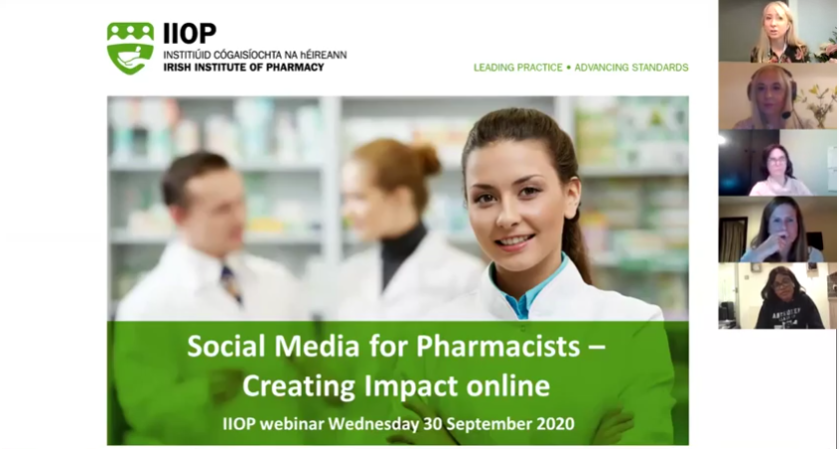
Last week I had the pleasure of presenting to the Irish Institute of Pharmacy on the topic of creating impact online with social media.
If you’re interested, you can catch the video replay below. The tips and tools I shared are applicable to all healthcare professionals not just pharmacists.
I love learning about new tools to make social media marketing more creative and effective, so I’ve decided to share some of my favourite tools with you at the start of each week.
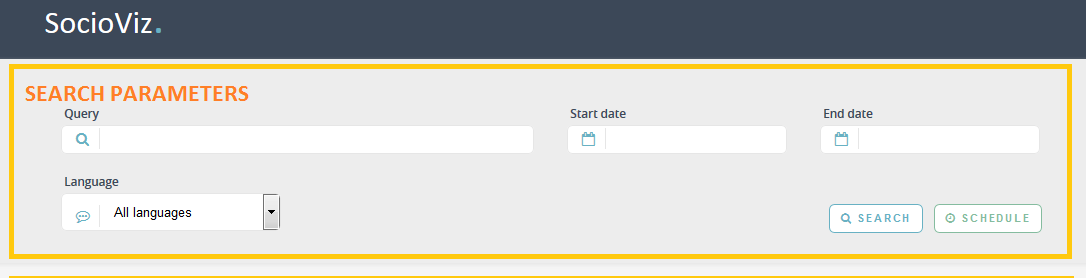
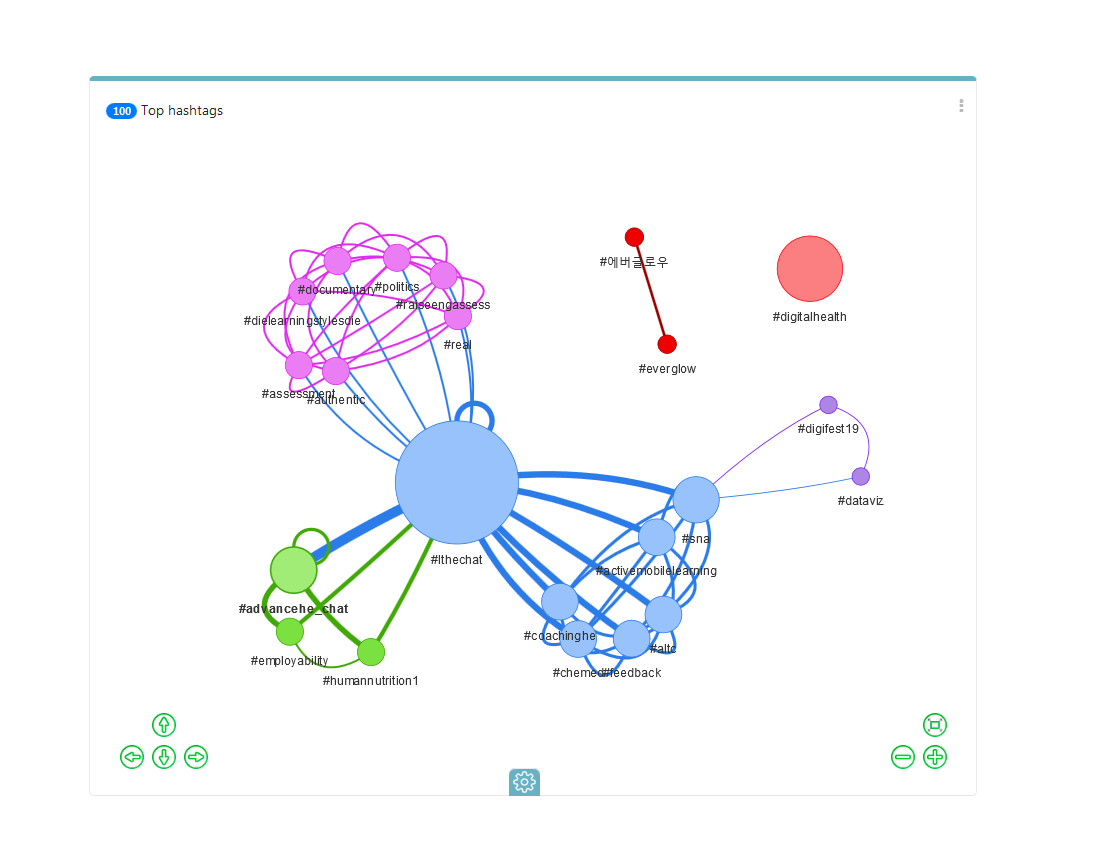
This week’s cool tool recommendation is SocioViz – a web-based Twitter analytics platform.
Use it to:
search for any keyword, hashtag, emoji or user mention filtering by date, location and language. Setup your historical searches or collect posts in real-time.
Identify conversation peaks, hashtags, words and emoji most used, most active and influential users.
Analyze conversation to hear what people are saying about your brand, competitors, and industry.
It’s a very detailed tool and best of all it’s free to sign up for an account. This short video gives you an overview of what you can do with it.







 Health Care Social Media