See on Scoop.it – Health Care Social Media Monitor

See on patientblogger.info
See on Scoop.it – Health Care Social Media Monitor
See on patientblogger.info
Transcript of e-Patient centered #mHealth tweet chat facilitated by iMedicalApps teamed up with the Society for Participatory Medicine (S4PM).
Topics covered patient concerns about the increasing use of mobile apps to manage health/wellness/chronic diseases
The transcript can be found here.
Related Post: #HCSM Review: The Mobile Edition
See on Scoop.it – Health Care Social Media Monitor
The motivation on the part of payers is clear: Drive down the cost of care by keeping the population as healthy as possible. So what motivates patients to participate?
See on Scoop.it – Health Care Social Media Monitor
This Storify piece traces articles that report on the epatient movement, engagement and changes to the patient/provider relationship from 2011 to present.
See on lauraogrady.ca
See on Scoop.it – Health Care Social Media Monitor
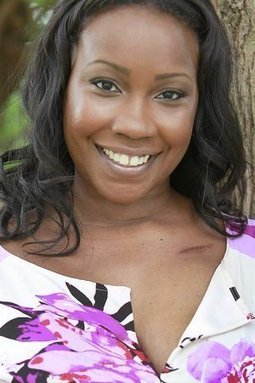
Nefertari Nelson-Williams was about to deliver her fifth child when she suffered a nearly fatal heart attack in 2008.The healthy former model suffered a tear in a coronary artery from a rare condition called SCAD (spontaneous coronary artery dissection) that could have killed her and her baby. “I couldn’t understand how something so rare could happen to me,” said Nelson-Williams, 38, now a freelance writer.
A decade ago, Nelson-Williams and the estimated 25 million Americans afflicted with rare disorders would likely have suffered in isolation, knowing little about their condition and living with fears of recurrence and passing it to their children.
Now, because of a cadre of Internet-savvy SCAD survivors who banded together and mobilized like a team of Navy SEALs, Nelson-Williams has joined an online patient-support community, learned more about her condition, and plans to participate in a patient-driven study to find the causes and cure for SCAD.
See on www.philly.com

A new study has found that diabetes patients who had tried bariatric surgery (weight loss surgery) used social media outlets to advocate for the procedure and show how it had positively impacted their Type II diabetes.
Business intelligence company Wool.labs used its technology WebDig to track every conversation accessible on the Internet and determined the trends among diabetes patients and healthcare providers as related to options to help manage diabetes including bariatric surgery.
We believe that the patient wave of support in social media has helped push diabetes surgery into mainstream acceptance faster~ Michele Bennett, chief operating officer of Wool.labs.
Current trends show that patient conversation was ultimately a key contributor to physician acceptance of weight loss surgery as a tool to control diabetes.
Social media provides a unique window into patient and physician experiences. We can also see how those perceptions impact the patients relationship with the healthcare community ~ Scott Reese, chief executive officer of Wool.labs
Source: HealthCare IT News
‘If you consider yourself a discerning web surfer, how do you feel knowing inaccurate health information is so readily available to those who aren’t Google-fluent?
Have you ever headed that risk off at the pass by performing medical searches for your loved ones? How do you imagine your doctor would react?’
See on mashable.com
See on Scoop.it – Health Care Social Media Monitor
Today’s Internet provides unprecedented access to health information, both empowering and endangering today’s connected patient.
See on mashable.com
See on Scoop.it – Health Care Social Media Monitor
The latest HCSM Review is hosted by Nick Dawson at NickDawson.net. This edition features posts, storified posts and a video, all about innovation and the patient experience.
See on Scoop.it – Health Care Social Media Monitor
Few people disagree with the need to get more medical information into the hands of patients and their families, and many believe that patient portals are the easiest way to provide this access.




 Health Care Social Media