See on Scoop.it – Health Care Social Media Monitor

It has been said that healthcare won’t get better until patients play a leading role in fixing it. We agree and look forward to helping drive the patient revolution on.
See on www.bmj.com
See on Scoop.it – Health Care Social Media Monitor
It has been said that healthcare won’t get better until patients play a leading role in fixing it. We agree and look forward to helping drive the patient revolution on.
See on www.bmj.com
Mayo Clinic encourages professional and allied health staff to use social media tools appropriately and productively. This video, originally produced for Mayo’s new employee orientation program, provides guidance on behavioral expectations as well as links and information from the Mayo Clinic Center for Social Media on additional training resources available through its Social Media Health Network.
See on Scoop.it – Health Care Social Media Monitor
Pharma gets social Novartis has content, but no engagement – Articles In his latest article, Daniel Ghinn takes a look at Novartis’ social media channels and questions whether there is a missed opportunity for the pharma company as it is not using…
See on www.pharmaphorum.com
Nice infographic by Curata on matching your content marketing challenge to the correct tools.

See on Scoop.it – Health Care Social Media Monitor
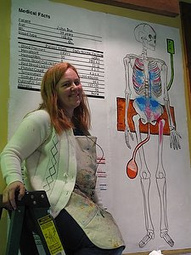
Regina Holliday (@ReginaHolliday) writes: Most patients in the social media space were just regular people who began to speak out. In many cases they did that out of pain. Just as cattle’s brand is seared upon his flesh, the patient’s brand is seared upon their soul. The patient may brand themselves with their formal name:Regina Holliday, a modification of said name: e-PatientDave, a created name: Afternoon Napperor the name of the organization they have created: Colontown. They complete this painful process to spread their message be it focused on patient data access, patient empowerment or disease specific research and funding. So the primary brand in such discussions is the brand of self and those in marketing are interested in tagging along for the ride[…] We like to thank folks personally for the good work they have done. When we work on campaigns in Social Media we expect the support to be like a friendship: it goes both ways.
Love this!
See on Scoop.it – Health Care Social Media Monitor
Before surviving a heart attack in 2008, I never gave my heart more than a passing thought (except maybe when slogging up that brutal Quadra Street hill with my running group on our way back to the Y). But after my heart attack and accompanying shock, disbelief, grief and anger, I became just a wee bit obsessed. I threw myself into boning up on women’s symptoms, risk factors, diagnostics, treatments and emerging cardiac research as if I were cramming for some kind of imminent cardiology midterm.
See on myheartsisters.org
by Carolyn Thomas ♥ @HeartSisters
 I still remember the day when it all began. I was very sick (don’t remember exactly what the sickness was, because I was only about five years old at the time). But I was sick enough for my mother to call our family physician, Dr. Zaritsky, who came right over to the house to see me. (Yes, that is how old I am. I actually do remember when family docs made house calls).
Dr. Zaritsky declared that I needed an injection to treat whatever was ailing me, but – horrors! – the injection was to be done by pulling down my pajama bottoms and jabbing me right in the bare bum.
I was outraged!
View original post 1,453 more words
Infographics are a great way to absorb information at a glance and I particularly like this Twitter infographic. It seems the ideal Tweet is short – less than the alloted 140 characters – contains a link for further information and an image and contains less than two hashtags. If you want your Tweet to be seen, ask your followers to Retweet (but not RT) it. And don’t forget to Tweet at the weekends. Twitter is not a 9-5 job.

See on Scoop.it – Health Care Social Media Monitor
See on worldofhealthit.org



 Health Care Social Media