Infographic highlighting the use of digital, mobile, apps, and professional resources online by US oncologists (source: Digital Insights Group).

Infographic highlighting the use of digital, mobile, apps, and professional resources online by US oncologists (source: Digital Insights Group).
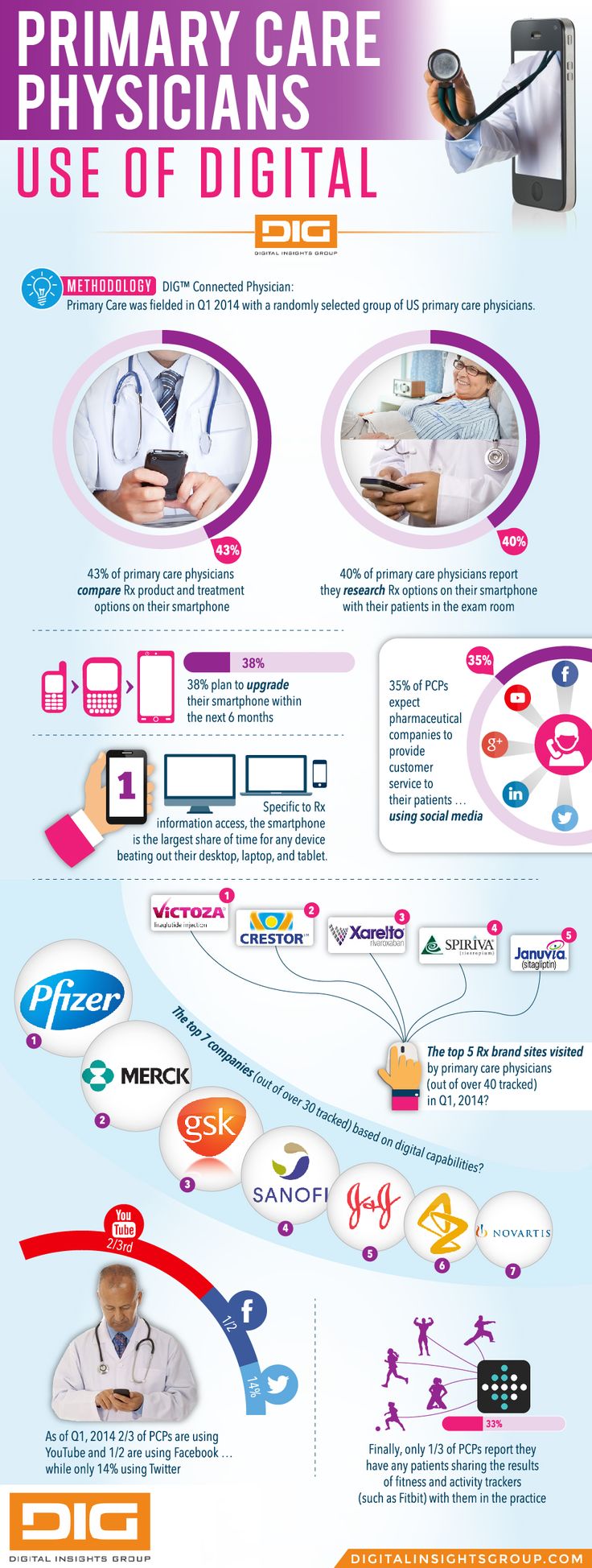
Infographic highlighting the use of digital, mobile, apps, and clinical resources online by US Primary Care Physicians (source: Digital Insights Group).
The start of a new year is the perfect time to review your social media strategy: to determine what’s working best, ditch or revise what isn’t, and resolve to build a stronger online brand.
And if you’re a healthcare provider who hasn’t yet tested the social media waters, this is an excellent time to take the plunge.
This slidedeck gives you 15 tips to help get a new year of social media off to a good start. I’ve added 20 more tips in my latest Beyond The Buzz social media column for HealthWorks Collective. You can read them here.
Happy New Year!
As health care organizations transition to more patient-centred care and anticipate a future that puts more decision-making power in consumers’ hands, how can health care consumers’ perspectives on care; their attitudes and behaviours be understood?
Deloitte’s Survey of U.S. Health Care Consumers* has identified six distinct consumer segments that navigate the system in very different ways.


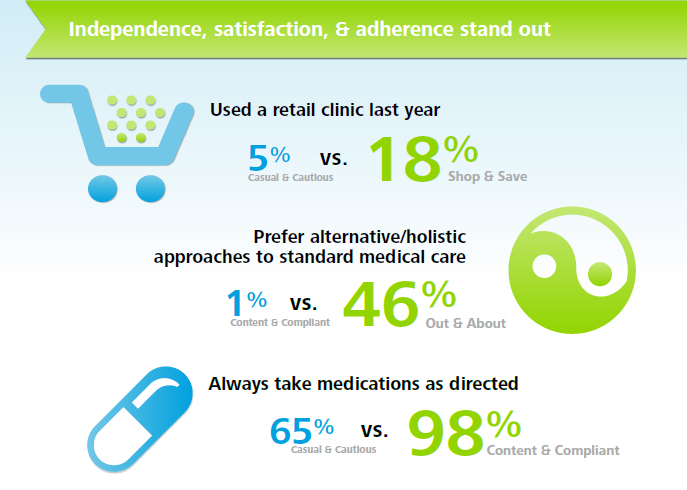
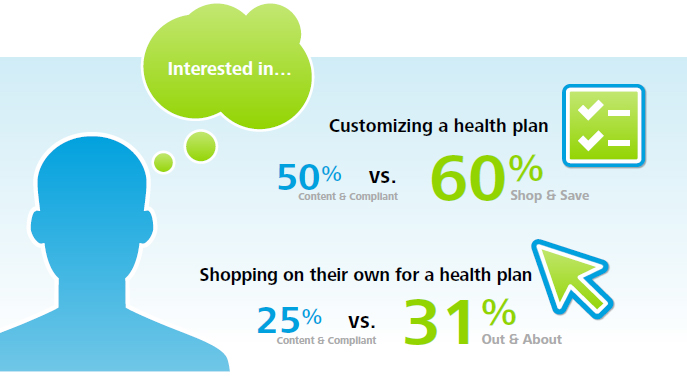

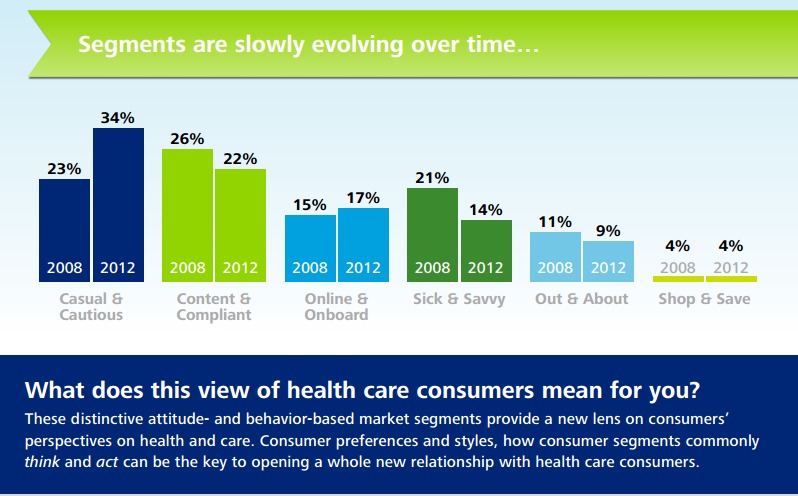
* Visit http://www.deloitte.com/us/2012consumerism to read the entire survey and the survey methodology.
Mistakes are a natural outcome of trying something new. When you first start on Twitter, it may seem that there is a lot to learn, and the potential for mistakes while learning is high. I’d like to lessen that learning curve for you by sharing some common Twitter mistakes I see all the time – and not just with new tweeters! If you are a Twitter newbie these tips will minimize rookie mistakes; if you are already a seasoned tweeter, look on this as an opportunity to rectify any mistakes you might already be making.
“…[6:40]Now that there’s an explosion of data and information you need the Doctor combined with IBM Watson and the Human Touch. So I think the Physician of the future will be looking a bit different, still needs to know their anatomy and their basic science but they’ll blend that with Information Technology, Mobile Apps new ways of integrating information to be much more proactive and continuous about healthcare as opposed to where we are now where we are now which is very reactive and intermittent. So if I was to summarise where the future of medicine is going: we’re today in a sickcare system not a healthcare system and with the emergence of mobile and sensors and big data and omics we can shift we can shift from being intermittent and reactive to being proactive and continuous and that can make a huge difference individually and for the lives…
View original post 119 more words

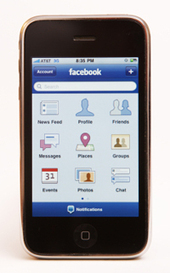
The use of social media among U.S. hospitals is greater than previously thought, although the impact it has on patients and populations remains unknown, according to new research published in the Journal of Medical Internet Research.
Source: www.fiercehealthcare.com
See on Scoop.it – Health Care Social Media And Digital Health

“You’re talking a lot. But you’re not saying anything.” –David Byrne My parents were both doctors. They also were from Ireland, which means of course that they had a way with words. My dad could explain his day and what happened at the hospital with vivid imagery and a great sense of humor. But when he finally had to explain an actual medical condition, he switched from clear, entertaining, idiomatic English to what sounded like Greek-Latin gumbo. He’d have me, and then he’d lose me. What exactly is an MI? It’s a myocardial infarction. What’s a myocardial infarction? A cardiac arrest. What’s…
Source: www.alleywatch.com
See on Scoop.it – Health Care Social Media And Digital Health


