Posted in #HCSM

How a Tiny Link Can Make a Big Impact: The Surprisingly Powerful Role of Short Links in Healthcare Communication

A few weeks ago, I sent a patient education link to a colleague via WhatsApp. It was long, so long that it broke into two lines on her screen, making it difficult to click, especially on mobile. “What is this?” she messaged back, hesitant to open something that looked confusing and, frankly, suspicious. Her response made me reflect on how something as mundane as a URL—the link itself—can either support or undermine trust in a healthcare setting.

Why Short Links Matter in Healthcare

In clinical practice, public health campaigns, and health education, we often think about what we say, but not always about how we share it. Clarity, confidence, and usability matter, especially when you’re dealing with sensitive health topics or time-pressed readers. A shortened URL isn’t just tidier. It’s more accessible, more user-friendly, and often more trustworthy—if used wisely.

Let’s say you’re linking to a new vaccination clinic schedule or a sign-up page for a mental health webinar. Here are your two options:

https://healthsystem.gov/community/events/primary-care/mental-health-week-2025/register-now-form.html

or

https://yourclinic.org/mhweek2025

Which one feels easier to trust and click?

Beyond the Aesthetics: What Shortened URLs Actually Do

A URL shortener takes a long, complex link and generates a much shorter one that redirects to the same destination. But the best tools offer more than just a cosmetic makeover—they provide tracking, branding, and behavioural insight.

Many shorteners (like Bitly, Rebrandly, and TinyURL Pro) allow you to:

  • Track click-through rates (how many people actually click your link)
  • See geographic data and referral sources (helpful for outreach campaigns)
  • Customise the back-half of the link for clarity and brand alignment

In other words, shortened links don’t just look better—they help you communicate better.

Continue reading this article for free on Substack

Posted in #HCSM

10 Content Pillars for Effective Healthcare Communication on Social Media

By establishing a strong foundation of engaging content, healthcare organizations can effectively leverage social media to improve patient care, enhance their reputation, and strengthen their online presence.

This article outlines 10 key content pillars that should form the cornerstone of any successful healthcare social media strategy, along with real-world examples.

1. Patient Testimonials and Success Stories

St. Jude Children’s Research Hospital shares patient recovery stories on Facebook, often featuring photos and heartfelt quotes from patients or families.

Purpose: To inspire and connect with audiences on an emotional level.

Why It Works: Personal stories humanize healthcare and foster trust. They also serve as social proof, showcasing successful outcomes and patient satisfaction.

How to Create: Collaborate with patients who are willing to share their experiences. Use video or written testimonials accompanied by photos to maximize emotional impact. Obtain written consent from patients. Focus on authentic, relatable stories.


2. Educational Content

American Heart Association pairs educational content with captivating graphics.

Purpose: To inform audiences about health topics, treatments, and preventative care.

Why it works: People actively seek credible health information online. Educational posts establish your organization as a trusted authority. These posts can also drive traffic to your website or blog, where you can provide in-depth resources.

How to Create

  • Create short, informative videos or infographics.
  • Share articles and blog posts on relevant health topics.
  • Use simple, easy-to-understand language.

3. Behind-the-Scenes Content

Johns Hopkins Medicine’s TikTok videos provide a glimpse into a day in the life of their healthcare professionals, from lab researchers to ER nurses.

Purpose: To showcase the people and processes behind healthcare organizations.

Why It Works: Humanizing your team builds trust and relatability. Audiences appreciate seeing the faces and stories behind the organization.

How to Create: Share photos or videos of staff at work, team celebrations, or day-in-the-life content. Highlight the dedication and expertise of your team and the organization’s culture and values.

Continue reading this article for free on Substack

Posted in #HCSM

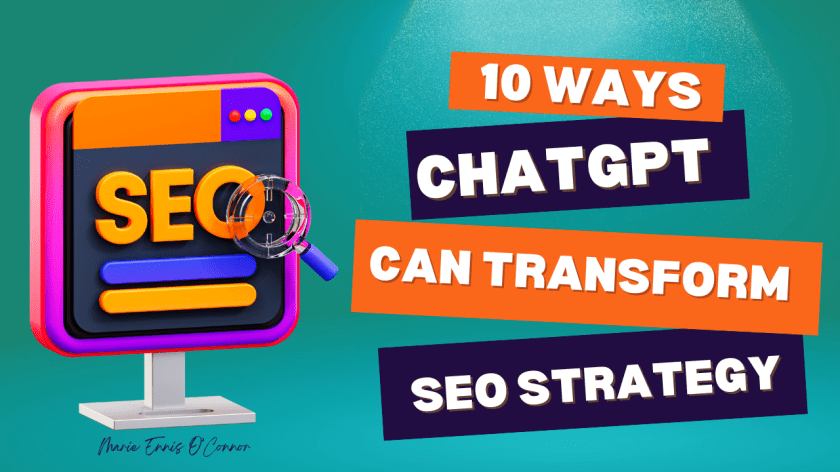
Boost Your Healthcare SEO with ChatGPT

Search engine optimization (SEO) is the key to getting your healthcare content noticed online. However, keeping up can feel overwhelming with constant algorithm updates and increasing competition for online visibility. With ChatGPT, you can simplify and enhance your SEO efforts across multiple fronts, from keyword research to content optimization.

Here are ten ways you can use ChatGPT to boost your healthcare SEO strategy.

1. Keyword Research

Keyword research is the foundation of SEO. ChatGPT lets you quickly generate relevant keyword ideas by entering prompts related to your topic. For example, a prompt like “Suggest primary and long-tail keywords for [topic]” will yield a list of potential keywords. Plus, it can generate keywords that appeal to different levels of user intent, helping you build a comprehensive strategy.

Example Prompt

“Suggest primary and long-tail keywords for healthy eating.”

ChatGPT Output

Primary Keywords

  1. Healthy eating
  2. Balanced diet
  3. Nutritional meals
  4. Clean eating
  5. Healthy recipes

Long-Tail Keywords

  1. Benefits of healthy eating for weight loss
  2. Easy healthy recipes for beginners
  3. How to start a balanced diet
  4. Nutritional meals for busy professionals
  5. Affordable healthy eating on a budget
  6. Foods to avoid for a clean eating lifestyle
  7. Healthy eating tips for families
  8. Meal prep ideas for a balanced diet
  9. Plant-based healthy eating guide
  10. Simple healthy snacks for work

Using Different Levels of User Intent

Search intent, also called user intent, is the purpose behind a user’s specific query in a search engine. It reflects the user’s goal, whether it’s to find information, locate a specific website, make a purchase, or investigate a topic.

Example Prompt

“Suggest keywords with different levels of search intent for healthy eating.”

Informational Keywords (users seeking information):

  • “What are the basics of healthy eating?”
  • “Healthy eating tips for beginners”
  • “Benefits of a balanced diet”

Navigational Keywords (users searching for specific sites or brands):

  • “Harvard healthy eating plate”
  • “CDC guidelines for healthy eating”
  • “American Heart Association diet recommendations”

Transactional Keywords (users ready to make a purchase or take action):

  • “Healthy eating meal prep service”
  • “Buy healthy eating cookbooks”
  • “Order healthy snacks online”

Further Reading: Avoid These Keyword Mistakes to Boost Your SEO Strategy

2. Generating Topic Ideas

Content marketing thrives on fresh, engaging topics. By feeding ChatGPT a general theme or area of interest, you can receive a variety of unique topic ideas. Prompts like “List 10 unique article ideas about [topic]” make brainstorming sessions faster and more productive.

Example Prompt

“List 10 unique article ideas about mental wellness.”

ChatGPT Output

  • “The Science Behind How Nature Affects Mental Wellness”
    Exploring the psychological and physiological benefits of spending time in nature and how it impacts mental health.
  • “10 Simple Daily Habits to Boost Mental Wellness”
    A listicle of easy-to-implement daily habits that contribute to improved mental well-being.
  • “Understanding the Link Between Sleep and Mental Health”
    Examining the role of quality sleep in maintaining mental wellness, plus tips for better sleep hygiene.

3. Creating Content Outlines

After you’ve selected your topic, you need to structure your content effectively. ChatGPT can help create a clear and logical outline by prompting it with something like “Outline a blog post on [topic].” This approach helps you map out sections, identify subtopics, and ensure a smooth flow in your articles, enhancing the overall readability and SEO potential.

Example Prompt

“Outline a blog post on ‘The Benefits of Mindfulness for Stress Management.’”

ChatGPT Output

Title: The Benefits of Mindfulness for Stress Management

Introduction

  • Brief overview of the impact of stress in modern life
  • Introduction to mindfulness as an effective tool for stress reduction
  • Thesis statement: Mindfulness offers powerful benefits for managing stress by enhancing awareness, promoting relaxation, and improving overall mental health

Section 1: Understanding Mindfulness

  • Definition of mindfulness
  • Brief history and origins of mindfulness practices
  • Explanation of how mindfulness works on a cognitive level to reduce stress

Section 2: The Science Behind Mindfulness and Stress Management

  • Overview of scientific studies supporting mindfulness for stress relief
  • Explanation of the impact of mindfulness on the brain, including the amygdala and prefrontal cortex
  • Benefits for both short-term stress relief and long-term resilience

Section 3: Key Benefits of Mindfulness for Stress Reduction

  • Improved Focus and Concentration: Mindfulness helps reduce distraction, which can alleviate feelings of overwhelm
  • Enhanced Emotional Regulation: Promotes emotional balance and reduces reactivity to stressful situations
  • Better Physical Health: Lowers blood pressure, reduces muscle tension, and improves sleep quality
  • Increased Self-Awareness: Helps individuals recognize stress triggers and patterns

Section 4: Simple Mindfulness Techniques for Managing Stress

  • Mindful Breathing: Explanation of technique and its benefits
  • Body Scan Meditation: Step-by-step guide for releasing physical tension
  • Mindful Walking: How this practice combines movement with mindfulness
  • Progressive Muscle Relaxation: Steps for reducing bodily stress

Section 5: Tips for Integrating Mindfulness into Daily Life

  • Suggestions for starting small, such as incorporating mindfulness into a morning routine
  • Tips for overcoming common challenges, like maintaining consistency
  • Encouragement to use mindfulness apps or join a local class

Conclusion:

  • Recap of mindfulness as an accessible, science-backed approach to managing stress.
  • Final thoughts on the importance of adopting mindfulness for mental and physical well-being.
  • Call to action: Try a mindfulness practice today to begin reaping its stress-reducing benefits.

4. Writing High-Quality Content

Using AI for content creation can save time, but it’s important to maintain quality. ChatGPT can help write portions of your content based on the outline you’ve created. Try asking for specific sections, such as “Write a 200-word introduction on [topic].” However, always review and edit to ensure accuracy and readability.

Further Reading: The Authenticity Advantage: Why You Should Prioritize Quality Over Quantity in Content Creation

5. Enhancing Readability and Engagement

Readability directly impacts SEO performance. ChatGPT can suggest simplified language, bulleted lists, or even analogies to make complex topics more approachable. You could prompt, “Rewrite this paragraph to be more conversational” or “Break this information down into bullet points.”

Click here to continue reading

Posted in Abstract

Development and Exploration of a Multifaceted Social Platform to Improve Patient Education, Communication, and Activity

See on Scoop.itHealth Care Social Media Monitor

This study was designed to explore how a multifaceted social platform might influence patient education, communication, and activity. Furthermore, objectives included understanding the importance of making approaches to patient engagement in these areas personalized, innovative, accessible, and robust. By utilizing both web and mobile interfaces, as well as employing various strategies to build a comprehensive network of tools for patients, researchers were able to compare and contrast various modern approaches to patient engagement.

See on www.medicine20congress.com

Posted in #HCSM, E-Patient

patient use of social media helps push diabetes surgery into mainstream

A new study has found that diabetes patients who had tried bariatric surgery (weight loss surgery) used social media outlets to advocate for the procedure and show how it had positively impacted their Type II diabetes. 

Business intelligence company Wool.labs used its technology WebDig to track every conversation accessible on the Internet and determined the trends among diabetes patients and healthcare providers as related to options to help manage diabetes including bariatric surgery.

We believe that the patient wave of support in social media has helped push diabetes surgery into mainstream acceptance faster~ Michele Bennett, chief operating officer of Wool.labs.

Current trends show that patient conversation was ultimately a key contributor to physician acceptance of weight loss surgery as a tool to control diabetes.

Social media provides a unique window into patient and physician experiences. We can also see how those perceptions impact the patients relationship with the healthcare community ~  Scott Reese, chief executive officer of Wool.labs

Source: HealthCare IT News

Posted in Facebook, mHealth

Facebook launches new health app to coincide with London 2012 Olympics

Following on the heels of Facebook’s enabling its users to share their organ donation status, the social networking site has teamed up with GE Healthcare to launch a new health app –  HealthyShare.

The app, the launch of which coincides with the start of the London 2012 Olympics,  allows people add health and fitness goals to their timelines, and includes a range of fitness and diet challenges.  Leveraging the popularity of health apps and fitness trackers such as MapMyRun, the new Facebook app also features workouts sponsored by Olympians Michael Johnson and Summer Sanders and Olympic hopefuls Kevin Durant and Alex Morgan.