Posted in #HCSM

Building Your Healthcare Email List – The Foundation of Your Email Marketing Success

Welcome back to Part 2 of this series on email marketing for healthcare practices. In Part 1, we explored why email marketing is an excellent tool for patient engagement and communication, and we discussed the key factors to consider when choosing your email marketing platform. Now that you’ve laid the groundwork, it’s time to focus on the next step of your email marketing strategy – building a robust and engaged email list.

In this post, we’ll share practical strategies for attracting and converting potential patients into loyal subscribers. You’ll learn how to leverage your existing patient base, optimize your website for lead generation, and harness the power of social media to expand your reach. We’ll also cover the importance of compliance with data privacy regulations like HIPAA and GDPR to ensure your email marketing efforts are both effective and ethical.

1. Engage Your Existing Patients

Your current patients are your most valuable asset when it comes to building an engaged email audience. They already know and trust your practice, making them prime candidates for becoming loyal subscribers. While digital strategies are essential, don’t underestimate the power of in-person interactions to build your email list.

Strategic Placement of Sign-Up Sheets

Waiting Room: Position sign-up sheets on tables or clipboards in your waiting room. Make them eye-catching with a clear headline like “Sign Up for Our Email Newsletter for Exclusive Health Tips!”

Reception Desk: Place a sign-up sheet at the reception desk and encourage staff to offer it to patients while checking in or out.

Exam Rooms: If appropriate, consider having a sign-up sheet or a tablet with a digital form available in exam rooms.

Tips

Keep it Simple: The sign-up sheet should be easy to read and fill out quickly. Only ask for essential information (name and email).

QR Codes: Add a QR code to your sign-up sheet that links directly to your online sign-up form for those who prefer to subscribe digitally.

Track Results: Keep track of how many sign-ups you receive from each location to identify the most effective spots.

2. Turn Website Visitors into Subscribers

Your website is a powerful tool for attracting new patients and growing your email list. Add a sign up form to encourage more subscribers.

Keep it Simple: As previously stated, ask for only the essential information – typically just name and email address. The fewer fields, the less friction for the user.

Clear Headline: Use a concise headline that communicates the value of subscribing (e.g., “Get Free Health Tips,” “Stay Informed About the Latest Medical News”).

Compelling Call to Action (CTA): Use strong verbs and persuasive language to encourage sign-ups (e.g., “Sign Me Up,” “Yes, I Want Health Tips!”).

Visually Appealing: Use contrasting colors and clean design to make the form stand out.

Mobile-Friendly: Ensure the form is easy to use on mobile devices, as many visitors will be accessing your site from their phones.

Privacy Assurance: Briefly mention your commitment to privacy (e.g., “We respect your privacy”) to alleviate concerns.

Where to Place Sign-Up Forms

Blog Sidebar or Below Posts: If you have a blog, include a sign-up form within the sidebar or at the end of each post to capture engaged readers.

Website Homepage: Feature a sign-up form prominently “above the fold” (the visible area without scrolling) to ensure immediate visibility. Consider using a pop-up or slide-in form for added emphasis.

Website Footer: The footer is a consistent location across your website, making it an ideal spot for a subtle yet accessible sign-up form.

3. Create Compelling Lead Magnets

One of the best ways to build your list of subscribers is to offer something of value upfront related to the value of your offering. This email incentive known as an opt-in offer or a lead magnet is something you are willing to give away for free, requiring people to provide an email address to download. These free resources serve as a “hook” to capture contact information, specifically email addresses, while delivering immediate value to your audience.

Types of Lead Magnets

  • eBooks: Offer comprehensive guides on specific health conditions, treatment options, or preventive care strategies.
  • Checklists: Provide step-by-step checklists for managing chronic conditions, preparing for appointments, or maintaining a healthy lifestyle.
  • Webinars: Host live or recorded webinars on relevant health topics, featuring expert insights and Q&A sessions.
  • Templates or Worksheets: Create downloadable templates for tracking health data, meal planning, or exercise routines.
  • Discounts or Free Consultations: Offer a limited-time discount on a specific service or a free consultation to new patients who sign up.

3. Promoting Your Lead Magnets

Once you’ve created your lead magnet, you will want to promote it.

Pop-Ups: Use website pop-ups to capture the attention of visitors and promote your lead magnet. Consider exit-intent pop-ups that appear when visitors are about to leave your site.

Banners: Place eye-catching banners on your homepage or relevant landing pages that link directly to your lead magnet.

Facebook: A Facebook sign-up tab is a dedicated section on your Facebook business page where visitors can easily subscribe to your email list. If you don’t already have one, select an email marketing platform that offers Facebook integration. Many providers offer free plans for smaller lists. Follow your email provider’s instructions to connect the landing page or form to your Facebook business page. This usually involves copying and pasting a code snippet.

X (Twitter): Your Twitter bio is one of the most visible elements of your profile. Including a direct link to your lead magnet in your bio creates an immediate opportunity for potential patients to engage with your practice and join your email list. Also, consider pinning a tweet containing your lead magnet. A pinned tweet is a tweet that you manually select to stay at the top of your Twitter profile’s timeline. This prominent positioning ensures that it’s the first tweet visitors see, making it an ideal spot to showcase your lead magnet.

Instagram: Like your Twitter bio, your Instagram bio serves as prime real estate for attracting potential patients. While Instagram only allows one clickable link in the bio, it’s a crucial opportunity to direct traffic and grow your email list. By strategically incorporating your lead magnet link, you can turn profile visitors into subscribers and, ultimately, patients.

LinkedIn: LinkedIn is the premier platform for professional networking and a valuable space to attract potential patients. While LinkedIn doesn’t offer a direct link in the profile like Twitter and Instagram, you can pin a post or article that prominently features your lead magnet and includes a call-to-action (CTA) with a clickable link.

4. Compliance is Key

As a healthcare provider, adhering to data privacy regulations like HIPAA and GDPR is crucial. Ensure your email marketing practices are compliant by:

Obtaining Explicit Consent: Always get explicit consent from individuals before adding them to your email list. Make it clear how you will use their data and allow them to opt out easily.

Protecting Patient Data: Store email addresses and personal information securely and only use them for the purposes stated in your privacy policy.

Transparency and Control: Provide subscribers with clear instructions on how to manage their email preferences and unsubscribe from your list.

Crafting Engaging Healthcare Emails That Get Results (Part 3)

In our next installment, we’ll explore:

  • The Power of Subject Lines: Discover how to write subject lines that entice recipients to open your emails.
  • Compelling Content Creation: Learn the secrets to crafting informative, relevant, and valuable content that keeps your audience engaged.
  • Visual Storytelling: Explore the use of images, videos, and infographics to make your emails visually appealing and shareable.
  • Calls to Action that Convert: Master the art of crafting clear and persuasive calls to action that drive clicks and appointments.
  • Personalization & Segmentation: Discover how to tailor your emails to specific segments of your audience for maximum impact.

Don’t miss Part 3 of this essential series, where we’ll unlock the full potential of your healthcare email marketing strategy. Your journey towards stronger patient relationships and a thriving practice continues!

Be sure to subscribe to our mailing list so you don’t miss Part 3 of our series and the valuable insights it holds for your healthcare email marketing success!
Posted in #HCSM

How To Get Started with Email Marketing For Your Healthcare Practice

Welcome to my new blog series dedicated to the power of email marketing for your healthcare practice. Over the next several installments, we’ll look at strategies, tactics, and best practices that can transform your email list into a powerful engine for patient engagement, loyalty, and growth.

In this first installment, we’ll explore why email is such a valuable tool for healthcare providers, and walk you through the initial steps to build a foundation for success.

Why Email Marketing Matters for Healthcare

  • Owned and Controlled: Unlike social media algorithms or search engine rankings, you own your email list. These are your contacts, and they’ve given you permission to reach them directly.
  • Builds Trust: Regular, informative emails position your practice as a trusted source of health expertise, a critical factor in the healthcare industry.
  • Personalized Connection: Email allows for tailored communication, addressing individual patient needs and interests.
  • Drives Engagement: Targeted campaigns can motivate patients to schedule appointments, participate in screenings, or access educational resources.
  • Extends Word-of-Mouth: If you were asked where most of your new patients come from, you’d likely say “word-of-mouth.” Effective email marketing can amplify this word-of-mouth, encouraging satisfied patients to share your messages and refer friends and family.
  • Stays Top-of-Mind: Consistent, valuable emails keep your practice at the forefront of patients’ minds, so when they or someone they know needs your specific type of care, you’re the first provider they think of.

Choose Your Platform

Selecting the right email marketing platform is a key first step in your email marketing Your chosen platform will serve as the backbone of your communication efforts, so it’s important to choose one that aligns with your specific needs and budget.

Key Factors to Consider

1. HIPAA and GDPR Compliance

Your chosen platform must adhere to both HIPAA (for US patient data) and GDPR (for EU patient data) regulations. Look for platforms that offer:

  • Explicit Consent: Tools for obtaining clear and unambiguous consent from individuals before adding them to your email list.
  • Data Processing Agreements (DPAs): Contracts with your email service provider outlining their responsibilities regarding data protection.
  • Right to Access and Erasure: Easy mechanisms for individuals to access their data or request its deletion.

2. Ease of Use

You don’t need to be a tech whiz to create effective email campaigns. Opt for a platform with an intuitive interface and drag-and-drop editors that simplify the process of designing and sending emails.

3. Features and Functionality

Consider the features that are most important to your practice. Do you need advanced automation capabilities, robust analytics, or the ability to create personalized landing pages? Different platforms offer varying levels of functionality, so choose one that aligns with your goals and budget.

4. Scalability

If you anticipate your email list growing significantly, choose a platform that can accommodate that growth without a major increase in cost or complexity.

5. Pricing

Email marketing platforms come with various pricing structures, often based on the size of your email list or the features you select. Determine your budget and compare pricing plans from different providers to find the best value for your needs.

6. Customer Support

Technical issues can arise, even with the most user-friendly platforms. Ensure the provider you choose offers reliable customer support through email, phone, or live chat, so you can quickly get assistance when needed.

Popular Email Marketing Platforms for Healthcare Providers

  • Mailchimp: A widely used platform with a free plan for smaller lists and a range of features for growing practices.
  • Brevo (formerly Sendinblue): A cloud-based marketing platform particularly well-suited for small to medium-sized businesses.
  • MailerLite: A popular email marketing platform known for its simplicity and affordability.
  • ActiveCampaign: A comprehensive marketing automation platform that offers a wide range of features beyond email marketing, including CRM (Customer Relationship Management), marketing automation, and lead scoring.
  • Constant Contact: Known for its user-friendly interface, robust email templates, and strong customer support.
  • Paubox: Specializes in HIPAA-compliant email marketing for healthcare providers, offering seamless encryption and secure communication.

Choosing the Best Option for Your Practice

The best email marketing platform for your practice will depend on your specific needs, budget, and technical expertise. Take the time to research different providers, compare features and pricing, and consider trying out free trials to get a feel for the interface and functionality.

Building Your Healthcare Email List – The Foundation of Your Email Marketing Success (Part 2)

In our next post, we’ll uncover effective strategies for gathering email addresses from a variety of sources, including:

  • Your Existing Patients: Discover creative ways to encourage current patients to sign up for your emails, both online and in-person.
  • Website Visitors: Learn how to optimize your website to capture leads and convert casual visitors into subscribers.
  • Social Media Followers: Leverage the power of social media to promote your email list and attract new subscribers.

We’ll also share tips for creating enticing lead magnets, designing compelling sign-up forms, and ensuring your list-building practices comply with HIPAA and GDPR regulations.

Be sure to subscribe to our mailing list so you don’t miss Part 2 of our series and the valuable insights it holds for your healthcare email marketing success!

Posted in #HCSM, SEO

Strategies for Successful Healthcare SEO: How to Sidestep Common Keyword Errors

In Search Engine Optimisation (SEO) keywords play an important role in attracting organic traffic. Organic traffic is traffic that comes from unpaid search results. You can, however, undermine your efforts if you make mistakes when choosing keywords.

Let’s explore some common keyword mistakes and how to avoid them.

1. Ignoring Search Intent

A healthcare SEO strategy must understand search intent, also known as user intent. The intent of a search query refers to the purpose behind it, whether it’s such as informational (e.g., symptoms of a disease), transactional (e.g., booking an appointment), or navigational (e.g., finding a hospital’s website).

Actionable Tip: Create content that directly addresses the identified intents. For example, informational content should provide comprehensive insights into medical conditions or treatment options, while transactional content should facilitate easy appointment scheduling or service inquiries.

2. Overstuffing Keywords

Keyword stuffing is a dated and potentially harmful practice. Modern search engines are skilled at detecting unnatural keyword usage, which may result in penalties. Search engines prioritize content that is high-quality, relevant, and meets the needs of users. Instead of obsessing over keyword placement, concentrate on providing comprehensive information, answering common healthcare questions, and addressing patient concerns.

Actionable Tip: Use tools like Google’s related searches or Thesaurus.com to identify synonyms and related terms relevant to your primary keywords. Incorporate these synonyms naturally throughout your content to expand your keyword reach without sacrificing readability. Monitor the performance of these variations to see which terms resonate best with your audience and adjust your content strategy accordingly.

3. Overlooking Long-Tail Keywords

Long-tail keywords cater to users who are further along in their decision-making process. For instance, someone searching for “best pediatric dentist in [your city]” is likely more ready to book an appointment compared to someone searching for just “dentist”. Long-tail keywords often reflect specific patient needs or concerns. By incorporating these keywords into your content strategy, you demonstrate relevance to potential patients who are actively seeking detailed information or specific healthcare services. Because long-tail keywords are more specific, they typically face less competition in search engine results pages (SERPs). This means healthcare providers have a better chance of ranking higher for these targeted queries.

Actionable Tip: Use keyword research tools to identify long-tail keywords relevant to your specialty or services. Look for terms that patients are likely to use when searching for specific healthcare solutions.

4. Failing to Update Keywords

SEO is not a set-it-and-forget-it strategy. User search behaviors and trends change over time. What patients search for today might differ from their queries six months ago. Staying updated with these trends ensures that your content remains relevant and visible. As your healthcare practice grows and evolves, so should your content. Updating keywords allows you to align your content with the latest treatments, services, and patient needs you offer.

Actionable Tip: Set a schedule for regular keyword research and updates, such as quarterly or bi-annually, to ensure your SEO strategy stays aligned with the latest trends and user behaviors.

5. Ignoring Local SEO

For healthcare providers, local SEO is a critical component of a successful digital marketing strategy. Many patients search for healthcare providers using location-based queries such as “dentist near me” or “pediatrician in [your city].” Ensuring your practice appears in these local searches is essential for attracting nearby patients. Optimizing for local SEO can directly drive more patients to your physical location. When potential patients find your practice easily through local search results, they are more likely to visit in person.

Actionable Tip: Claim and optimize your Google My Business profile. Complete all the fields, including business hours, services, photos, and patient reviews. Regularly update your profile to reflect any changes or new services.

6. Not Tracking Website Analytics

Ignoring website analytics is a common pitfall, but without analysing the performance of your keywords, it’s impossible to know what’s working and what’s not. By analyzing analytics data, you can identify which keywords are driving the most traffic to your website. High search volumes for specific keywords indicate potential visibility and demand among your target audience. Analytics also provide insights into user behavior on your website. You can see which pages users visit most frequently, how long they stay on each page, and where they drop off. This information helps you optimize your website for better user engagement and conversion.

Actionable Tip: Ensure Google Analytics is properly set up on your website to track key metrics. Familiarize yourself with the dashboard and reports available.

7. Ignoring Competitor Analysis

Competitor analysis is a crucial aspect of developing a robust healthcare SEO strategy. By identifying and analyzing competitors within your niche, you can gain valuable insights into their keyword strategies, content performance, and overall SEO tactics. This knowledge not only helps you understand your competitive landscape but also enables you to identify opportunities to improve your own SEO efforts.

Actionable Tip: Analyzing competitors’ content helps you identify gaps in your own content strategy. Look for topics or keywords that your competitors are ranking for but you are not. Addressing these gaps allows you to capture additional search traffic and enhance your online visibility.


Effective keyword optimization is fundamental to successful healthcare SEO. By implementing the strategies discussed in this article, you can significantly boost your website’s visibility, attract organic traffic, and ultimately achieve your healthcare practice’s goals. Understanding and targeting the right keywords tailored to patient needs and search intents ensures that your content resonates effectively, driving engagement and conversions. Stay proactive with keyword research, regularly update your strategy based on analytics insights, and leverage competitor analysis to stay ahead in the competitive healthcare landscape. By prioritizing these steps, you can establish a strong online presence, reach more patients, and foster meaningful connections within your community.

Posted in #HCSM

10 Places To Find The Best Free Images For Your Healthcare Marketing

Do you want your content to stand out in today’s crowded social media landscape? Then it’s time to get visual with social media.

You probably don’t need me to tell you that great visuals make for great marketing. Visual content can be an incredibly powerful marketing tool, one that increases message association, brand awareness, and encourages engagement and shares. The brain processes visual data 60,000 times faster than text. Additionally, 90% of information transmitted to the brain is visual.

The continuing growth of visual platforms, such as Pinterest and Instagram, confirm that incorporating visual content into your social media strategy is a must. Not only do these platforms drive more traffic and shares, but research has also shown that tweets and Facebook posts with images encourage more engagement.  You should also add an image to every single blog post you write and use images to break up the tedium of text.

Whether it’s growing your brand identity or improving medication adherence through instructions, visuals are a key to interacting with and empowering patients. But when it comes to using images, don’t be tempted to reach for the nearest stock photo.

Patient-Role.jpg

These days, there’s no excuse for using boring stock images; you can find all over the web. In this article, you’ll learn my favorite recommendations for sourcing images you can use to enhance your social media posts – and best of all they’re free!

1. Freepik offers users, high-quality graphic designs: exclusive illustrations and graphics resources. It operates on a freemium business model, which means the majority of the resources offered at Freepik can be used for free, only having to credit the author of the illustration to Freepik. Additionally, for a small fee, you can subscribe to the Premium plan and use the illustrations without any attribution whatsoever.

nice-medical-situation-collection_23-2147539027.jpg

2. Gratisography is a collection of free high-resolution pictures you can use on your personal and commercial projects, free of copyright restrictions.

gratisography-397-thumbnail.jpg
Image Source: Gratistography

What I really like about this site is many of the images are quirky and fun — no cheesy stock images here!

3. ISO Republic provides over 3,000 images under the Creative Commons Zero (CC0) license. This means the pictures are completely free to use for personal or commercial purposes, with no attribution required.

nurse-doctor-surgery-1000x750.jpg
Image Source: ISO Republic

4. Life of Pix is a collection of free high-resolution stock images donated to the public domain by the Leeroy Advertising Agency in Montreal.

227a-ake-47433490-1-1600x1068.jpg
Image Source: Life of Pix

Their sister site Life of Vids offers royalty-free videos, clips, and loops for you to use to your heart’s content.

5. Morguefile is a free photo archive “for creatives, by creatives.” The photos have been contributed by a diverse range of creatives from around the world, including both amateur photo hobbyists and professionals.

bike.jpg
Image Source: Morgue File

6. Pexels provides over 3,800 high-resolution photos, collated from other free image sites — making it one of the largest free image directories.

pexels-photo-905874.jpeg
Image Source: Pexels

Pexels has also added a large library of stock videos to its site under Creative Commons license. Use the site’s list of popular searches to find the most in-demand stock videos.

7.  Picjumbo is free stock photo site created by designer and photographer Viktor Hanacek in 2013.

young-beautiful-blonde-girl-looking-out-of-car-window_free_stock_photos_picjumbo_HNCK0625-2210x1474.jpg
Image Source: PicJumbo

Users can click through the different categories of over 600 free high-resolution photos, with the option of upgrading to Premium for new unpublished images to power your social media marketing. No attribution is required.

8. Pixabay hosts over 650,000 free stock photos, vectors, and art illustrations free of copyrights under Creative Commons. On the home page, you’ll find a small, curated collection of images and a search bar for more targeted results.

sunflower-3554567_960_720.jpg
Image Source: Pixabay

Pixabay also has a collection of stock videos for use in your marketing.

9. Rawpixel prides itself on having the most diverse collection of stock photos on the web. It wants to change the face of stock photography by creating design resources that reflect today’s society as it really is. To this end, it has started the (one) world face project with the ultimate goal of photographing people from every nation in the world.

313-pai5547-eye.jpg
Image Source: Rawpixel

10. Unsplash gives you access to a bank of 50,000+ free-to-use photos. You can subscribe to receive ten new images every ten days directly into your inbox.

photo-1518717758536-85ae29035b6d.jpg
Image Source: Unsplash

Creating compelling visual content can be a powerful way to connect with your audience. People connect more emotionally with images than text, and in an increasingly crowded digital landscape, when our minds are attracted more readily to content that draws our eye, images can break through the online content clutter to quickly communicate your marketing messages.

Spend some time this week perusing these sites and download a selection of your favorite images to your desktop. Then get creative with the help of an image editing tool such as Canva and edit your chosen images into something more interesting for your brand. Save these images to a Dropbox folder so you now have your own library of unique images to draw on each time you write a new piece of content or post something to social media.

For more image editing tools check out my weekly cool tool recommendations.

Posted in #HCSM, weekly round up of news

What Role Will Marketing Play in the Evolution of Healthcare?

My weekly marketing newsletter has just gone out to subscribers. In this week’s newsletter you can catch up on an interview with Ritesh Patel, Chief Digital Officer of Ogilvy CommonHealth Worldwide, who shares his views on the role marketing will play in the evolution of healthcare.

The modern healthcare marketer has to combine the knowledge and skills of marketing, brand building and customer experience, as well as work within a highly regulated environment and navigate the new media landscape that most other marketers in industries like consumer goods take for granted. – Ritesh Patel

cmworld-influencers-2016-600-2-1

There’s a round-up of wisdom and insights shared at last week’s gathering of marketers at Content Marketing World including quotes like this one:

Marketers should opt for sustainability over speed. — Ann Handley, Chief Content Officer, MarketingProfs

Plus an investigation into which marketing channels have the best ROI measurability, three social media marketing legal issues you should be aware of, the latest updates on Twitter’s new, longer tweets, and six key changes implemented this week by the leading social channels.

Catch up with this week’s newsletter here


Posted in #HCSM

HealthCare On Pinterest

My latest SlideShare is based on an article I have written for HealthWorks Collective. There is a common misconception that Pinterest is only for women posting images of shoes, home decor ideas and recipes, but the examples I have chosen in this presentation clearly demonstrate the potential to leverage the site for healthcare marketing.
With over 70 million registered global users on Pinterest, and 83 billion monthly page views, the site drives more traffic to online publishers than Twitter, Linkedin and Reddit combined. According to a 2013 study done by ShareThis, it dominates all social sharing on iPads with 48.2% of all shares happening on Pinterest. According to the U.S. Department of Labor, women make approximately 80 percent of the health care decisions for their families today. Now combine this statistic with the same number of women on Pinterest – 80% and you can clearly see that this is a demographic healthcare need to tap into.
Posted in #HCSM

4 Essential Steps to Healthcare Social Media Marketing Success

Crowd Clip ArtAs the Internet increasingly becomes the medium of choice for researching health information, social media has become an important channel for healthcare marketing.  In today’s social media-connected, content marketing rich environment, healthcare marketeers who are not using social media as part of their strategy are missing out.  In today’s post,  I will outline the four essential steps required for successful healthcare  social media marketing.
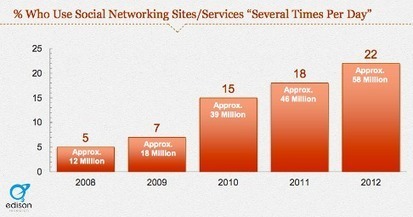

The first step is to gain a clearer image of who your audience is and what they are saying about you. Only then will you be able to create compelling, relevant and valuable content to fuel the social media engine.

(1) Identify and segment your online audience

Your healthcare marketing efforts will be much stronger if you can identify your target market and segment it so that you can tailor your content more specifically for them. Unless you take this first step, your social media marketing activities will remain unfocused. If you can clearly identify your target market, then you can plan the best combination of email marketing, social networking strategies, SEO, Pay Per Click, Banner ads, etc. You are looking to drill down deeper to discover their geographic location, their gender, level of education, family status, which social media sites they use, what conversations they are having online, how they are engaging with you, your competition and your online partners.

(2) Plan your social and digital media channels

Armed with this information you will now be able to plan which social media channels are most suited to your target market and direct your efforts accordingly. For example, if you identify that your audience is predominately female, you might direct some of your healthcare marketing efforts to Pinterest, a site whose rapid growth and success has been driven by women.

(3) Join in the online conversation

There is a support and community group for just about any medical condition or interest online.  To further expand their reach and focus on patient care, these groups need the input of qualified healthcare practitioners to help validate the information discussed on their sites and to ensure balanced views that are in the best interest of patients. Participating in these communities by providing advice, educational podcasts, guest contributions to widely read blogs and websites can help you broadcast your brand and build your reputation, while providing valuable support to the group.

(4) Monitor your online reputation

Consistency, credibility and connection are the cornerstones of maintaining your healthcare brand’s integrity.  It is important to listen to what is being said about your brand, not just to know what is going on and whether you are receiving any negative publicity or comments that need to be addressed, but also to know what you are doing right, so that you can do more of it. At a minimum keep an eye on tweets, comments and messages on your Twitter, blog and Facebook accounts. You should also set up Google Alerts for your brand and industry.

There’s no question that social media is growing in importance in the healthcare field and it is no longer an optional marketing strategy.  The conversation is happening online with or without you, so for the sake of your healthcare brand, join it!

Posted in #HCSM

Top Ten HCSM Articles Of 2012

These were the ten most popular blog posts on  Health Care Social Media Monitor ranked according to page views in 2012.

5 Google Tools To Rock Your Healthcare Marketing

When it comes to Internet dominance, Google is king. So, if you are looking for online tools to rock your healthcare marketing, Google is a smart place to start. Check out this list of free Google tools proven to be effective for social media marketing.

steps2[1]1

4 Essential Steps To Healthcare Social Media Marketing Success

As the Internet increasingly becomes the medium of choice for researching health information, social media has become an important channel for healthcare marketing.  In today’s social media-connected, content marketing rich environment, healthcare marketeers who are not using social media as part of their strategy are missing out.  This post outlines the four essential steps required for successful healthcare  social media marketing.

twit

The Rise Of Patient Communities On Twitter

For over 2 years, Symplur has collected health conversations on Twitter and analyzed them across thousands of variables. The result is produced in this video, a visual representation of   c. 2,000 different health communities or topics.

How To Create a Pinteresting Healthcare Social Media Strategypinterest-pinning-c

How can you leverage the potential of Pinterest for health care social media – particularly given that success on the site is predicated on pinning visually interesting content and blatant marketing is discouraged?  The answer lies in creating a strategy to promote your healthcare brand creatively so that it fits with the network’s user base and vision. Here are 9 ways to leverage the potential of Pinterest for healthcare social media.

Using Social Media To Market And Brand Your Medical Practice

As the Internet has become the medium of choice for researching health information, social media has become an important part of how your medical practice gets found online.  In today’s social media-connected, content marketing rich environment, doctors who are not using social media as part of their marketing strategy are missing out.  This article gives you an overview of why and how you should brand and market your practice online, along with examples of those physicians who are leading the way with social media marketing.

.Med Conference Dublindotmed-300x216

Chaired by Dr. Ronan Kavanagh,the .Med Conference brought together some of the top thinkers and innovators in medicine to speak about how we can harness new technologies to improve the quality of medical care.

Social Media In Healthcare Engagement

Presentation from the Cleveland Clinic on how they have utilized social media to bring in new patients, increase brand awareness, provide education and promote research.

How To Create A Healthcare Infographic

Infographics are valuable tools for healthcare providers to present complex information, educate patients, and brand and market a healthcare service in a creative and visually attractive way. 

The Essential Guide To Twitter

Infographic. Did you know that 11 new Twitter accounts are created every second?  That 175m tweets are generated every day and 69pc of Twitter users determine who to follow based on friends’ suggestions.

A New Breed Of Physicians Engaging With Social Media breed

A new breed of physicians is texting health messages to patients, tracking disease trends on Twitter, identifying medical problems on Facebook pages and communicating with patients through email.