Articles

Posted in #HCSM

Here’s What Happens Every 60 Seconds Online

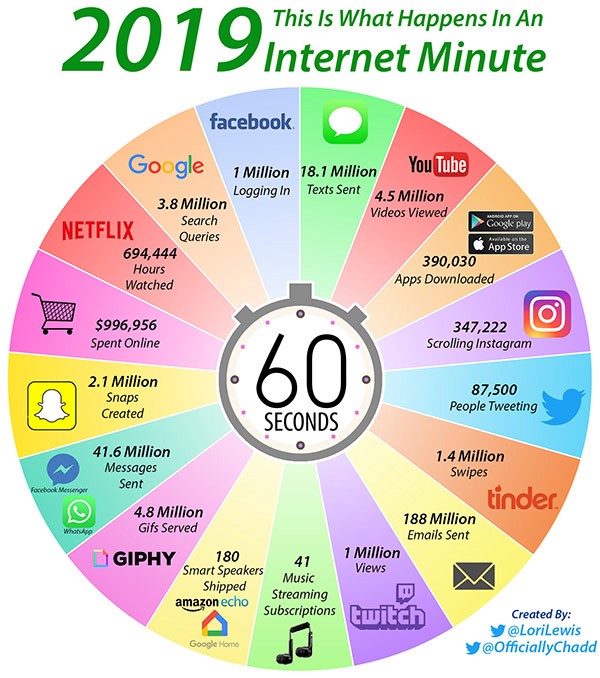
Last year I posted a mesmerizing graphic on just what happens every 60 seconds online.

I was curious to know how that has changed in 2019.

The annual Digital report by HootSuite and We Are Social reveals that in 2019 the average internet user spends are online an average of 6 hours and 42 minutes each day.

The numbers above equate to more than 100 days of online time for an average internet user. That is more than 27 percent each year.

Digital-2019-Global-Overview-Images-v01-Slide-40-Time-Spent-Internet-Total

So what are the world’s 4.4 billion internet users actually doing online for those 6½ hours each day?

As you might expect, Google continues to dominate the rankings of the world’s most visited websites. Every 60 seconds 3.8 million Google searches are performed.

1_ZphBPoLoAWhbuMudPAZ7QQ.jpeg

Actionable Tip: If you want your website to rank higher in Google you have to make sure that you’re using the right keywords. Keyword research is vital because identifying the terms people are searching for will determine the kind of content you create and the way you will optimize it. Click here to learn more.

A staggering 4.5 million videos are watching every minute online.

Video marketing can help you tell your story in a more entertaining, educational and inspiring way so if it’s not already part of your strategy, get on board with video this coming year.

With over 100+ million unique users every month, Amazon-owned Twitch is set to be a huge growth platform in the coming year — and not just for gamers. The channel IRL (In Real Life) has people live streaming everyday things from painting to playing music.

Actionable Tip: Aside from patient education, YouTube is a significant addition to your marketing toolkit. Owned by Google, it’s the second largest search engine in the world with added SEO potential due to its Google connection. Here’s how to create a YouTube channel for your practice.

Facebook continues to dominate with 1 million users logging in every minute.

Despite declining trust and recent data which shows that Facebook’s growth has stalled, at least in the North American and European markets, it still continues to be the most popular social media activity online.

Actionable Tip: If you’re struggling to make an impact on Facebook, then this article is for you. In it, I share some best practice tips to help you increase your organic reach and boost engagement.

You can see there are plenty more insights to glean from this graphic. Use these stats to determine where to focus your social media marketing efforts this year. 

Posted in Cool Tool

Monday Morning Cool Tool: Missinglettr

header-illustration

I love learning about new tools to make social media marketing more creative and effective, so I’ve decided to share some of my favorite tools with you at the start of each week. This week I’m recommending blog promotion tool Missinglettr.

Missinglettr turns each of your blog posts into a 12 month social campaign, which is then dripped out to your social channels.  It creates a whole sequence of social content and branded imagery (fully cropped and optimised for each of your social accounts). Simply review and edit if needed.

You can choose from a default evergreen (6 or 12 months) or blast (2 weeks or 2 months) campaign or create own based on the number of posts, duration and posting days. Over the next 12 months, your campaign content is automatically sent to each of your social profiles, driving traffic back to your site and increasing engagement across your social channels.

Pricing starts at $22 per month, but you can try out Missinglettr with a 30-day trial to see if it’s the right tool for you. 


Posted in #HCSM, Twitter

In Tweets We Trust: Determining The Credibility Of Health Related Tweets

A 2012 paper by researchers from Microsoft and Carnegie Mellon University, “Tweeting Is Believing? Understanding Microblog Credibility Perceptions,”  analyzing how users assess a tweet’s credibility has implications for healthcare researchers, physicians. practitioners and patient advocates on Twitter.

The researchers conducted primary data collection on a variety of Twitter users and also designed experiments using mock tweets to assess the drivers of assessment of credibility. They then ranked which factors lend the most credibility to a tweet, as well as which ones make them less credible.

Some of the key findings regarding users’ perceptions of tweet credibility include:

  • users are poor judges of truthfulness based on content alone and instead, are influenced by heuristics such as user name when making credibility assessments.
  • users represented by the default Twitter icon are perceived as significantly less credible than users with any other type of icon image.
  • a retweet by someone they trust is the biggest factor in increasing credibility

Of the 31 factors determining credibility investigated in the study, the following lists the top 10 factors  (1-5 rating of how much credibility the factor creates, 5 being the highest.)

  1. A retweet from someone you trust (4.08)
  2. Author has verifiable expertise in the subject (4.04)
  3. Author is someone you follow (4.00)
  4. It contains a link to a source (3.93)
  5. Account has a verification seal (3.92)
  6. Author tweets often on the topic (3.74)
  7. There are many other tweets with similar content (3.71)
  8. Author has a personal photo as the user image (3.70)
  9. Author is often mentioned or retweeted (3.69)
  10. Author is geographically near the topic (3.67)

The researchers also analyzed the least credible tweets and found the following factors influenced user perception:

  • Non-standard grammar or punctuation such as abbreviations commonly used in text messaging
  • Author has the default Twitter user image
  • Author has a cartoon or avatar as user image
  • Author is following too many users

What can we learn from this study?

“As users increasingly access tweets through search, they have less information on which to base credibility judgments as compared to consuming content from direct social network connections….In the absence of the ability to distinguish truthfulness from the content alone, people must use other cues.”

Factors perceived as most enhancing a tweet’s credibility generally concerned the author of the tweet. These included author influence (as measured by follower, retweet, and mention counts,  topical expertise (as established through a Twitter homepage bio, history of on topic tweeting, pages outside of Twitter, or having a location relevant to the topic of the tweet), and reputation (whether an author is someone a user follows, has heard of, or who has an official Twitter account verification seal).

Content related features viewed as credibility enhancing were containing a URL leading to a high-quality site, and the existence of other tweets conveying similar information.

Aligning your Twitter profile to these cues will lend more credibility to your tweets.

  • always include a Twitter homepage bio
  • use your real name or one that is closely aligned to the main topic of tweeting
  • use a recognizable icon or a personal image – avoid the default Twitter icon
  • build a large follower base
  • keep tweets focused on a single topic or related topics
  • add a verification seal (Twitter doesn’t accept requests for verification from the general public, but it will verify accounts emanating from universities, research institutions, etc)
  • provide a URL to research, study or high-quality information.
  • always use standard grammar and spelling
  • users tweeting on geographically specific events should update their bio to accurately identify the location

Related Reading: What To Post on Twitter: A Cheat Sheet For Healthcare Tweeters

Posted in Cool Tool

Monday Morning Cool Tool: PickFu

duo-color-pricing-76bfb27b9506e19138c395109dc8c597.jpg

I love learning about new tools to make social media marketing more creative and effective, so I’ve decided to share some of my favorite tools with you at the start of each week. This week I’m recommending a Split Testing tool called PickFu.

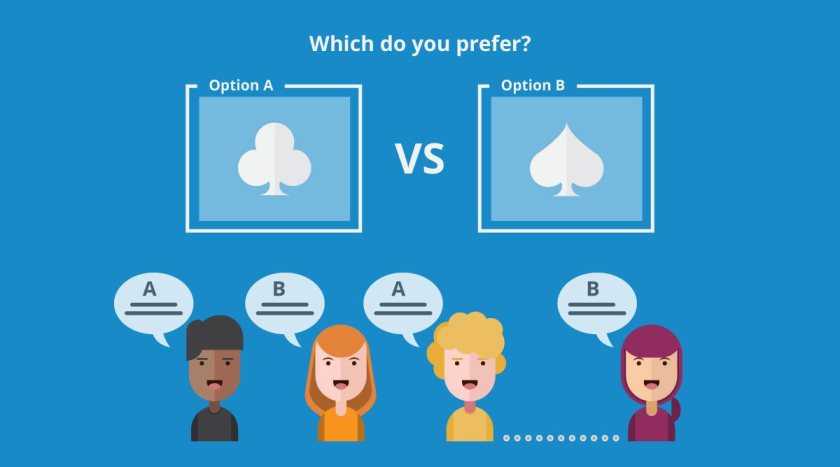
This tool uses polls to give you real-time feedback – an objective third-party point-of-view on your project. You can also use it to slice and dice responses by age, gender, ethnicity, income, education.

Basic polls are simple:

  • ask a question about one or two options
  • get 50 responses from the general population
  • each response includes a vote and written explanation
  • see age and gender of each respondent
  • usually done in 15 minutes or less

With the free plan, you have the simplest features and the results are publicly viewable.  You can upgrade to keep results private and add more features.

Posted in #HCSM

28 Things To Tweet About In March

Maintaining a consistent posting schedule on social media – whether it’s writing blog posts, or sharing updates on social media channels – can be a challenge.

When I teach social media classes, I always recommend creating a social media calendar so you can map out in advance upcoming holidays and cause awareness days.   By doing this, you will have a ready supply of things to share on social media.

To help you plan your content in advance, I’m going to highlight some events happening this month which you can add to your calendar.

See which of the following awareness days you could build engagement around. You could write a blog post, create a video or graphic, and then share it on Twitter and Instagram with the relevant hashtag.

Have some fun with these – but do make sure whatever you create and share fits with your brand!

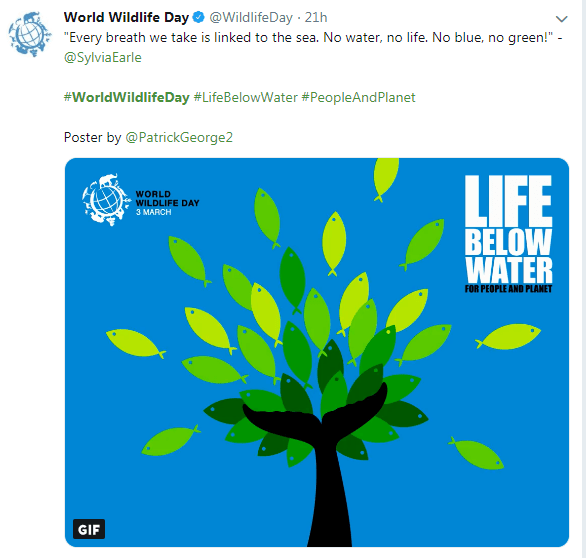
March 3. Sunday, World Wildlife Day #WorldWildlifeDay

download - 2019-03-02T095258.717

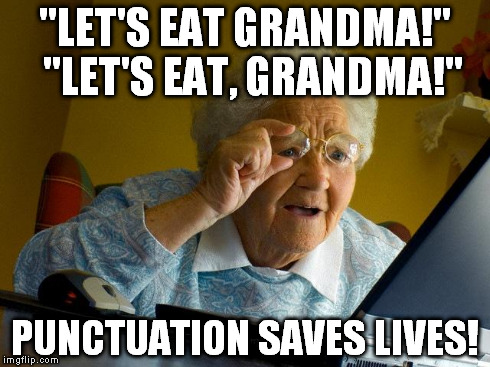
March 4. Monday, National Grammar Day #GrammarDay

Image result for eat grandma meme

March 5. Tuesday, National Pancake Day #PancakeDay

pancakes

March 5. Tuesday, Mardi Gras #MardiGras

mardi_gras_web-1

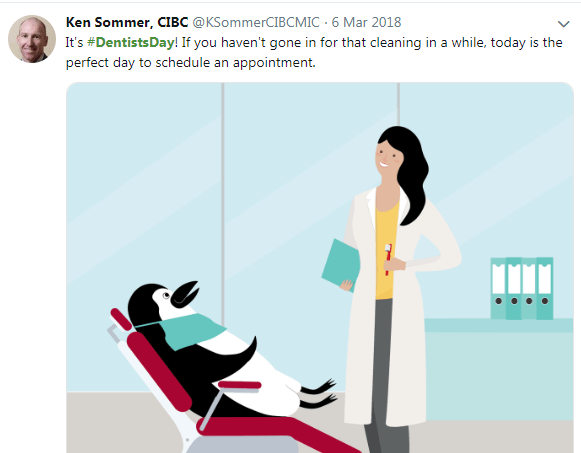
March 6. Wednesday, Dentist’s Day #DentistsDay

dentist_cartoon

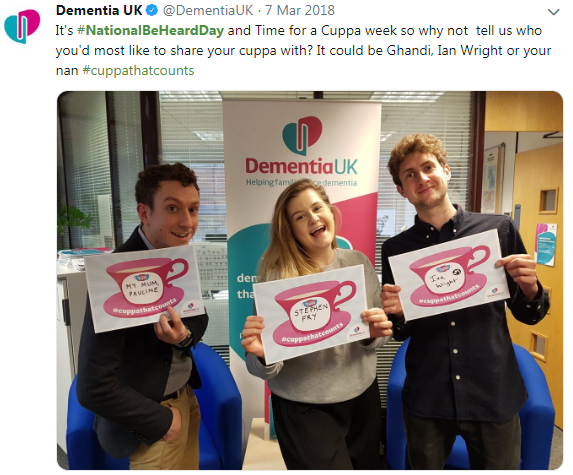
March 7. Thursday, National Be Heard Day #NationalBeHeardDay

dementia_awareness

March 8. Friday, International Women’s Day #BeBoldForChange

International-Womens-Day-logo

March 8. Friday, National Proofreading Day #NationalProofreadingDay

C6XMUW1WYAEHeBq

March 8. Friday, Day of Unplugging #NationalDayOfUnplugging

D0l-HfMWoAMh3O3

March 10. Sunday, Pack Your Lunch Day #NationalPackYourLunchDay

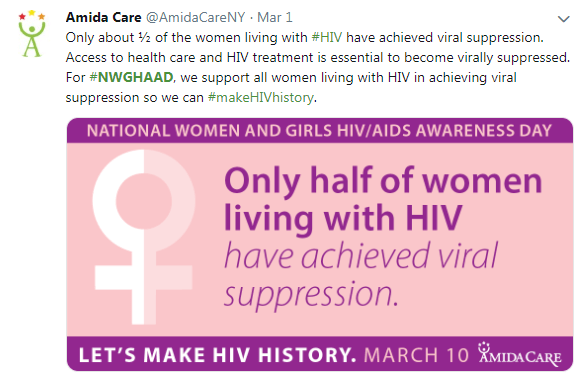
March 10. Sunday, National Women and Girls HIV/AIDS Awareness Day#NWGHAAD

download - 2019-03-02T183427.101

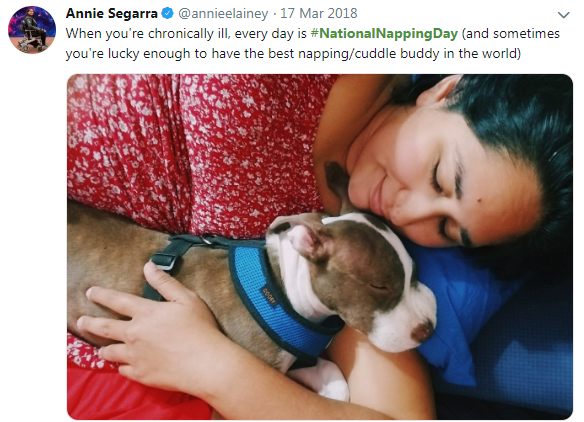
March 11. Monday, National Napping Day #NationalNappingDay

download - 2019-03-02T183700.268

March 14. Thursday, Popcorn Lover’s Day #PopcornLoversDay

March 14. Thursday, Pi Day #PiDay

(To go the extra mile, post this at 1:59, as Pi equals 3.14159…)

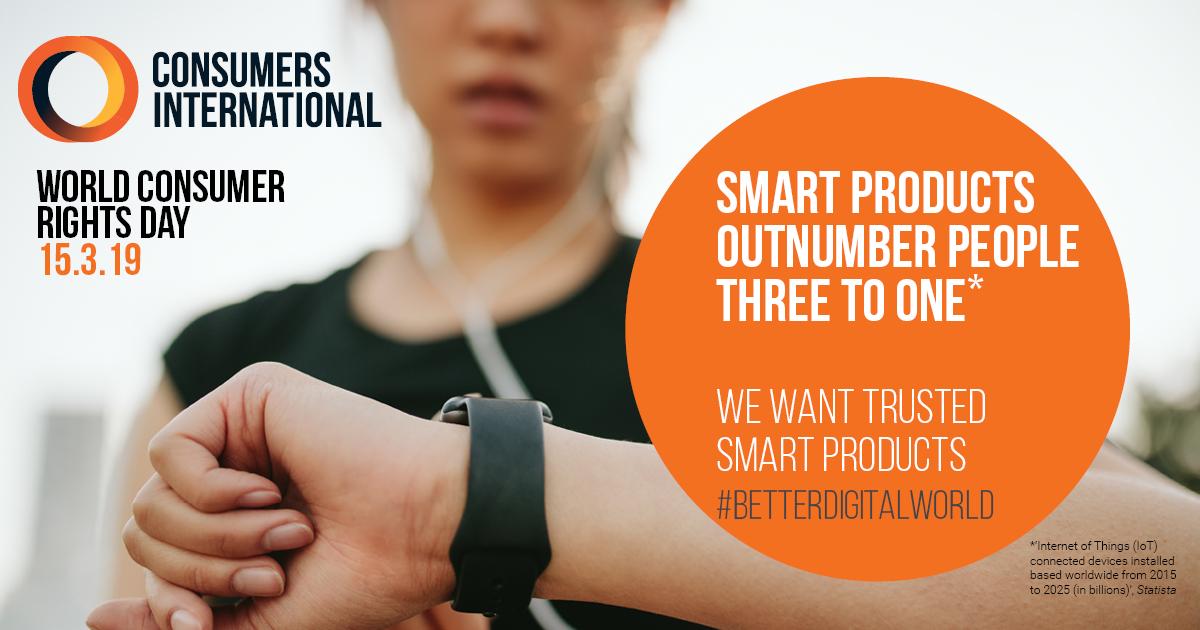
March 15. Friday, World Consumer Rights Day #WCRD2019

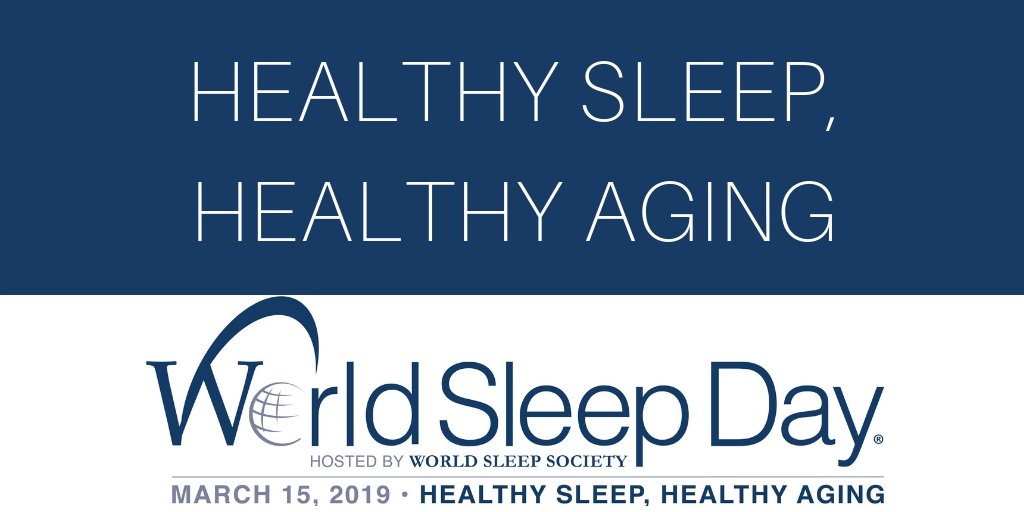
March 15. Friday, World Sleep Day #WorldSleepDay

March 17. Sunday, St. Patrick’s Day #StPatricksDay

Image result for patricks day

March 19. Tuesday, National Let’s Laugh Day #NationalLetsLaughDay

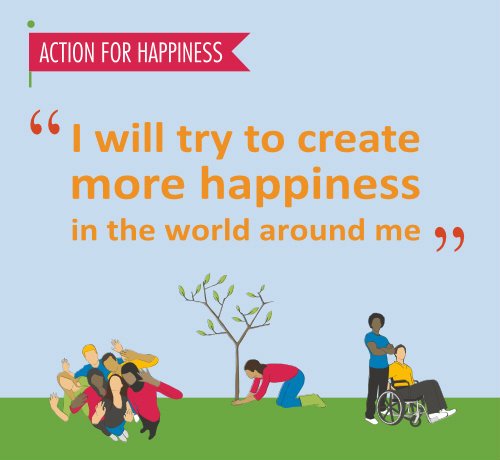
March 20. Wednesday, International Day of Happiness#InternationalDayofHappiness

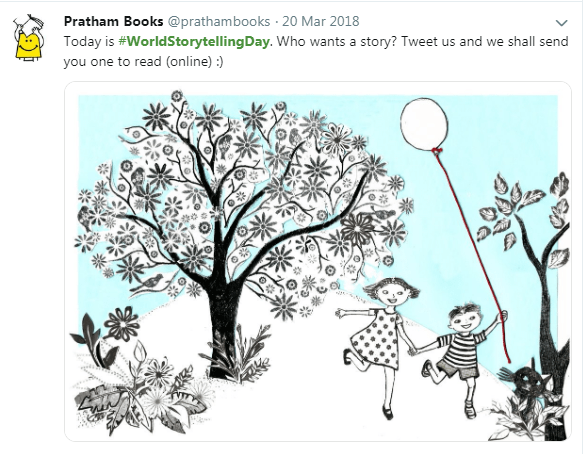
March 20. Wednesday, World Storytelling Day #WorldStorytellingDay

download - 2019-03-02T185022.334

March 21. Thursday, World Poetry Day #WorldPoetryDay

download - 2019-03-02T185410.693

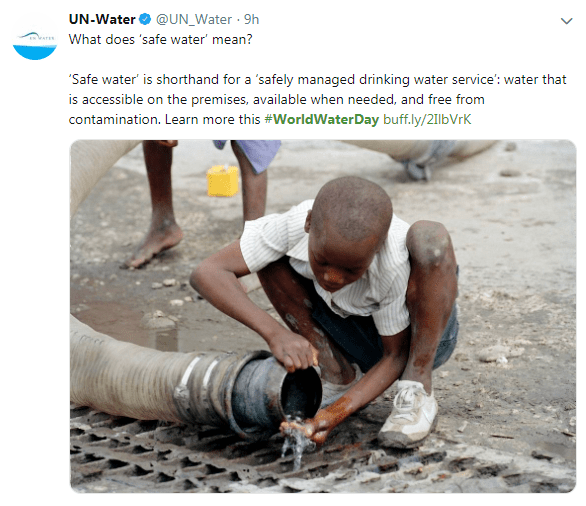
Mach 22: Friday, World Water Day #WorldWaterDay

download - 2019-03-02T185545.161

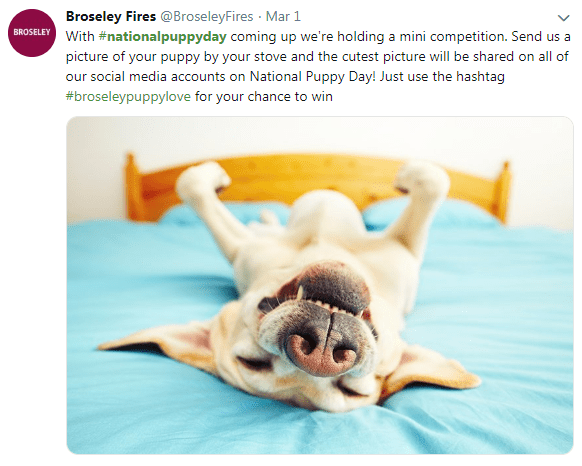
March 23. Saturday, National Puppy Day #NationalPuppyDay

download - 2019-03-02T185652.543

March 26. Tuesday, National Spinach Day #NationalSpinachDay

download - 2019-03-26T083806.214

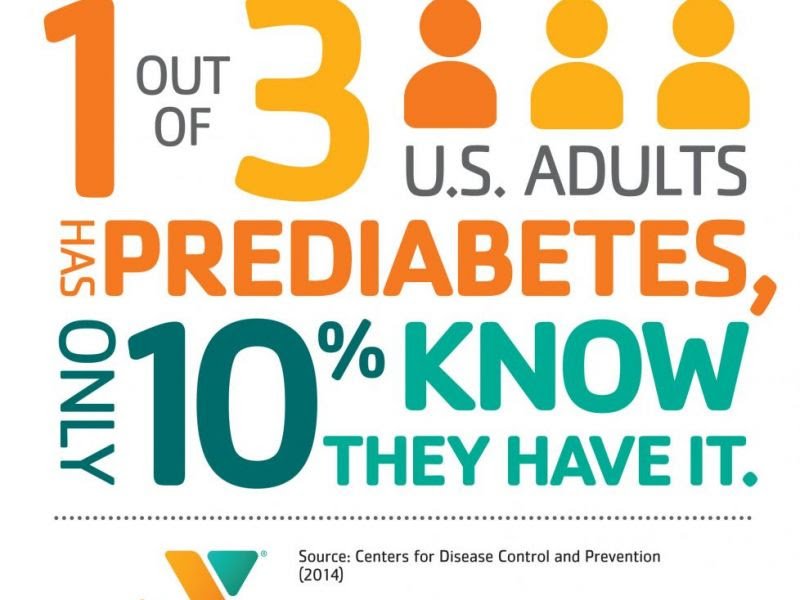
March 26. Tuesday, American Diabetes Association Alert Day#AmericanDiabetesAssociationAlertDay


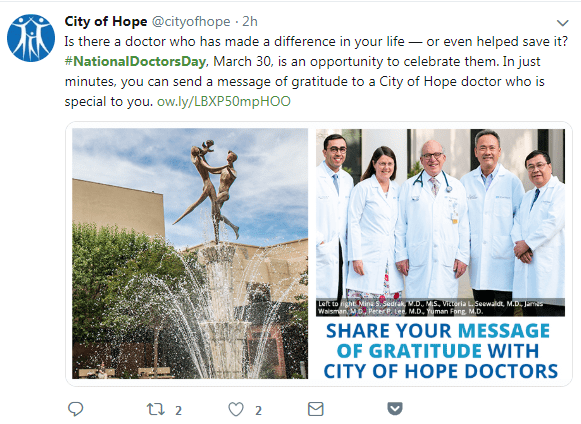
March 30. Saturday, Doctor’s Day #NationalDoctorsDay

download - 2019-03-02T190027.021

March 30. Saturday, Earth Hour Day #EarthHour

download - 2019-03-02T190226.561

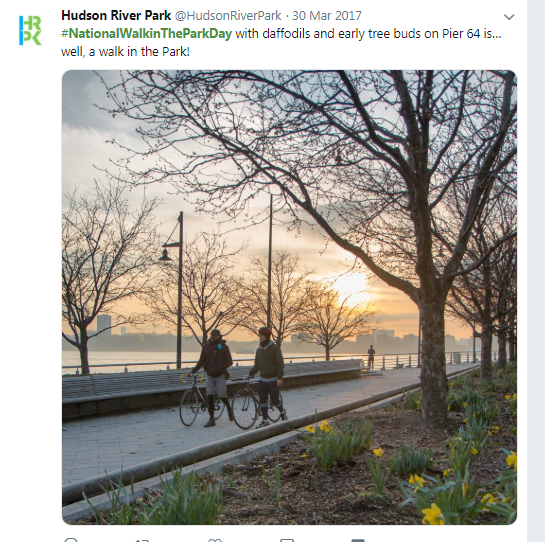
March 30. Saturday, National Take a Walk in the Park Day#NationalWalkInTheParkDay

download - 2019-03-02T190650.141

I feel sure you’ll find something to share on one or more of these days. Tag me on Twitter @JBBC if you do – I’d love to see what you come up with. 

Posted in Cool Tool

Monday Morning Cool Tool: GTmetrix

I love learning about new tools to make social media marketing more creative and effective, so I’ve decided to share some of my favorite tools with you at the start of each week. This week I’m recommending website speed test tool –  GTmetrix.

features-home-screenshot

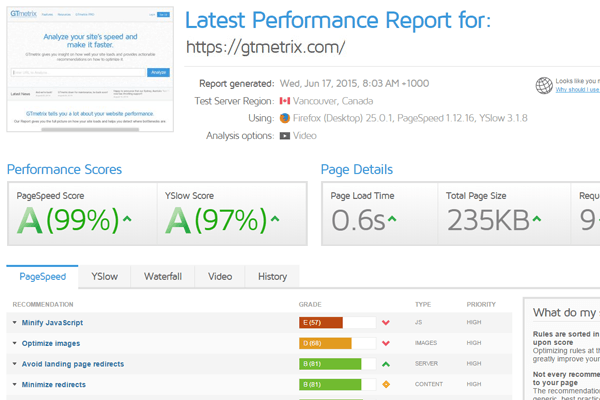
GTmetrix has a suite of features and options to make optimizing your website clear and easy. It gives you insight on how well your site loads and provides actionable recommendations on how to optimize it. You can also use the tool to analyze the page load of your site from 28 servers in 7 different regions around the world.

How fast your website loads is critical – a good site will load in 2 seconds. Research shows that a single second delay in site load time can reduce your conversions by 7 percent. If your site is taking longer than that, consider that around 40% of people will leave a website if it doesn’t load in 3 seconds.

The faster your site, the better. Google announced back in July 2018, page speed will be a ranking factor for mobile searches too.

Visit https://gtmetrix.com to try out this tool’s features.


Posted in Cool Tool

Monday Morning Cool Tool: Display Purposes

I love learning about new tools to make social media marketing more creative and effective, so I’ve decided to share some of my favorite tools with you at the start of each week. This week I’m recommending a tool called Display Purposes which helps you find the best hashtags to use on social media.

The tool is particularly helpful for Instagram, where hashtags are how people find your content.

So simple to use, and really effective. Here’s how it works when I add “Monday” to the search bar.

download

On Instagram you should aim to use a mix of popular hashtags (which many people browse), and less popular hashtags that you stand a chance of getting a spot in “Top” for. The tool is very useful for this as it returns the search results in order of descending popularity.

And something really super-cool, I can zoom in on my local region to gauge the popularity of the hashtag.

download

You might like to check out this new report which looks at the latest Instagram best practices, including hashtag use. 


Posted in social spotlight

Social Spotlight: Nora Cutcliffe (Part 2)

Welcome to the second part of my interview with BioPharma Consultant, Dr Nora Cutcliffe.

In Part 1, I spoke with Nora about the role social media plays in her work and she shared some super tips on getting the most out of Twitter and LinkedIn. In today’s interview, we pick up our conversation again.


Hi, Nora, I’m excited to learn more about how you use social media in your work. Can you tell us which topics hold your interest online?

NC: On Twitter, I try to stay focused on topics related to pharmacy-based immunization, i.e. within the ‘common ground’ of the 2 circles/fields I described in Part 1 of this interview. For example, if I see a detailed report on the future of pharmacy, I check to see if immunization is mentioned. Or if I come across a new update on immunization practice, I try to confirm if the role of pharmacists is acknowledged. If yes, then I’ll tweet about the topline conclusion(s), but if not, I may ask the organization, “Why not?”, i.e. by Twitter, private email, or other means – perhaps in person at a conference.

Nora, this is such an important step – and not one everybody takes. If, as healthcare communicators, we are to build our credibility and trustworthiness we should always check our sources before we share or re-share them. Tell us more about the next step once you’ve established credibility.

NC: Recently, I’ve been pleased to notice a new trend for continuing education (CME) modules, in that CME immunization topics are include pharmacists on their panel of key opinion leaders (KOLs), alongside physicians and nurses (e.g. via @mdBriefCase). Other CMEs are also being  created specifically by and for pharmacists on vaccine topics (e.g. via @PharmacyU). I like to share these on Twitter too, since many PAI and other immunizers might not otherwise know such cross-functional resources exist.

Slide1.JPG

For a newly published report or CME, my usual approach is to ask: “Which organization needs this info and/or would be proud to RT this to followers (since it casts them in a positive light)?” Then I re-direct the piece to the association(s) at their Twitter handle(s), i.e. as a pre-packaged gift, if you will. Sometimes I tactfully add additional or more current resources in an attempt to achieve a win-win-win outcome – i.e. for the initial tweeting organization, for the group posting the Retweet (RT), and for myself, as I gain credibility as a specialist who is able to connect the dots. I also like to cross-pollinate by tweeting updates from Canada, US, EU, and AU, i.e. to provide for broader context for international experts with an interest in the field of Pharmacists-As-Immunizers.

download

Even within Canada, where each of our 13 jurisdictions has a different scope of pharmacy practice, along with variation in immunization recommendations and/or funding, I find there is significant engagement for tweets that summarize local (provincial/territorial) and national data.

Again another important step Nora. The wonderful thing about Twitter is that it’s a global conversation – it’s important that we acknowledge this in our work. Learning from others and sharing best practice is critical. Do you think organizations are doing enough in this area?

NC: A key observation I’ve made is that several organizations in health care (particularly including public health associations that oversee immunization) appear to handle their social media (SM) activities with very limited budgets and/or staffing. Many such associations may tweet only 1-2 times per week. In these cases, account administrators may be actively looking for relevant content to RT (to help keep their feed alive) and may tend to be more receptive to retweeting general news updates. At the other extreme, some other Twitter accounts may only post their own association materials, according to a pre-scheduled calendar, and might not post RTs of any kind. However, it appears that most accounts will post RTs to supplement their own tweets, and these accounts typically have greater engagement with followers overall.

This is something I’ve seen repeated across many organizations and it’s so interesting that you’ve observed it and stepped into the breach. Have you observed anything else when organizations use social media to disseminate key information?

NC: Another phenomenon related to scarce resources is that some organizations tend to send out email blasts, but do not simultaneously post the same info on their existing Twitter accounts (or ditto for LinkedIn). In these cases, it’s easy for me to repackage the info from an email notice into a tweet which can then be readily sent as an RT from an official/association Twitter account, again gaining visibility for both of us. It’s surprising how many such gaps exist, even just considering my own daily email alerts, so I see this as an excellent opportunity for me to leverage resources by helping such organizations reach a broader audience.

You’ve clearly demonstrated your social media savvy and one of the things that strike me most forcibly about you is how you are so thorough in your approach to social media. For someone who is newly starting out on this path, what advice would you offer to them?

NC: Thanks Marie!I think the most valuable learning approach is to identify a few SM ‘gurus’ in your specific area and follow them as gold standards for your own practice. By paying close attention to the nature of individual posts and replies, there is so much to absorb and apply.

For me, several leaders and/or organizations jump to mind when I think of who is rocking SM, at least on Twitter, both in Canada and abroad (and considering 3 different content streams):

That’s a great mix – tell us some more about why you chose these leaders.

NC: It’s readily apparent that these top influencers have several skills and approaches in common; they demonstrate knowledge, resourcefulness, and enthusiasm, while also expressing gratitude, courtesy and a personal touch in their individual replies – all of which encourage engagement and greater sharing among followers. So I believe these are essential elements of a winning formula for SM leaders.

Absolutely! Any other suggestions for social media newbies?

NC: Apart from following experts, I would also suggest attending a live workshop in your local area on at least one SM platform of interest. For me, it was very reassuring to learn during (or after) the main presentations that others had similar questions to get off the ground, or that even those with significant experience had more advanced questions that allowed me to take a test-drive on the road ahead.

That’s a super point Nora. I know from my own experience way back when I started I was afraid to ask many questions for fear of appearing stupid. I thought everyone who was using social media had it sussed. It’s easy to forget that we all had to start from scratch at some stage.  Any other tips to share?

NC: To look at a few simple mechanical tips (for Twitter), I would suggest the following:

  • Aim to include a graphic or video with as many tweets as possible.
    • A super-easy way to begin is with an image from a Google search (or other source of free stock photos, as recommended by @JBBC), and then copy this image into Powerpoint by creating a single slide in ppt format. Then, convert/save this to jpeg format to post on Twitter. This allows you to add eye-catching borders, which you can customize to create a signature look for your brand. Even better, Powerpoint allows you to insert additional text (in a text box), so you can extend your message well beyond 280 characters. A font size of at least 24 (in ppt) seems to work well for the final tweeted image, e.g. as viewed on a mobile phone.
  • In cases where you would normally send out a quick RT, consider the option to “RT with comment”, which allows you to add your opinion, set the tweet into context for your specific audience, and/or send it directly to another follower (so they receive a notification) by inserting their Twitter handle.
    • In your own comment, avoid repeating the same headline or text from the original tweet, but insert new wording to add relevant detail. In this way, you can provide further ‘bait’ for followers to open and read the original tweet, and to understand your take on the story.
    • If urls are included in the original tweet, I like to open the link(s) to read the full story, and potentially get a quote. Where possible, I try to directly acknowledge the relevant expert (or author and/or publisher) by looking up their Twitter handles (using the Twitter search function), so I would end up with some of the following pieces in the comment for the RT: “text text text @expert @author @publisher @organization #hashtag #hashtag”. This allows these folks to see that you are promoting your work, so they are much more likely to engage with your subsequent content in terms of follows/likes/RTs.
  • To save characters in your tweet (i.e. to claim more ‘real estate’ for critical text/hashtags/handles), be sure to use https://bitly.com/ or some other URL shortener to condense URL links.

This has been a fascinating interview – I’ve even learned a thing or two from you! So I like to finish these interviews by asking folks to share a favourite quote. Do you have one you’d like to share with us?

NC: In my case, I’ve made very gradual progress with SM over the past few years, with lots of upside potential still ahead. So the following quotes really resonate with me, particularly since trial-and-error can be the best teacher, and since the goal of ‘conquering’ SM continues to be a moving target. Also, it’s fascinating that while these quotes were penned long ago, they are still remarkably applicable in our modern-day digital world!

The secret of getting ahead is getting started. (Samuel Clemens, better known as Mark Twain, born 1835)

You don’t have to have it all figured out to move forward. Just take your next step. (Unknown)

The expert in anything was once a beginner. (Helen Hayes, Actress, born 1900)

And for final inspiration, if I may, here’s one last quote that popped up on Twitter as I’ve been wrapping up my thoughts – must have been Karma!

If you never stop LEARNING you’ll never stop EARNING. (tweeted by @jerryacuff Jan. 19, 2019.

That’s a perfect quote to end our interview on – in social media we never stop learning and that’s what I find most rewarding about working in this space. Thanks so much Nora for sharing your insight with us – this has been a super interview.

You can follow Nora on Twitter @NoraCutcliffe and connect with her on LinkedIn.


This post is part of an ongoing conversation that explores how patients, healthcare professionals, and researchers use social media to communicate their work. For more interviews, click here

Posted in #HCSM

21 Things To Tweet About In February

Maintaining a consistent posting schedule on social media – whether it’s writing blog posts, or sharing updates on social media channels – can be a challenge.

When I teach social media classes, I always recommend creating a social media calendar so you can map out in advance upcoming holidays and cause awareness days.   By doing this, you will have a ready supply of things to share on social media.

To help you plan your content in advance, I’m going to highlight some events happening this month which you can add to your calendar.

See which of the following awareness days you could build engagement around. You could write a blog post, create a video or graphic, and then share it on Twitter and Instagram with the relevant hashtag.

Have some fun with these – but do make sure whatever you create and share fits with your brand!

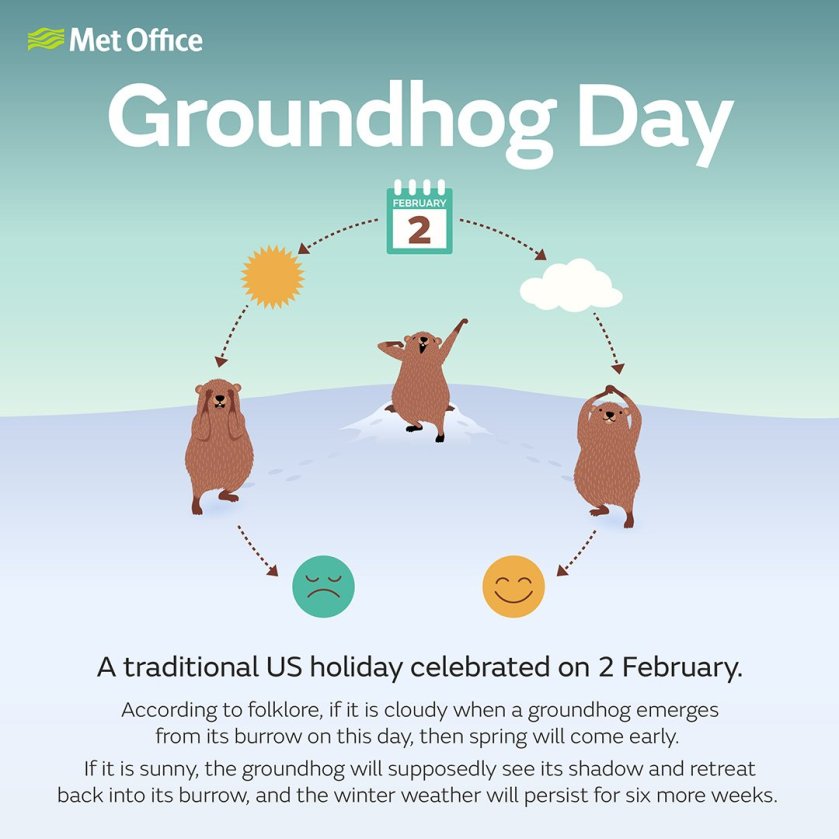
Feb 2. Saturday, Groundhog Day #GroundhogDay

DyYrUvXXQAEaqqo

Feb 3. Sunday, Super Bowl LIII #SBLIII

download

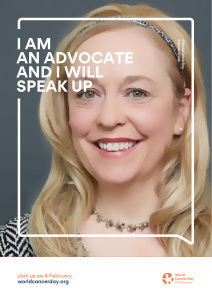
Feb 4. Monday, World Cancer Day #WorldCancerDay

poster

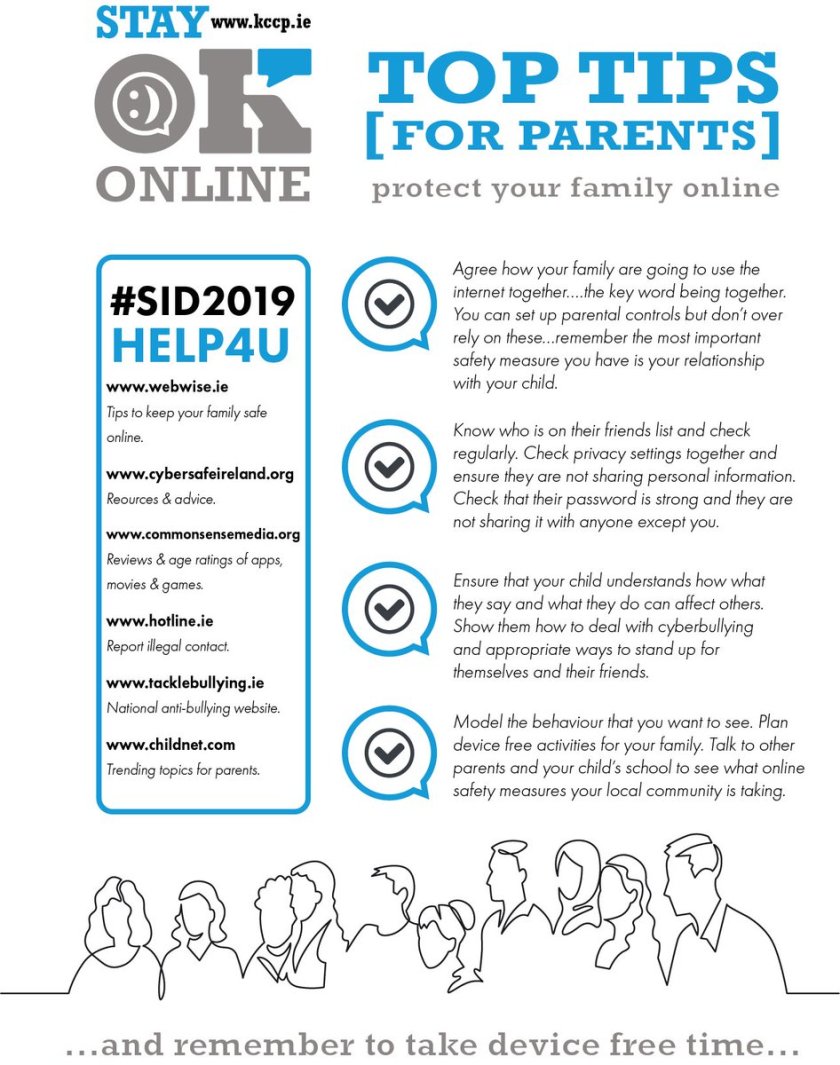
Feb 5. Tuesday, Safer Internet Day #SID2019

DyodbqYXgAcP8E0.jpg

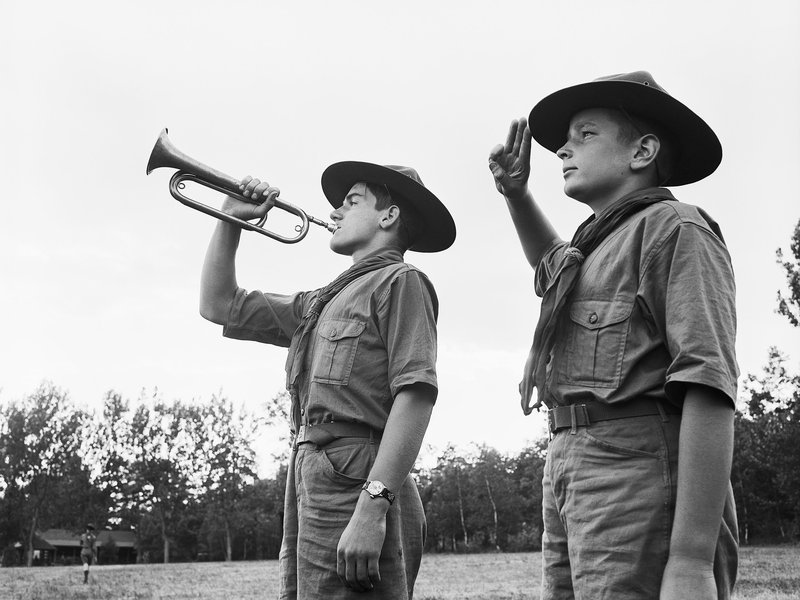
Feb 8. Friday, National Boy Scouts Day #BoyScoutsDay

CatHWEKW0AAdrgP

Feb 9. Saturday, National Pizza Day #NationalPizzaDay

DyRX1FgX4AAllDJ

Feb 11. Monday, Inventors Day #InventorsDay

DK3HPhzVAAY40hK

Feb 13. Wednesday, World Radio Day #WorldRadioDay

Dxsk6R_X4AEdGaA

Feb 14. Thursday, Valentine’s Day #ValentinesDay

DyUMTozXgAAfU_x

Feb 17. Sunday, Random Acts of Kindness Day #RandomActsOfKindnessDay

CbeovjYUUAACw9M

Feb 18. 18. Monday, Presidents Day #PresidentsDay

DyWFAu4WoAEEN7V

Feb 20. Wednesday, World Day of Social Justice #SocialJusticeDay

DWfnARKV4AEg10O (1)

Feb 20. Wednesday, Love Your Pet Day #LoveYourPetDay

DyA8NdiXgAEtYwx

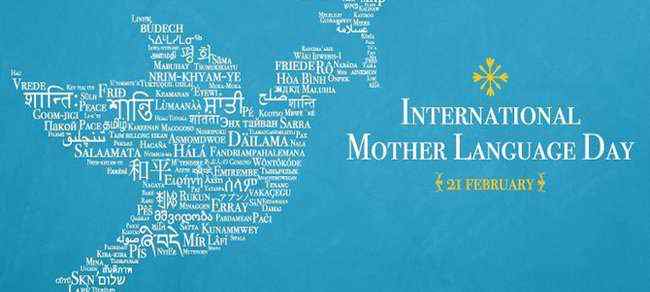
21. Thursday, International Mother Language Day #IMLD

C5GF99nXUAEKNpt (1)

I feel sure you’ll find something to share on one or more of these days. Tag me on Twitter @JBBC if you do – I’d love to see what you come up with. 

Posted in #HCSM

Study Uncovers Motivations Behind #BreastCancer Conversations on Twitter

In the era of big data, the presence of cancer in social media is undeniable. 

Last October at the European Society for Medical Oncology (ESMO) 2018 Congress, a group of researchers from Spain presented findings on how Twiter users talk about breast cancer on the social media platform.

Study author Dr. Rodrigo Sánchez-Bayona of Clinica Universidad de Navarra in Pamplona, Spain, said: “Many of the patients we see in daily practice use social media to search for information about their disease, so, as care providers, we wanted to know what kind of content they find there. At the same time, the sheer volume of posts on Twitter represents a rich pool of data we can use to assess attitudes and discourses surrounding cancer.”

Twitter is one of the biggest networks worldwide, therefore, it establishes an enormous real-world data field of interest when studying health issues.

The study involved analyzing all tweets posted with the hashtag #BreastCancer over a 7-day period, grouped into four subthemes: diagnosis, treatment, prognosis and prevention.

The data collected included 3,703 original tweets and 2,638 retweets.

The most frequent motive was patients sharing their experiences, followed closely by patient advocacy. The most common subtheme by far was prevention (44.5% of tweets)

“When examining the original tweets, we found that only one in three had medical content,” said Sánchez-Bayona. “However, 90% of this medical information was appropriate, which is likely owed to the fact that 40% of tweets came from institutions and public accounts.”

Classification of Tweets

A total of 1,137 tweets (30.7%) contained content relating to a patient’s experience, while 96 tweets (2.6%) contained an experience from the perspective of a relative of a patient.

Sixty percent of tweets came from private accounts, while 40% came from institutions or public accounts.

The aims of tweets included scientific (17.3%), advertising (15.8%), fundraising (8.3%), and patient advocacy (25.3%).

Breast-cancer-patients-use-Twitter-as-a-non-medical-forum-to-share-their-experiences.jpg
Description of tweets (%) containing #BreastCancer in a 7-day period

Leveraging A New Social Media Reality

Commenting on the study, Marina Garassino, MD, of Istituto Nazionale dei Tumori in Milan, noted the presence of patients in large numbers on Twitter. “We should take that as corroboration of a new reality,” she said.

Patients now use the web to find information, and social media must be an integral part of our communication with them. Academic institutions and key opinion leaders need to be even more active in spreading their findings through these channels to counteract the many ‘fake news’ circulating online.

Dr. Evandro de Azambuja, ESMO Executive Board member, further commented: “Healthcare professionals and organisations really need to use appropriate social media as a way of sharing relevant information – both between them and with patients – because that is where it has the potential to be picked up fastest and most broadly.”

When it comes to bringing the best evidence available in cancer research to the attention of as many people as possible, this platform is as powerful a tool as it gets.

Conclusions

The authors noted that this was part of a larger study on discussion of diseases more generally on social media, in which they found that cancer was the most mentioned pathology on Twitter around the world.

The results of the study may be useful in assisting advocacy organisations to provide information about resources, support and raise awareness.

In particular, advocacy organizations can draw on them to create relevant medical content and counseling about cancer that will be more accessible to patients already using Twitter for information and support.